Hey, you. Yes, you with the ice cube tray. Ever wonder how fast water really freezes? You’re about to find out, and it’s way weirder than you think.
The Simple Answer? It’s a Trap!
You might guess “at 32°F.” That’s sort of right, but mostly wrong. Water is a dramatic overachiever. It often refuses to freeze at 32°F without a little nudge.
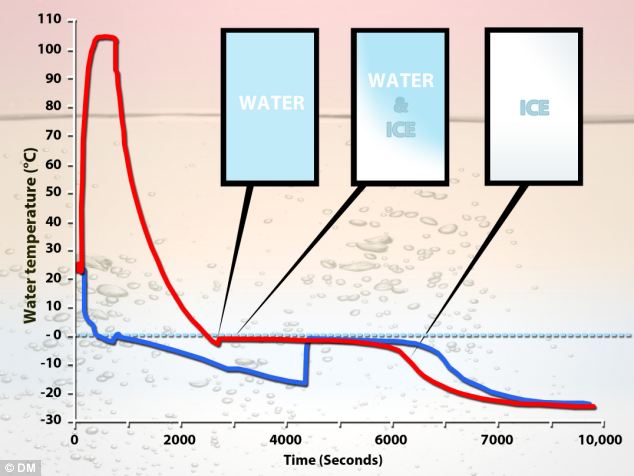
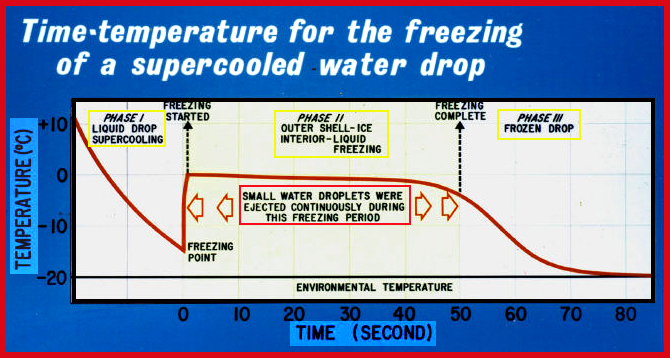
Pure water can chill to -40°F and still stay liquid. That’s called supercooling. It’s like water pretending to be tough, but one bad vibration ruins the act.
Must Read
Why Your Ice Cubes Are Liars
Your freezer ice cubes freeze in about two to four hours. That’s the boring, normal speed. But do a little research, and you’ll find water can freeze in seconds.
It’s all about the “seed” crystal. When water hits a scratch or a speck of dust, the whole party changes instantly. That’s why a shaken soda can freezes solid the moment you open it on a frigid day. Pop goes the slushy!
The Mpemba Effect: Hot Water Freezes Faster?
Here’s where things get loony. In the 1960s, a Tanzanian student named Erasto Mpemba noticed his hot ice cream mix froze faster than the cold stuff. He was right, and it still baffles scientists.
Hot water can freeze faster than cold water. Yes, you read that correctly. It’s called the Mpemba Effect, and nobody has a perfect explanation. Some say it’s because hot liquid evaporates faster, losing mass. Others blame weird convection currents. It’s a physics mystery you can show off at parties.
Pro tip: try it with two identical cups. One hot, one cold. Watch the hot one turn to ice first. Your friends will think you’re a wizard. Let them.
 Water Freezing
What About Boiling Water in Midair?
Ever seen those videos where someone throws boiling water into -40°F air? It doesn’t freeze in one second. It freezes in less than one second. That white plume isn’t steam; it’s a cloud of micro-ice crystals.
The hot water explodes into tiny droplets. Each droplet is so small it loses heat almost instantly. It’s like a thousand tiny ice comets screaming through the air. Don’t try this inside your house unless you want a frozen ceiling and a very angry partner.
The Speed of Salt vs. Sugar
Impurities change everything. Pure water freezes at 32°F, but seawater freezes at about 28.4°F. That’s why your mom’s pasta water takes forever to boil and forever to freeze. Salt molecules interrupt the ice crystal party.
Sugar does the same thing. It makes water “thick” and lazy to freeze. That’s why ice cream stays scoopable at freezer temps. Want to speed up freezing? Use distilled water. It’s pure, boring, and turns to ice obediently.
The Shape of the Container Matters
Water in a shallow pan freezes way faster than in a deep bottle. Surface area is key. The more water touches cold air, the quicker it gives up its heat. That’s why a thin sheet of ice forms on a puddle in minutes, but a lake takes days.
And here’s a weird fact: a perfectly round droplet freezes slower than a flat one. Spheres have the least surface area. So if you want a fast-freeze experiment, use a flat tray. If you want drama, use a sphere. Choose wisely.
 Freezing Temperature Of Water
Can You Freeze Water Instantly?
With a high-tech gadget called a “supercooler,” you can. These machines blast water to -10°F without letting it freeze. Then, you tap the bottle, and boom—it turns to slush in your hand. It’s like a magic trick you can buy on Amazon.
You can also do it with a plastic water bottle and a freezer. Leave it for two and a half hours (check every 15 minutes). When you see a tiny ice shard form, gently pour it over a glass. The water will cascade into a instant ice sculpture. It’s pure chemistry theater.
Why This Matters (Even If You Don’t Care About Ice)
Understanding freezing speed helps with making better cocktails, keeping pipes from bursting, and predicting weather. Seriously, meteorologists study this to know when roads will turn into skating rinks.
Also, it’s just fun. You can geek out over a frosty mug. Next time you see a frozen leaf, remember: that water was a drama queen. It waited, it hesitated, then it committed to being solid in a flash.
So, How Fast Will Water Freeze?
The honest answer? It depends. Depends on temperature, purity, container, and whether you believe in hot-water miracles. But generally, in a typical freezer, expect two to four hours for cubes. In Arctic air, a thin film freezes in seconds. And in a supercooler? Instantly.
Now go freeze something. Impress your friends. Break the rules. Just remember: water is always ready to surprise you. It’s never too cold to be curious.