
Have you ever stared at a bag of all-purpose flour and wondered, “Who are you, really?” You use it for cookies, pizza dough, and pancakes—but do you know how it gets that soft, white, powdery perfection? It’s time to pull back the curtain on this kitchen superstar. Because once you know its journey, you’ll never look at that bag the same way again.
It all starts in a field—yes, a real field.
All-purpose flour begins as wheat, specifically a blend of hard and soft wheat varieties. Why the blend? Hard wheat gives you strong gluten for chewy bread, while soft wheat makes tender cakes. By mixing them, millers create a flour that’s a jack-of-all-trades—hence the name “all-purpose.”
Farmers harvest the wheat when it’s golden and dry, usually in summer. The grains are then cleaned—think of a giant, industrial shower for wheat, removing dust, stones, and stray bits of straw. You don’t want chaff in your chocolate chip cookies, right? Exactly.
Must Read
The magic of the mill: from berry to powder.
Once the wheat is clean, it’s time for the roller mill—a series of heavy steel rollers that crush and separate the grain. The wheat berry has three parts: the bran (the outer shell), the germ (the tiny embryo), and the endosperm (the starchy middle). For all-purpose flour, we mostly want the endosperm.
The rollers crack the grain, and sifters sort the pieces by size. This happens up to five or six times, grinding finer and finer. It’s like a giant, mechanical gold rush—except we’re mining for starch, not gold. The bran and germ are set aside for things like whole-wheat flour or animal feed.
After milling, the fine powder is bleached in some cases (using a small amount of chlorine or benzoyl peroxide) to make it whiter and improve its baking performance. Unbleached flour skips this step and ages naturally. Both work, but bleached flour gives you fluffier cakes; unbleached? A heartier texture.
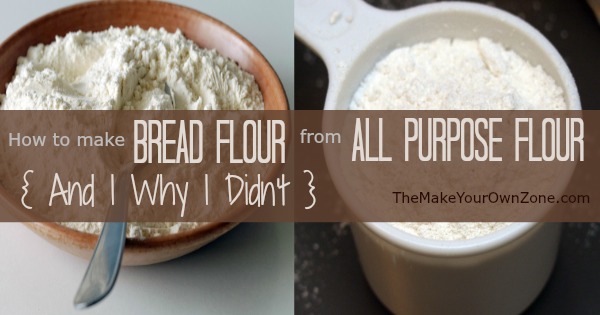 How To Make Bread Flour from All Purpose Flour {and why I didn't}
Wait—is it really “all-purpose”?
Let’s be honest: it’s almost all-purpose. Its protein content (about 10–12%) is a Goldilocks zone—not too high for fragile pastries, not too low for stretchy breads. It’s the Swiss Army knife of flours. You can use it to thicken gravy, coat chicken for frying, or make a roux for gumbo.
But here’s the fun part: once you understand how flour is made, you can play with it. Want chewier bagels? Add a little bread flour. Want melt-in-your-mouth shortbread? Replace a third of the all-purpose with cake flour. You’re not just following recipes anymore—you’re a flour whisperer.
A quick stop at the bagging plant.
Before it hits your grocery store, the flour is enriched. That means nutrients lost during milling (like iron and B vitamins) are added back. Government regulations in many countries require this, because flour is a staple food. Then, it’s bagged into those familiar 5-pound sacks, sealed airtight, and shipped out.
Think about it: every time you open a bag, you’re unleashing the labor of hundreds of farmers, millers, and truck drivers. That puff of white dust? That’s their teamwork, right in your kitchen.
 How To Make AP (All-Purpose) Flour From Fresh Milled Flour - Grains In
Why this matters (beyond the perfect pie crust).
Knowing how flour is made makes you feel connected to your food. It’s not just a commodity; it’s a transformation of a living plant, passed through human ingenuity. Next time you’re kneading dough, imagine the wheat swaying in a prairie breeze. Pretty cool, right?
It also makes cooking more playful. You can now read a recipe and think, “Ah, they want a chewy outcome, so I’ll use a higher-protein flour.” You’re not just following orders—you’re creating.
Let’s get you inspired.
So here’s your challenge: this week, buy a bag of all-purpose flour and make something you’ve never tried before. Maybe homemade pasta, or a sourdough starter, or even a simple batch of flour tortillas. As you work with it, remember the roller mills, the sifters, and the farmers who made it possible.
And smile, because you now know its secret origin story. Flour isn’t just a powder—it’s a bridge between the earth and your oven. So grab that bag, tie on your apron, and let the magic happen. You’ve got this—one fluffy, delicious bite at a time.