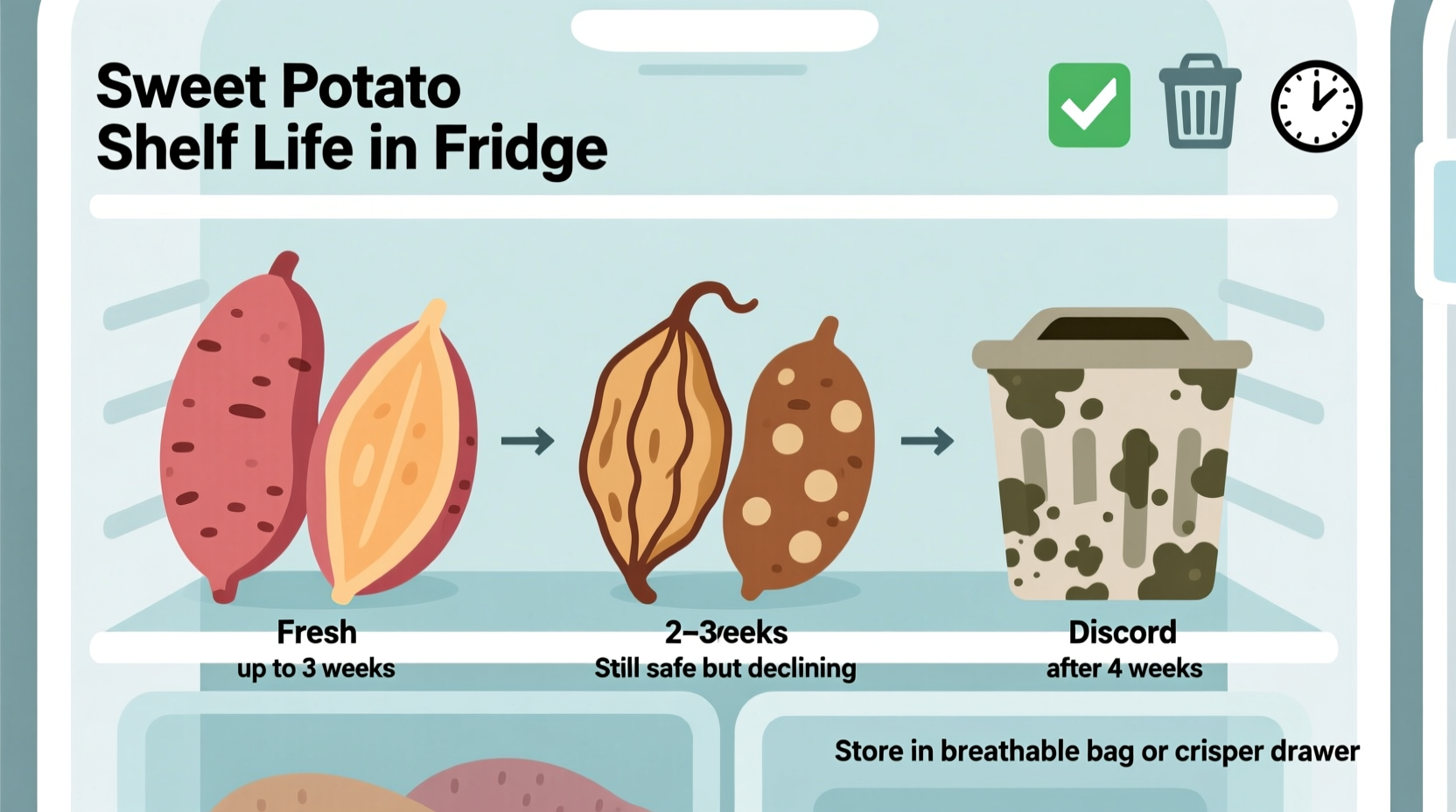
You know that bag of sweet potatoes sitting in your pantry? The one you bought with grand plans for crispy fries and cozy casseroles? We’ve all been there. Life gets busy, and suddenly those vibrant roots are just... hanging out. So, how long can you actually keep them before they turn into a science experiment? Let’s break it down in a way that’s easy to digest.
First, let’s talk about the ideal spot for your sweet potatoes. They’re not like regular potatoes, which can handle a bit of chill. Sweet potatoes are drama queens in the fridge; the cold gives them a hard, white center that tastes like disappointment. Instead, think of them as your favorite sweater: they like a cool, dark, and well-ventilated closet.
The best place is a pantry, a basement, or a cabinet away from the stove. If you keep them cozy at around 55 to 60 degrees Fahrenheit, they can last three to five weeks—sometimes even longer. My grandma used to keep hers in a paper bag in the garage, and they’d survive until Thanksgiving without a peep. Just make sure they’re not touching each other; they need their personal space to avoid sharing mold.
Must Read
What Happens When You Ignore Them?
Let’s be real: we’ve all found a sweet potato that looked like a wizened old man at the back of the cupboard. If it’s just a little shriveled and soft, it’s usually fine to eat—just cut away the sad bits. But if it sprouts little purple tentacles, don’t panic. Those sprouts are called “slips,” and while they’re technically edible, the potato will taste a bit woody and less sweet.
However, there’s one sign you must not ignore: black or mushy spots. If your sweet potato feels squishy like a forgotten banana or smells funky, throw it away immediately. That’s a sign of rot, and it’s not worth saving. Trust your nose; it knows when things have gone south.
And please, never store sweet potatoes near onions or apples. They’re like that friend who gossips too much—they’ll release gases that make each other spoil faster. Keep them in their own quiet corner, and they’ll reward you with weeks of delicious loyalty.
The Countertop Reality Check
What if you’re like me and don’t have a perfect root cellar? You just have a kitchen counter and good intentions. That’s okay! At room temperature (around 70 degrees), sweet potatoes will last one to two weeks. Put them in a bowl with holes for air, or a mesh bag, and they’ll be fine for your Sunday dinner plans.
But here’s the trick: don’t wash them until you’re ready to cook. Water is their enemy before the oven. Washing them early introduces moisture that invites mold. Think of them as tiny, underground hoarders—they already have dirt on them for a reason. It’s their protective jacket!
 Vegetables – Can Food Go Bad
I once bought a bag of sweet potatoes for a soup, got sidetracked by a long week, and found them a month later. They looked just fine on the outside, but when I cut one open, it had a weird, black ring inside. That’s a sign of age and stress. After that, I started labeling my bag with a date. It sounds silly, but it saves you from a sad, bitter surprise.
When You Really Need Them to Last
Let’s say you found a huge sale at the store. You bought ten pounds because your eyes were bigger than your pantry. What now? You can actually freeze sweet potatoes, but don’t just toss them in raw. They’ll turn into watery mush. Cook them first—roast or boil them, mash them up, and then freeze in small bags or containers. They’ll be perfect for a quick mash, pie filling, or smoothie for up to six months.
Another trick: cure them yourself. If you grow them or buy freshly dug ones, let them sit in a warm, humid place (around 80–85 degrees) for ten days. This heals small cuts and makes them sweeter. After that, move them to a cool spot, and they can last six months or more. It sounds fancy, but it’s just giving them a spa vacation before their long shelf life.
But let’s be honest: most of us buy sweet potatoes for a specific meal. We want that perfect, caramelized roasted batch that makes our house smell like autumn. So why does storage matter? Because a sweet potato that’s been sitting too long loses its natural sugar. It turns starchy and dry, like a sad chalkboard eraser. You want the kind that leaks sticky, sweet juice when you cut it—that’s the good stuff.
So here’s the takeaway: check your sweet potatoes every week. Give them a gentle squeeze. If one gets a soft spot, cook it immediately. The rest will keep going strong. And if you ever find one that’s sprouted a little “arm,” just cut it off and roast the rest. You’re not a bad cook; you’re just a realistic one.
Sweet potatoes are forgiving, but they’re not immortal. Treat them like a friendly neighbor who doesn’t overstay their welcome. Store them cool, dry, and apart from the drama of onions and apples. With a little care, those roots will stick around for your random Tuesday cravings for weeks. And that’s a win for anyone who loves a good, easy carb.