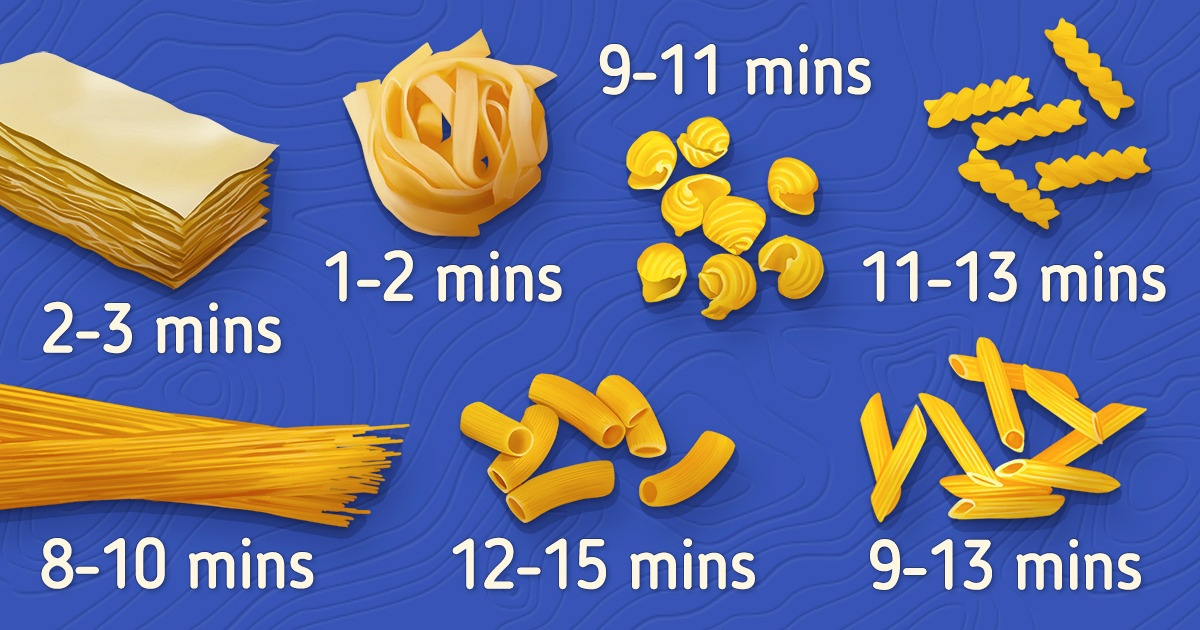
Let’s be honest for a second. That little window between perfectly al dente and mushy spaghetti is thinner than your favorite pair of jeans after the holidays. You stare at the box, and the instructions say “8–10 minutes,” but that’s just the manufacturer’s suggestion, not a promise. So, how long do you really cook spaghetti noodles?
The Golden Rule: Trust the Package, But Know Your Taste
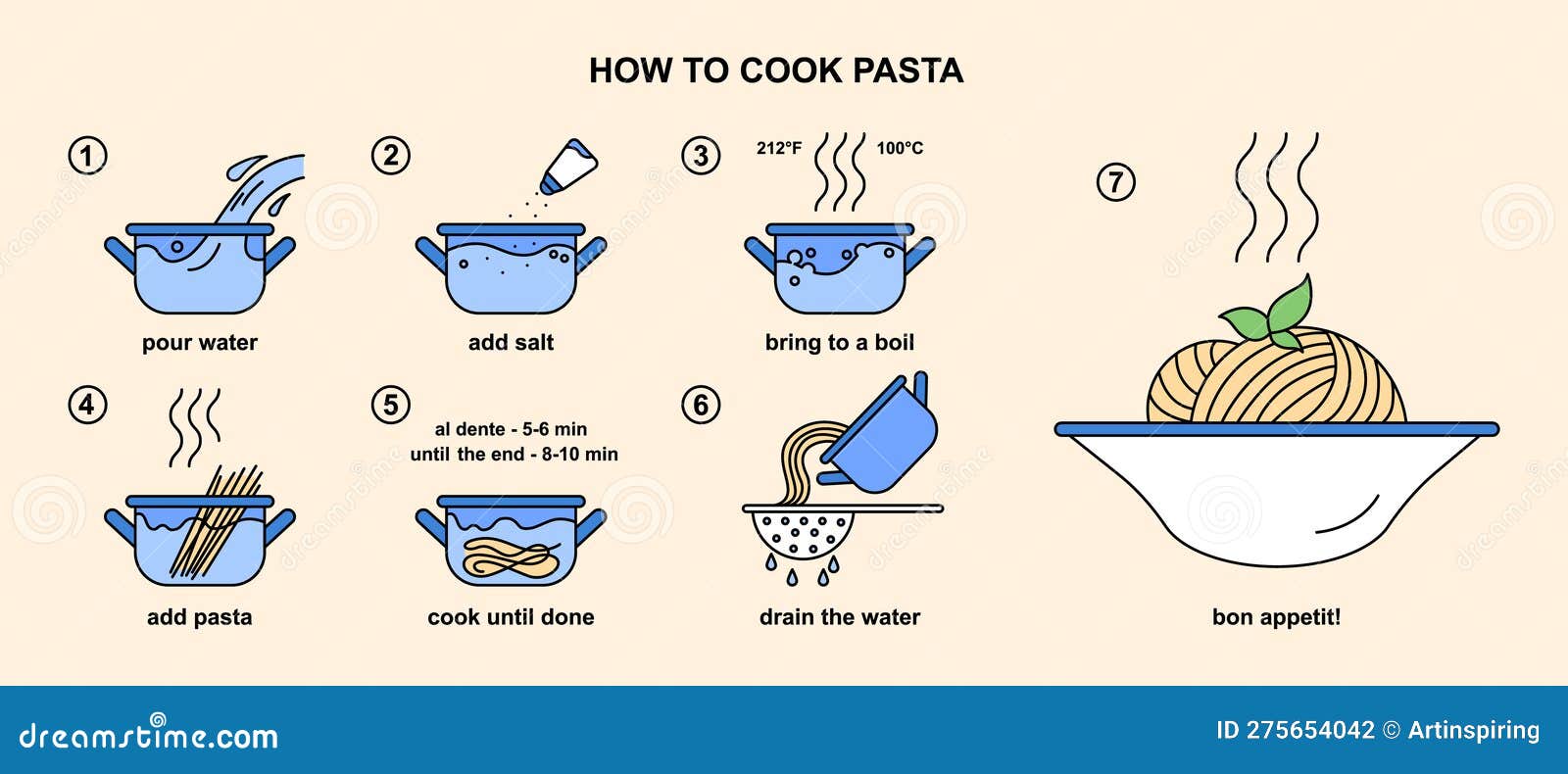
Most dried spaghetti needs 8 to 12 minutes in boiling, salted water. But here’s the kicker: that range exists because every brand, from Barilla to De Cecco, has a different density. Check the box for a starting point, but ignore the clock in a romantic, rebellious way.
Instead, start tasting the noodle at the 2-minute early mark. Yes, fish one out with tongs, let it cool for a second, and bite into it. You’re looking for that sweet spot where the pasta has a slight, firm heart at the center—that’s al dente, meaning “to the tooth” in Italian.
Must Read
If you cook it until it’s soft all the way through, you’ve killed its soul. Never apologize for undercooking slightly; you can always add a minute, but you can’t un-mush a noodle.
Beyond the Clock: The Setting Matters
Your water must be like the Mediterranean Sea—aggressively salted. Use one to two tablespoons of salt per gallon of water. It’s the only chance you have to season the pasta from the inside out.
Don’t add oil to the water, either. That old trick? It just makes the sauce slide off the noodles. You want the sauce to cling like a loyal friend at a party.
Boil the water at a full, rolling boil—not a gentle simmer. A calm boil means starches aren’t moving, and you’ll end up with sticky, clumpy pasta. Stir immediately after dropping the noodles to prevent disaster.
A Fun Little Fact from Italy
In Naples, there’s a saying: “L’acqua che bolle non mente”—the boiling water doesn’t lie. Italians traditionally toss a strand of spaghetti against the wall or fridge. If it sticks, it’s done. Is it scientific? No. Is it wildly satisfying? Yes. Try it once for the sheer theater of it.
Also, authentic Italian cooks rarely cook pasta past al dente. They believe a firmer pasta digests slower, keeping your blood sugar stable. There’s a little wisdom hidden in that bite.
The “Secret to Success” Step You Keep Skipping
Here’s the practical tip that changes everything: reserve a cup of pasta water before you drain. That cloudy, starchy liquid is liquid gold. When you toss your drained spaghetti with sauce, add a splash of that water to thin things out and help the sauce stick.
The starch in the water emulsifies the sauce, creating a creamy, silky coating that restaurant pasta dreams of. Never dump it all down the sink.
Drain the pasta al dente by a full minute. Remove it when it still feels a bit too firm in the center. It will finish cooking in the hot pan with your sauce—a technique called risottatura.
 How Long To Cook Spaghetti Noodles
When Life Gives You Different Pasta Shapes
Spaghetti is a thin, long noodle, so it cooks faster than thick shapes like fettuccine or bucatini. A box of angel hair (capellini) might be done in 4–5 minutes, while thick linguine or tagliatelle might need 10–12. Always check shape-specific instructions.
Fresh spaghetti—the kind you buy refrigerated—cooks in 2–3 minutes. It has a softer texture and a more delicate bite. Don’t treat it like dried pasta; you’ll ruin it.
If you’re cooking for a crowd, double the water volume, not just the pasta. A crowded pot drops the water temperature, and craggy, undercooked noodles are the tragic result.
Fun Fact: Spaghetti’s Storied Past
Spaghetti didn’t come from China, as some myths claim. The modern version was perfected in 19th-century Italy, specifically in the region of Campania. In 1882, the first official spaghetti factory in Torre Annunziata standardized the drying process, turning it into a global staple.
And here’s a cultural throwback: In 1957, the BBC aired a hoax documentary about spaghetti trees in Switzerland. Viewers actually wrote in, asking how to grow their own. The noodle joke stuck for decades.
Today, over 1.5 million tons of spaghetti are produced globally each year. That’s a lot of boiling water and a lot of almost-perfect dinners.
A Final Reflection: The Rhythm of the Pot
When you stop obsessing over the clock, cooking spaghetti becomes a quiet meditation. You learn to listen to the water, to feel the resistance of the noodle against your teeth. It’s not just about dinner—it’s about learning to trust yourself in small moments.
That first bite of perfectly cooked spaghetti, twirled on a fork with a little sauce and a sprinkle of cheese, reminds you that the best things in life don’t need rigid formulas. They need attention, a pinch of salt, and a little patience.
So next time the box says “10 minutes,” take a breath. Taste it at 8. Live a little. Your pasta—and your evening—will be better for it.