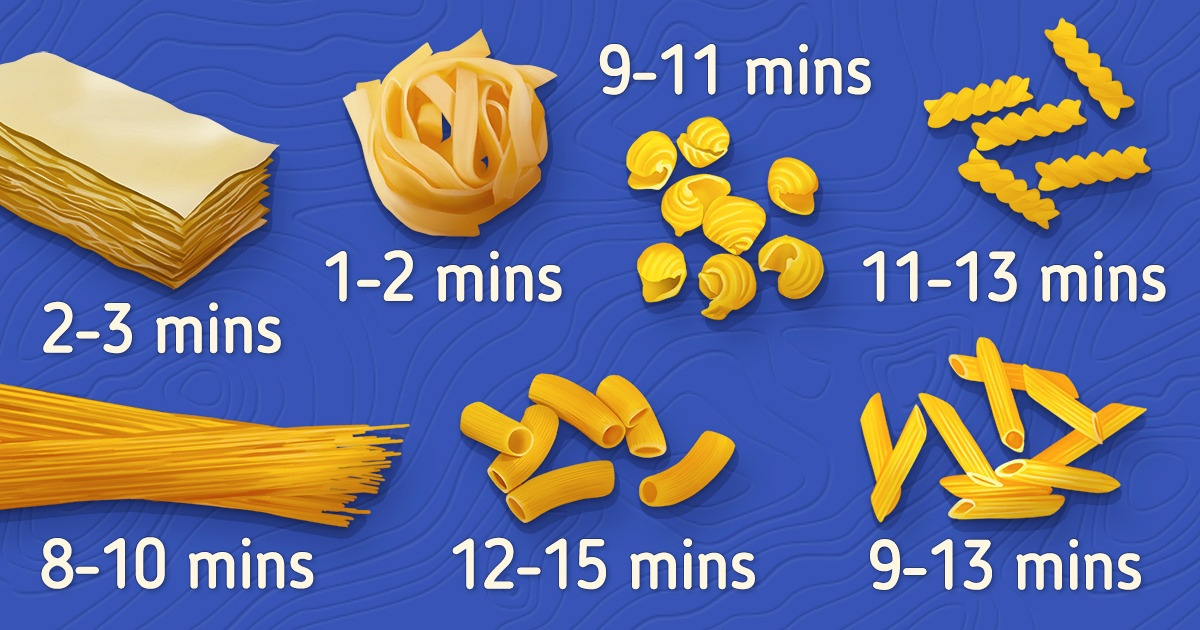
Let’s be honest: figuring out how long to cook spaghetti noodles is one of life’s tiny, high-stakes mysteries. You stand there, holding the box, feeling like a caveman trying to decipher a microwave. We’ve all been there, staring at the boiling water and wondering, “Is this a two-minute job or a ten-minute commitment?”
The short answer? It depends on whether you want a meal or a weapon. Too hard? You’re eating crunchy, aggressive pasta that fights back. Too soft? You’ve made a sad, gluey paste that clings to your teeth like a needy ex.
First, let’s get the golden rule out of the way: always check the package instructions. I know, it sounds boring, but the pasta makers literally designed the noodle for that specific time. Ignore it at your own risk—and a risk of a sad dinner.
Must Read
Most dry spaghetti says something like 8 to 10 minutes. But that’s just a starting point. You have to become a noodle detective. The real trick is the tooth test—pull out a strand, let it cool for a second, and bite it.
You want al dente, which is Italian for “to the tooth.” That means it’s firm but not hard, with a tiny white dot in the center. Think of it like a good handshake: not too floppy, not too crushing.
Here’s the tricky part: even after you drain the pasta, it keeps cooking from its own heat. So you actually want to pull it out one minute early—when it’s almost perfect but still has a slight bite. Otherwise, by the time you add sauce, you’ll end up with mush.
I once cooked spaghetti for a first date. I was so nervous I boiled it for 14 minutes. The result? A sticky, tragic blob that tasted like regret. We still laugh about it—mostly because the noodles had the texture of a used sponge.
Another time, I undercooked it on purpose for a “crunchy salad.” Bad idea. My jaw worked harder than a woodchipper. The moral: undercooked pasta is for decoration, not dinner.
The Water Moment
Start with a big pot of well-salted water. It should taste like the sea—seriously, add a generous handful of salt. No, don’t be shy. The salt is the only chance the noodles have to get flavor from the inside out.
Drop the spaghetti in, and give it a gentle stir right away. If you skip this, the strands will glue themselves together into a sad, noodle pancake. It’s like putting kids in a room and not watching them—chaos happens.
Set a timer for two minutes less than the box says. That’s your first alarm. Then start tasting every 30 seconds after that. Yes, you will look goofy fishing out hot noodles with a fork. But you’re a savvy cook, not a robot.
The Rescue Sauce Trick
Here’s a pro move: before draining, scoop out a cup of the starchy pasta water. That cloudy water is liquid gold. It helps your sauce stick to the noodles instead of sliding off like a greased pig.
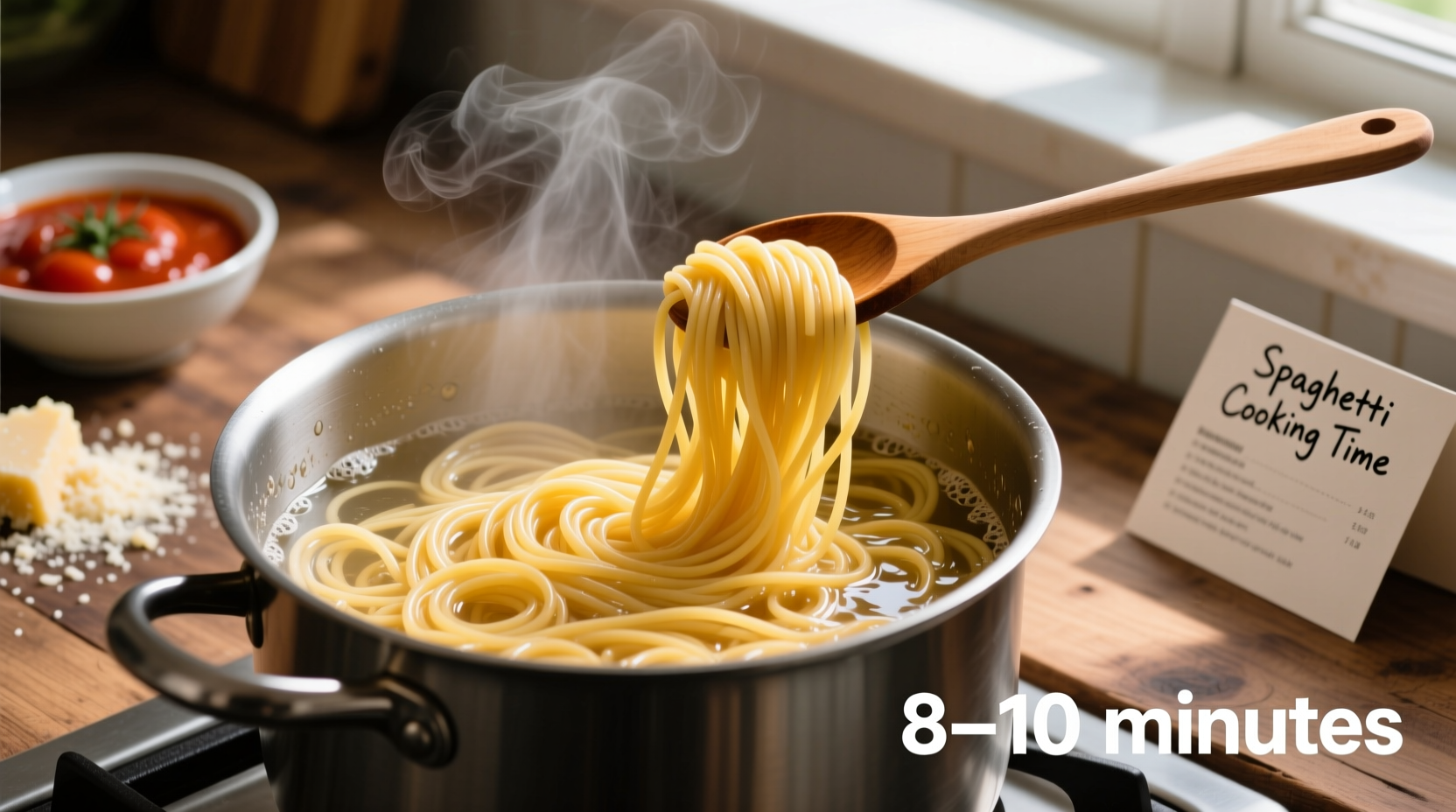 How Long to Cook Spaghetti: Perfect Timing Guide (8-12 Min)
When you toss the drained spaghetti with sauce, add a splash of that water. It creates a silky, glossy finish that makes you look like a chef who actually plans their life. I use this trick even when I’m just making butter and cheese.
And please, never rinse the pasta unless you’re making a cold salad. Rinsing removes the starch that helps sauce cling. It’s like washing off sunscreen before going to the beach—pointless and sad.
Fresh vs. Dry: The Big Difference
Fresh spaghetti (the kind you buy in the fridge section) cooks in 1 to 3 minutes. That’s it. Don’t blink, or you’ll miss the window. It’s like a hummingbird: fast, delicate, and easy to overcook.
Dry spaghetti is the sturdy, reliable cousin. It takes longer, but it’s forgiving. You can mess up by a minute or two and still have edible results. Fresh pasta? Overcook it by 30 seconds and you have baby food.
I once forgot I was boiling fresh pasta because I got distracted by a cat video. It turned into a pasty, slimy lump. The cat didn’t care. My dinner did.
Real Life Cheat Sheet
For standard dry spaghetti (1.6mm thick): 8-9 minutes for al dente. 10-11 minutes for soft (if you like it that way—no judgment). Anything past 12 minutes? You’re making porridge for a toddler.
If you’re cooking for kids, just go for 10 minutes. They don’t care about texture; they care about sticking to the wall. Seriously, my nephew throws a noodle at the fridge—if it sticks, it’s done. Not scientific, but charming.
Here’s the final truth: you will mess up sometimes. That’s okay. I still pull undercooked noodles out of the sink drain and think, “That was a learning moment.” The secret is to taste, taste, taste, and trust your teeth.
So next time you’re boiling spaghetti, remember: it’s not rocket science. It’s noodle science. And noodle science says al dente is your friend, the package is a suggestion, and a little starch water fixes almost everything. Happy boiling.