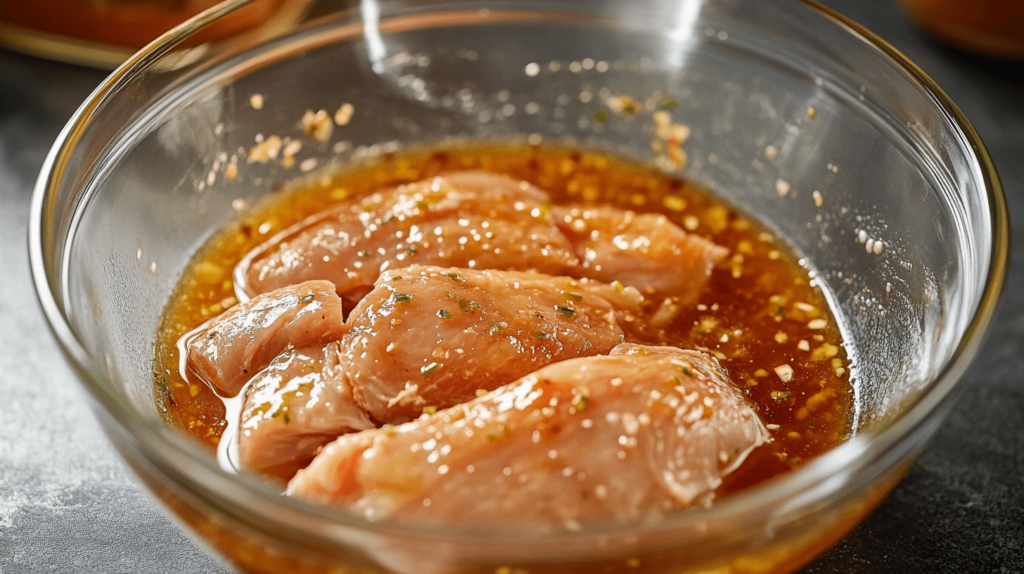
So, there I was, standing in my kitchen, staring at a plastic bag of chicken breasts swimming in a mysterious brown liquid. I’d thrown it together in a rush, you know, like you do—soy sauce, garlic, a squirt of honey, maybe some paprika. The packet said “marinate for 30 minutes to 2 hours,” but honestly? I’d totally forgotten about it for about six hours. Panic set in. Was I about to serve chicken that tasted like a salty sponge or, worse, something that could double as shoe leather?
Here’s the thing: marinating chicken is not an exact science, despite what those fancy recipe blogs might tell you. (And I say that with love, because I’m one of those blogs right now.) The real question isn’t just “how long?”—it’s “what’s your goal?” Do you want flavor that screams, or do you want chicken that stays juicy? Because the answer changes everything.
The 15-Minute Miracle (Yes, Really)
If you’re in a rush—like, I’m about to order takeout level of rush—fifteen minutes is totally fine. Seriously. I’ve done it. You just need a marinade with a good punch of acid, like lemon juice or vinegar, plus salt. The salt starts working immediately, drawing flavor into the outer layers. It won’t penetrate to the bone, but you’ll get a zesty, seasoned crust that makes the chicken taste like you actually put in effort.
Must Read
Well, that’s what I tell myself when I’m scrambling to get dinner on the table. And guess what? It works. Even 15 minutes beats zero minutes, so don’t skip it just because you’re short on time. Your taste buds will thank you—your pride, less so, but we don’t talk about that.
The Sweet Spot: 2 to 4 Hours
This is the golden window, my friends. Two to four hours gives the marinade enough time to actually sink into the meat without turning it into a science experiment. Think of it like a slow dance: the acid and enzymes gently break down some proteins, while the oil and seasonings coat every nook and cranny. The result? Chicken that’s flavorful all the way through and still tender enough to cut with a fork.
But here’s a little side note: if you’re using a marinade with a lot of acid—like straight lime juice or vinegar—don’t push it past four hours. Trust me on this. I once marinated some thighs in a citrus-heavy mix for six hours, and they came out with this weird, mealy texture. It was like eating chicken that had been through a washing machine. Not cute.
What About Overnight? The Big Debate
Ah, the overnight marinate. This is where things get spicy. Some people swear by it, saying it makes the chicken “so infused with flavor.” Others, like my neighbor Dave, claim it’s a one-way ticket to Mushville. The truth? It depends entirely on the marinade. If it’s something gentle—like yogurt, buttermilk, or a simple herb-and-oil blend—overnight can be magical. Yogurt has enzymes that tenderize without obliterating texture, and the flavor gets deep into the meat.
But if you’re using a heavy acid marinade, like a vinegar-based one? Stop right now. You’re not making chicken; you’re making chicken ceviche, and nobody wants that on the grill. I learned this the hard way when I left some drumsticks in a balsamic mix for 12 hours. The result was a sad, rubbery thing that tasted like a salad dressing accident. So, rule of thumb: overnight is fine, but only if you know your marinade’s personality.
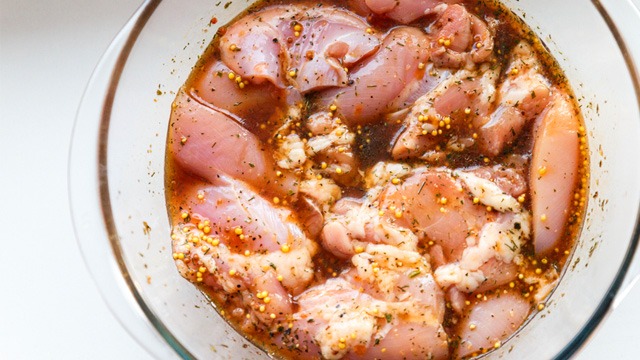 how do you marinate chicken before cooking
The Maximum Time Limit (Don’t Test It)
So, how long is too long? Generally, you want to cap it at around 24 hours, even for gentle marinades. Beyond that, the enzymes start throwing a party in your chicken, breaking down the proteins so much that the meat gets mushy. I’m talking “falling apart in a sad way” mushy, not “fall-off-the-bone” tender. Big difference.
And if you’re using a salty marinade—like soy sauce or fish sauce—watch out. Salt is a powerful dehydrator. Leave chicken in a salty bath for over 24 hours, and you’ll end up with something that tastes like a salt lick wrapped in leather. I did this once with a teriyaki-style mix. My family still brings it up. “Remember that chicken that could cure a ham?” Yeah. Not my best moment.
Pro Tips for the Lazy (and Curious) Cook
Okay, here’s the cheat code: always pat the chicken dry before cooking, no matter how long you marinated it. Excess marinade just steams the meat, preventing that gorgeous golden-brown crust you’re dreaming of. Also, never reuse marinade as a sauce unless you boil it first—raw chicken juice plus gravy is a no-go for food safety. Unless you enjoy living dangerously, in which case, you do you.
Another thing: breast meat is lean and more delicate, so it can handle less time than thighs or legs. Breasts are the high-maintenance friend of the chicken world—treat them gently, and they’ll reward you. Thighs? They’re the cool cousin who can hang out in a marinade all day and still come out juicy. Know your cut, and you’ll win every time.
So, back to my six-hour mistake. The chicken? It turned out perfectly fine—flavorful, tender, and not at all like shoe leather. I guess the lesson is: marinating is more art than science, and the best timer is your gut. Or your nose. Or just a cheap kitchen timer, honestly. But next time you’re standing there, bag in hand, just remember—it’s the thought that counts, and the salt. Always the salt.