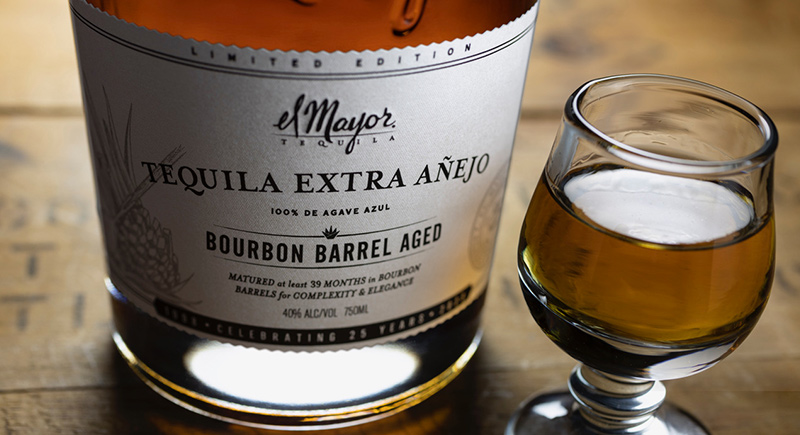
There’s something undeniably seductive about a bottle of extra añejo tequila. It sits on the shelf with an air of quiet authority, promising depth and complexity. But the question that often lingers over a glass is simple: just how long has this liquid treasure been sleeping?
The Official Rules of the Game
According to the Consejo Regulador del Tequila (CRT), the governing body for all things tequila, extra añejo must be aged for a minimum of three years. That’s the baseline—the starting line where the magic truly begins.
While three years is the legal floor, many premium producers push far beyond it. Some of the most celebrated extra añejos spend four, five, or even ten years in oak barrels, coaxing out flavors that feel more like a fine whiskey or cognac.
Must Read
A Spectrum of Time
Think of aging as a spectrum: blanco is fresh and fiery, reposado rests for two months to a year, and añejo spends one to three years in wood. Extra añejo is the slow-motion, contemplative cousin, taking its sweet time to mellow into something utterly unique.
Fun fact: some distilleries release "ultra-aged" expressions that are aged for over a decade. These bottles are rare, expensive, and often treated like liquid art—collectors will hoard them for special moments.
What Happens During Those Years?
Inside the barrel, the tequila undergoes a quiet transformation. The agave sugars caramelize, vanilla and spice notes emerge from the oak, and the harsh alcohol heat softens into a warm, silky finish.
The climate matters enormously. In the highlands of Jalisco, cooler temperatures slow down the interaction between spirit and wood, leading to longer, more elegant aging. In the lowlands, warmer air speeds things up, creating a bolder, oakier profile in less time.
How to Read a Label (Without a PhD)
Don’t just trust the "extra añejo" stamp—look for the exact age on the bottle, if available. A brand that ages for four years versus three might offer a distinctly richer, rounder sip.
Another cheat code: check the barrel type. Ex-bourbon barrels are common, but some distillers use French oak, cognac, or even wine casks. Each adds its own personality—like a spice cabinet for the spirit.
Practical Tips for Buying
If you’re new to extra añejo, start with a bottle aged around three to four years. Brands like Don Julio 1942 (aged 2.5 years) are technically añejo, but many consider it an introductory extra añejo. For the real deal, try Tequila Ocho Extra Añejo or Fortaleza—both clock in at three to five years.
 Aging Tequila and Mezcal: How Time Transforms Agave Spirits
Price is a clue: a good extra añejo rarely costs under $80. Anything cheaper is likely cutting corners with younger spirits or artificial flavorings. Invest in quality, and your taste buds will thank you.
A Cultural Connection
In Mexico, extra añejo is often reserved for special occasions—weddings, milestones, or quiet evenings of reflection. It’s not a shot-for-the-party drink; it’s a sipping tequila, meant to be savored in a wide-brimmed glass.
Fun cultural fact: the word “añejo” actually comes from the Spanish añejar, meaning “to age” or “to make old.” There’s a beautiful irony in that—something old becomes new every time you open the bottle.
The Verdict on Time
So, how long is extra añejo aged? Officially, at least three years. Practically, as long as the master distiller dreams of—sometimes a decade or more. The magic isn’t just in the numbers, but in the patience.
Think of it like a good friendship: it gets better with time, but only if you let it breathe. The next time you pour yourself a glass of extra añejo, pause for a second. You’re not just drinking a spirit; you’re tasting a calendar.
A Short Reflection for Daily Life
Aging isn’t just for tequila. In our fast-paced world, we could all use a little more extra añejo energy—slowing down, letting flavors develop, trusting the process. Whether it’s a career, a relationship, or a personal goal, some things simply can’t be rushed.
Pour yourself something aged with intention tonight. Let it warm you slowly. And remember: the best things in life are worth waiting for—sometimes, like a fine extra añejo, at least three years.