
Let’s be honest: few things in the kitchen cause as much quiet anxiety as a pan of raw chicken. You stand there, spatula in hand, wondering if you’re one minute away from juicy bliss or a sad, rubbery disc. The good news? Sautéing chicken is actually the fastest and most forgiving way to cook it—if you know the numbers.
The Golden Window: Timing Is Everything
For boneless, skinless chicken breasts, your sweet spot is 5 to 7 minutes total. That’s for a properly pounded or sliced breast (about half an inch thick). Thighs? Give them a little more love: 7 to 9 minutes for that tender, never-dry texture.
Here’s the trick: cook it undisturbed for the first 3 to 4 minutes. Let that crust form—it’s your golden ticket to flavor. Flip once, then cook the other side until the internal temp hits 165°F (74°C). A meat thermometer is not a suggestion; it’s your best friend.
Fun fact: The French call this technique sauter, literally meaning “to jump.” You’re supposed to shake the pan so the ingredients jump. But for chicken? Don’t jump it. Let it rest in the pan like a calm philosopher.
The Prep That Changes Everything
Want to skip the panic? Pound that chicken. Place a breast in a ziplock bag and whack it with a rolling pin until it’s an even ½-inch thick. This isn’t violence—it’s culinary precision. Uneven thickness means uneven cooking, which means parts are dry while others are underdone.
Season right before it hits the pan. Salt draws out moisture if left too long; a dry surface equals a better sear. Pat your chicken dry with paper towels like you’re drying a baby hippo. Pat, season, pan.
Cultural detour: In Italy, they warm the oil with a clove of garlic until it’s fragrant, then remove it before adding the chicken. That subtle kiss of garlic? Chef’s kiss. Try it next Tuesday.
The Heat: Medium-High and Steady
Set your burner to medium-high. Too low, and the chicken steams instead of searing. Too high, and you get smoke alarms at 7 p.m. on a Tuesday. Use a stainless steel or cast-iron pan—nonstick is fine, but it won’t give you that deep, caramelized crust.
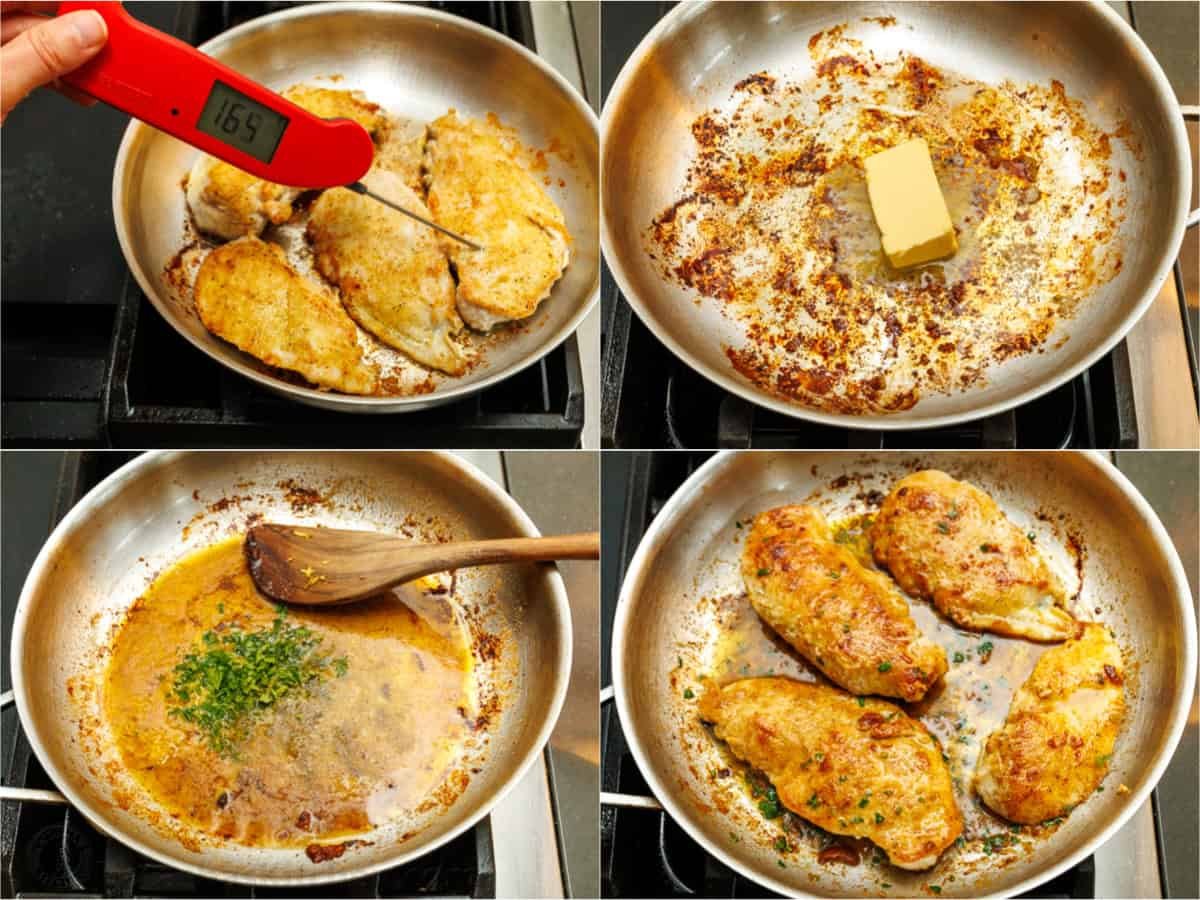 Lemon Pepper Chicken - NatashasKitchen.com - MasterOfCooking
Add a tablespoon of oil (avocado or canola—high smoke point), wait until it shimmers, then lay in the chicken. You should hear a satisfying sizzle. If it’s silent, your pan wasn’t hot enough. If it’s aggressive smoke, you’re a fire hazard. You want a happy medium.
Don’t crowd the pan. If you need to cook four breasts, do it in batches. Overcrowding drops the temperature and steams everything. Think of your chicken like commuters on a subway: they need personal space.
The Flip and the Rest
After 3-4 minutes, check the bottom. It should be a deep golden brown—not pale, not black. Flip gently with tongs (no piercing! that releases juices). Cook the second side for another 2-4 minutes, then check the temp.
Once it’s at 165°F, remove it immediately from the pan. Let it rest on a cutting board for 5 minutes. This is not optional. Resting redistributes juices so your first bite isn’t dry. Cover loosely with foil if you’re feeling fancy.
Quick tip: While it rests, deglaze the pan with a splash of white wine or chicken broth. Scrape up those brown bits—that’s liquid gold. Add a knob of butter, and you have a pan sauce in 30 seconds.
Common Mistakes (And How to Fix Them)
Mistake #1: “It’s still pink inside!” Solution: Use a thermometer, not your eyeballs. Some chicken stays pinkish near the bone even when fully cooked. Trust science, not fear.
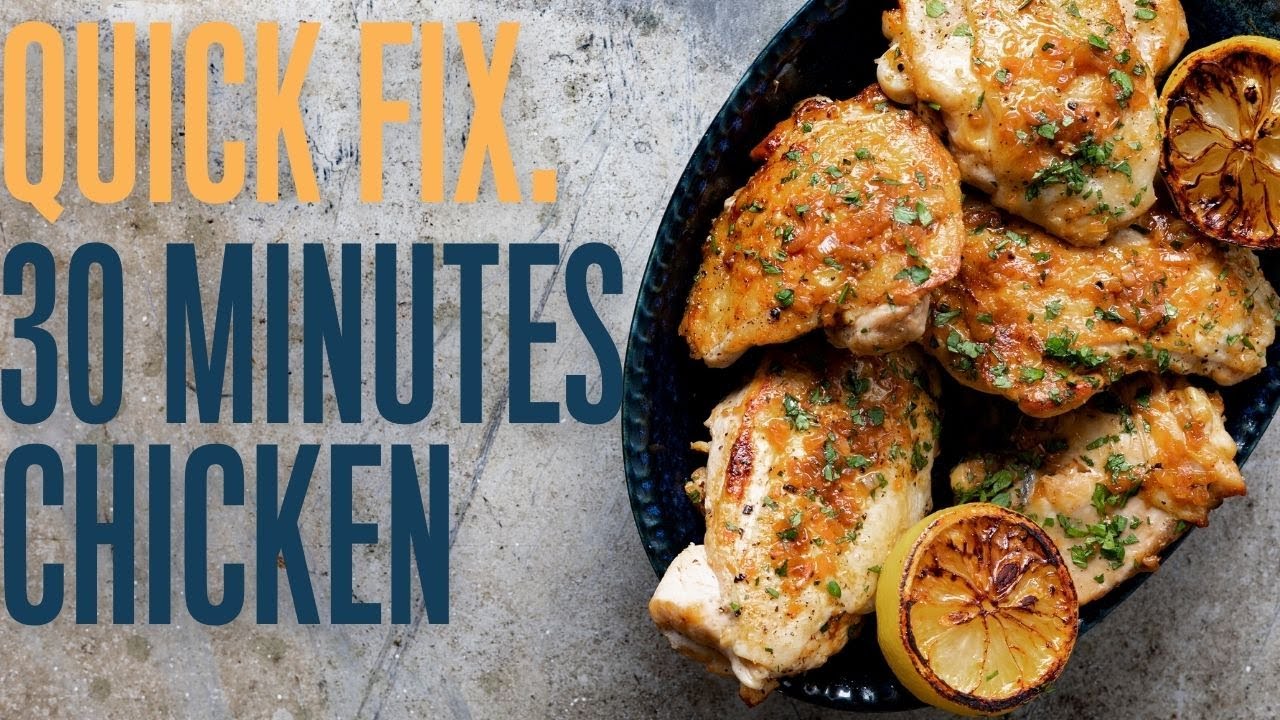 How Long To Saute Chicken Thighs In Instant Pot at Sandra Miles blog
Mistake #2: “It’s dry again.” You overcooked it. Next time: cook to 160°F, let it rest to 165°F. Carryover cooking is your secret weapon.
Mistake #3: “My kitchen smells like a biology lab.” You skipped the fresh herbs. Add thyme, rosemary, or sage to the oil before the chicken. It elevates the aroma from “student dorm” to “rustic bistro.”
A Little Cultural Wisdom
In Thailand, they stir-fry thin chicken slices over high heat for 2 minutes flat, tossed with basil and chili. In Spain, they slowly dorar (brown) chicken in olive oil before adding rice. The lesson: speed varies, but confidence is constant.
Even Julia Child once said, “You don’t have to cook fancy or complicated masterpieces—just good food from fresh ingredients.” Sautéing chicken is that promise in a pan. Simple, fast, deeply satisfying.
The Final Reflection
Think about this the next time you’re staring at that raw chicken. Sautéing is a microcosm of daily life: you don’t need to rush, but you can’t dawdle. You need the right tools, a little patience, and the courage to trust your senses. A dry chicken breast is just a lesson in humility. A perfect one is proof that small, deliberate actions create comfort.
So tonight, pound that chicken. Heat your pan. Listen for the sizzle. And when you take that first bite—golden, juicy, perfectly cooked—remember that you didn’t just cook dinner. You practiced the art of showing up, one shallow pan of sautéed chicken at a time.