Let’s be honest—there’s nothing quite like a piece of perfectly fried chicken. You know the one: crunchy on the outside, juicy on the inside, and so good you forget your table manners. But we’ve all been there—burned on the outside, raw on the inside, and suddenly dinner feels like a tragedy. So, how long to fry the chicken? That’s the golden question, and the answer is simpler than you think.
First, let’s talk about the why. Why should you care about timing? Because a few extra minutes can turn your chicken into a hockey puck, and a few too few can make you reconsider your love for takeout. Getting the time right means crispy, safe, and juicy perfection every single time. It’s the difference between a meal you’re proud of and one you hide from your mother-in-law.
The General Rule: It Depends on the Cut
Think of chicken pieces like your high school gym class. Legs and thighs are the slowpokes—they need a little more time to cook through. Breasts and wings are the sprinters—they’re done faster but can dry out if you overdo it. For boneless, skinless breasts, fry for about 3 to 4 minutes per side in oil at 350°F. That’s roughly the length of a favorite pop song.
Must Read
For bone-in pieces, you’re looking at 12 to 15 minutes total—about the time it takes to watch a quick TikTok compilation. Thighs and drumsticks can handle a minute or two longer. And wings? Those little guys are usually ready in 8 to 10 minutes, depending on size. Trust me, undercooked wings are a party foul nobody forgives.
Your Thermometer Is Your Best Friend
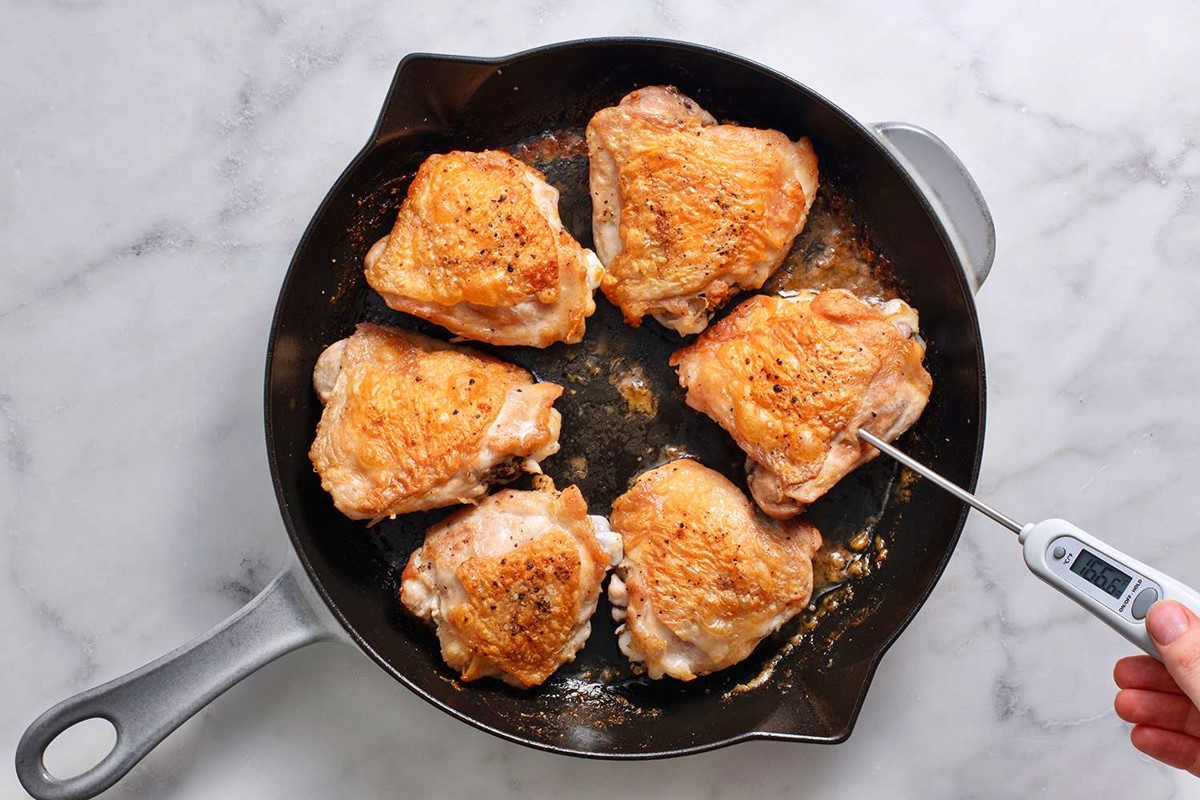
Remember that weird kitchen gadget you got for your birthday? The one you never use? Pull it out—it’s a game-changer. An instant-read thermometer takes the guesswork out of frying. Chicken is safe to eat when it hits 165°F in the thickest part. That’s the temperature you want, not a guess or a prayer.
Here’s a little story: Last summer, I threw a backyard fry party. I was so busy chatting that I forgot to check the temp. The thighs looked golden, so I served them up. Everyone took a bite, made a face, and suddenly I was the “chicken guy” (in a bad way). Never again. Now I temp every single piece, and my friends actually ask for seconds.
 The Secret to Perfectly Fried Chicken: Timing Each Side to Crispy
Oil Temperature: The Secret Sauce
Your oil needs to be at 350°F to 375°F. If it’s too cold, your chicken absorbs oil like a sponge—greasy and sad. If it’s too hot, the outside burns before the inside cooks. Think of it like a traffic light: steady 350°F is green light, too low is a red light, and too high is a ticket. Use a thermometer clip for your pot, and you’re golden.
Pro tip: Don’t crowd the pan. Drop too many pieces in at once, and the oil temperature crashes. Suddenly your chicken is swimming in a lukewarm bath, and nobody wants that. Fry in batches, like you’re hosting a polite dinner party—not a frantic escape from a restaurant fire.
A Little Patience Goes a Long Way
Here’s where real life meets the kitchen. You’re hungry, the kids are whining, and that chicken smells amazing. I get it. But wait for the oil to recover between batches. It takes about 2 to 3 minutes for the temperature to climb back up. Use that time to breathe, sip your drink, or do a little happy dance. It’s worth it.
I once tried to speed-fry a whole chicken for a gathering. I threw in everything at once—big mistake. The oil dropped to 300°F, and I ended up with a soggy mess that tasted like regret. My aunt still brings it up every Thanksgiving. Learn from my shame.
 How Long Do You Fry Chicken Thighs For? The Complete Guide
The Simple Cheats for Everyday Heroes
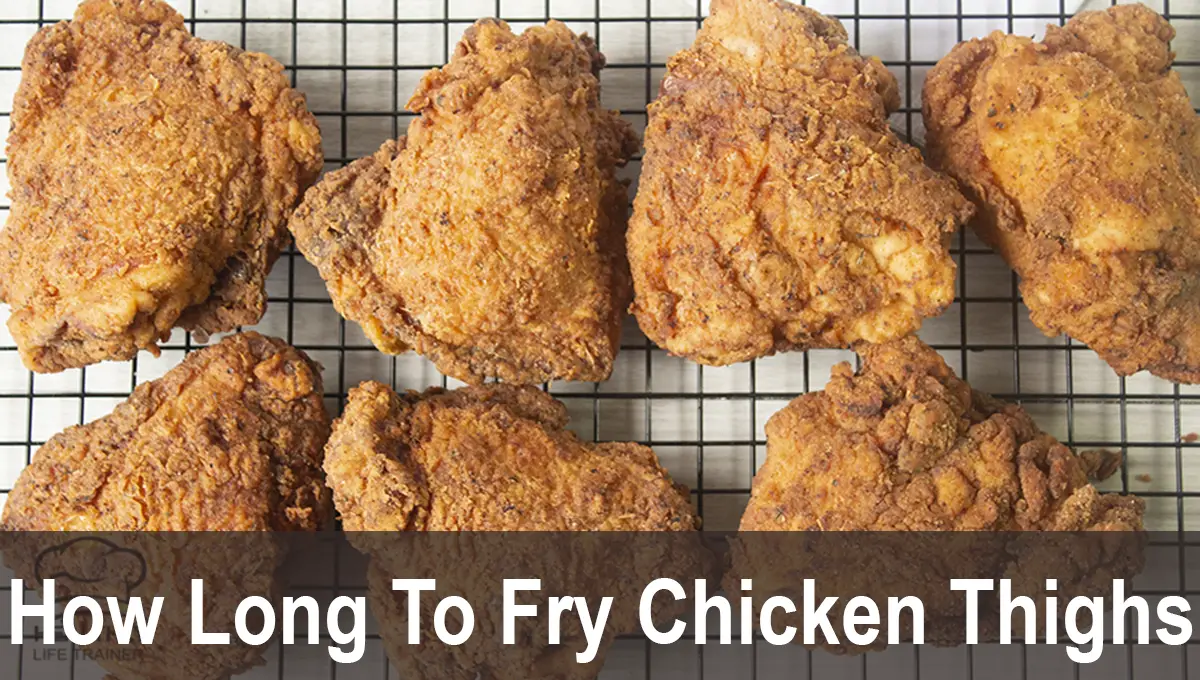
Don’t overthink it. For boneless strips or nuggets (the weeknight warriors), 2 to 3 minutes per side at 350°F will do. For whole legs or thighs, go 10 to 12 minutes total, flipping halfway. And for bone-in breast? That’s the diva—14 to 18 minutes, but check the temp early. Rest the chicken for a minute after frying—it locks in the juices.
Use a simple timer on your phone. I set mine for the first flip, then the final check. It keeps me from scrolling social media and ending up with charcoal. You’re not a professional chef—you’re someone who wants a meal that brings smiles, not tears. And that’s exactly why you should care.
Real Talk: Why Perfect Timing Changes Your Life
Getting the timing right isn’t just about science; it’s about confidence. When you nail that crunchy, juicy chicken, you walk a little taller. Your family cheers. You might even get asked for the recipe. It turns a simple dinner into a moment of pride. And honestly, that’s something we all need more of.
So next time you fire up that skillet, remember: 350°F oil, temp your food, and don’t rush. How long to fry the chicken? Long enough to make it great, but not long enough to mess it up. You’ve got this—now go make that bird sing.