So, my friend Sarah—you know the type, the one who orders the surf and turf every time—recently stared down a whole lobster at dinner. She paused, fork in hand, and squinted at the poor guy. “Wait,” she said, turning to me. “How many legs does this thing actually have?” I laughed, but then I realized… I had no clue either. It’s one of those weird facts you think you know, but you totally don’t. Let’s fix that right now, because counting a lobster’s legs is way trickier than you’d imagine.
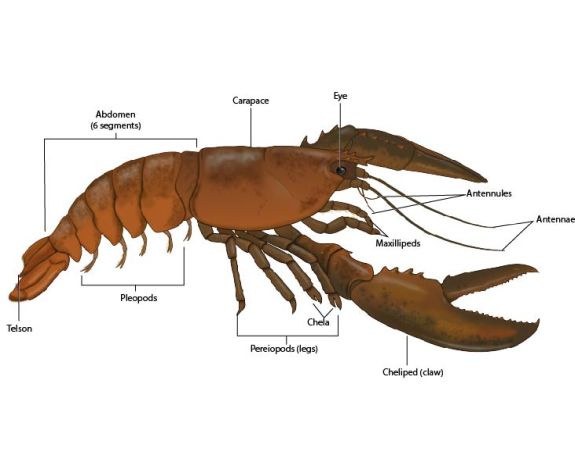
First off, let’s get the obvious out of the way: a lobster has ten legs in total. Yes, you heard me—ten. That includes the big, scary claws up front, which are technically legs too. We call them chelipeds, but that’s just fancy science talk for “pinchers that ruin your day.” So, if you’re counting legs for a trivia night, start with ten.
But here’s where it gets fun—and slightly confusing. Those first two legs (the claws) are different from the rest. They’re bigger, heavier, and built for crushing and cutting. The other eight legs are your standard walking legs, skinny and delicate. Think of them as the lobster’s “work boots” versus its “dress shoes.” See? Even crustaceans have a fashion sense.
Must Read
Wait, Are the Claws Legs or Arms?
Oh, great question. Biologically, yes, they’re legs—modified for grabbing, not walking. Evolution is weird like that. But if you ask a lobster chef or a fisherman, they might call them “arms” because they function like human arms. Linguistically, it’s a mess.
Side note: Next time you’re at a seafood boil, casually drop this fact: “Did you know a lobster’s claws are actually its first set of walking legs?” People will either be impressed or slowly back away. Either way, you win.
What About Those Tiny Little Ones Near the Tail?
Ah, you’re sharp. Under the tail, there are these small, wiggly appendages called swimmerets. They’re not legs—they’re used for swimming and, in females, for holding eggs. So don’t count them. Really, don’t. That’s like counting your toes as fingers. Gross.
But here’s a cool trick: male lobsters have harder, bonier swimmerets, while females have softer, feathery ones. So if you flip a lobster over (carefully, seriously), you can actually tell the gender. It’s the ocean’s version of checking a driver’s license.
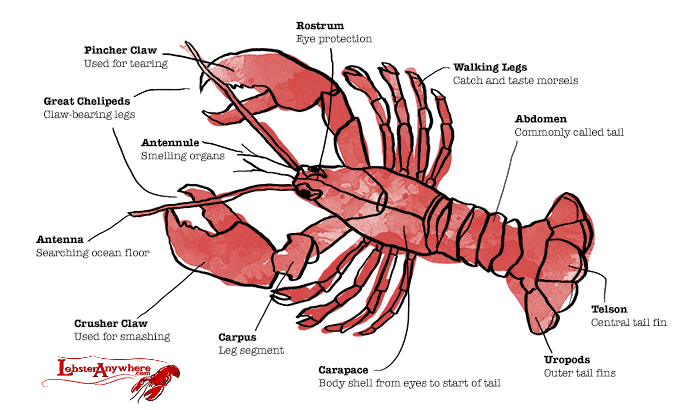 Lobster Anatomy: Understanding The Basics Of Lobster Lingo
So, How Many Legs Do You Eat?
Now, this is the real question for most people. When you crack open a lobster, you usually only eat the claws and the tail. But those walking legs? They’re thin and mostly shell. You can suck the meat out of them, like a tiny, salty straw. And some people do. I’ve seen it. It’s not pretty, but it’s efficient.
Fun fact: the “leg meat” is actually sweeter than the claw meat. But getting it out is a workout. I personally stick to the tail—I’m a lazy eater, and I’m not ashamed. You do you, though.
But Wait—There’s More Leg Confusion
Did you know lobsters can regrow their legs? Yeah, if a lobster loses a leg in a fight or a bad molt, it’ll grow a new one over time. That new leg is often smaller and less colorful. So, if you see a lobster with uneven legs, it’s basically a marine scar story. “Yeah, I got into it with a crab in 2021. You should see the other guy.”
And here’s a mind-bender: lobsters are always molting. They shed their entire exoskeleton, including legs, claws, and even the little hairs. After molting, they’re soft and vulnerable for a few days. That’s when fishermen catch them—they’re too busy hiding to run. Brutal, right?
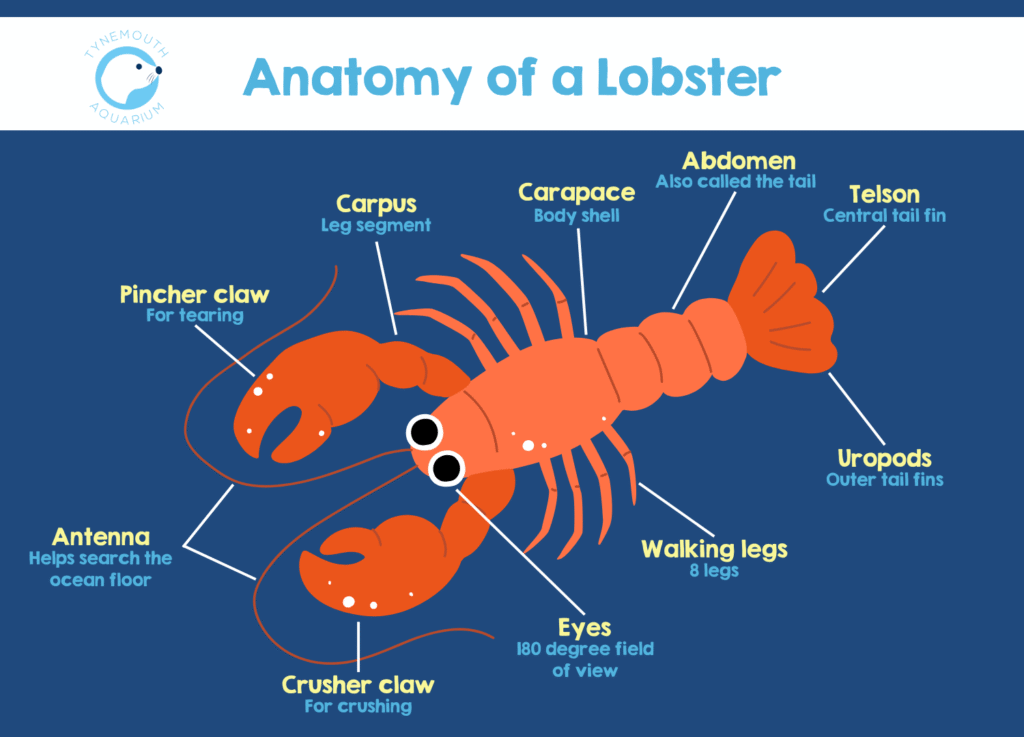 Anatomy of a Lobster Explained - Tynemouth Aquarium
The Final Count (For Real This Time)
Okay, let’s recap: Ten legs total. Two are claws (the first pair), and eight are walking legs (pairs two through five). That’s it. No more, no less. If anyone tells you eight, they’re wrong. If they tell you twelve, they’re counting the swimmerets. Politely correct them, then change the subject to something safer, like butter temperature.
Irony alert: Despite all this leg talk, a lobster mostly moves by curling its tail. It swims backward, flipping its fan-like tail to escape danger. Those legs? They’re more for scurrying along the ocean floor or clinging to rocks. So, in a way, the legs are just for show. Kind of like my abs.
Next time you’re served a lobster, take a moment to count its legs. It’s a fun party trick, and it’ll make you look like a marine biologist (even if you’re just a hungry person with internet knowledge). And if anyone laughs, just remind them: you knew more about lobster anatomy than a fourth-grader does. That’s something.
So, Sarah? She finally counted after I told her. She looked at her plate, frowned, and said, “I’m just gonna eat the butter.” Smart woman.