
The Price Tag on the Roof of the World
So, you want to stand on top of the world. That’s a big dream, and it comes with a surprisingly big sticker price. Climbing Mount Everest isn't just a physical challenge; it’s a major financial investment that can rival a small house.
Most people are shocked to learn the average expedition cost for a full-service climb ranges from $35,000 to $100,000 per person. Yes, you read that right. That’s not a typo; it’s the cost of oxygen, permits, and Sherpa support.
The Permit and the Party
The single biggest line item is the Everest climbing permit from the Nepalese government. For a foreign climber, that permit alone costs $11,000 during the peak spring season.
Must Read
Think of it as the world’s most expensive entry ticket. You’re not just paying for the climb; you’re paying for the privilege of using the Khumbu region’s infrastructure.
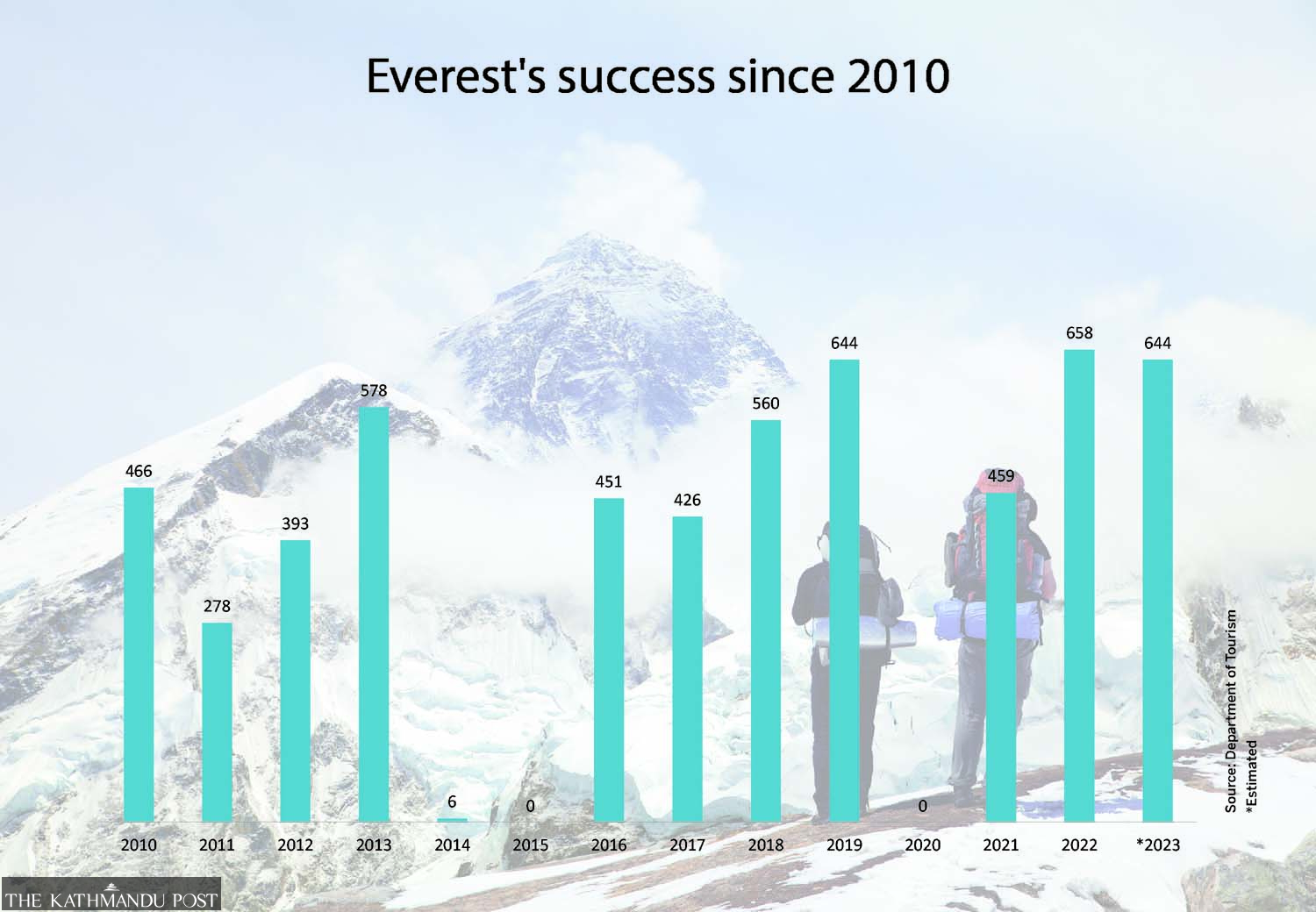
Fun fact: In 2023, Nepal issued a record 478 permits, generating nearly $5 million in revenue. That’s a lot of lukewarm instant noodles.
Gear: The Essential Bundle
You can’t just show up in your favorite hiking boots. Proper high-altitude gear—a down suit, double-plastic boots, crampons, and an oxygen mask—can easily set you back $7,000 to $15,000.
Most outfitters include rental gear, but you’ll want your own boots for a proper fit. Blisters at 8,000 meters are not a vibe.
And don’t forget the personal items: high-SPF sunscreen, a satellite phone, and enough energy bars to feed a small army. The little things add up faster than altitude sickness.
Logistics and Sherpa Support: The Real Heroes
This is where the budget gets spicy. A logistics package covering Sherpa guides, bottled oxygen, base camp cooks, and tent fees usually runs between $25,000 and $40,000.
Sherpas are the backbone of the industry. They set ropes, carry gear, and literally save lives—yet they earn a fraction of what Western guides make.
 How Long Does It Take to Climb Mount Everest? Find Out Now
Cultural respect: The term "Sherpa" refers to an ethnic group, not a job title. Many Sherpas consider this climbing work a deeply spiritual duty, tied to their Buddhist beliefs. They are not just porters; they are partners.
Hidden Costs and Surprise Fees
You will need insurance that covers helicopter evacuation and high-altitude rescue. That policy typically costs $500 to $1,000 for a single trip.
Then there are the "tips"—customary gratuities for your climbing team. Budget at least $2,000 to $5,000 for Sherpas, cooks, and base camp staff. It’s not just polite; it’s expected.
And let’s not forget the city costs: flights to Kathmandu, hotels, and that last nice dinner before you freeze your fingers off. Add another $1,000 to $2,000 for the journey there and back.
The Discount Route vs. The Luxury Experience
Feeling adventurous but broke? You can try a "budget" expedition for around $30,000. This usually means fewer oxygen bottles, older tents, and a longer climbing schedule.
On the flip side, luxury operators like Adventure Consultants or International Mountain Guides charge over $80,000. You get personal Western guides, satellite internet, and even fresh vegetables at base camp.
Fun fact: In 2021, a climber paid over $100,000 for a solo, unassisted summit attempt. He turned back at the Hillary Step. Money can’t buy oxygen above 8,000 meters.
Why So Expensive?
Every kilogram of gear—from a tent to a gas canister—is carried by yaks or porters for weeks. The Sherpa labor is both skilled and dangerous, commanding fair wages that reflect the risk.
 Cost Of Climbing Everest – Climb Everest 2025 – EFVGA
Then there’s the oxygen game. Bottled oxygen costs about $500 per bottle, and you’ll need at least four for summit day plus three for the descent. That’s $3,500 right there.
The entire operation is a logistical miracle involving helicopters, weather forecasts, and constant communication with base camp. You’re paying for a small army to keep you alive.
Practical Tips for the Dreamer
1. Start Saving Now
Put aside $200 a month for five years. That’s $12,000—enough for a basic permit and gear rental. It’s not impossible, just requires slow-and-steady discipline.
2. Research Outfitters Carefully
Check their safety record and Sherpa wages. Some companies cut corners, and that can cost you your life. Read reviews from summit veterans, not just Instagram hype.
3. Consider the "Shoulder Season"
Climbing in autumn (September to November) is less crowded and slightly cheaper. Permits drop to $5,500, but weather is more volatile. You trade cost for risk.
A Final Reflection for Your Living Room
Here’s the thing about Everest: the price tag is staggering, but the real cost is something else entirely. It’s the time away from family, the risk of frostbite, and the mental toll of staring death in the face at 28,000 feet.
Maybe you don’t need to summit Everest to feel alive. Climbing a local hill, trying a new hobby, or simply paying your bills on time—those are small Everest’s worth conquering every day.
Fun fact to bring it home: The amount of money spent on an Everest expedition could buy you 400 nice dinners out, 20 weekends at a spa, or one really good used car. Choose your peak wisely.