
So, you’ve got a cool million quid sitting in your bank account. Maybe you sold a revolutionary app, or you finally cracked the code on how to sell used carpets on eBay. Or, fun fact: one in ten people in the UK who reach this milestone got it through inheritance—so odds are your Great Aunt Gertrude just saved you from a lifetime of plotting. Congratulations. Now, the real question is: how do you stop this pile of cash from spontaneously combusting in a high-inflation fire?
First, Calm Down. You Are Not a Hedge Fund Manager
Your first instinct might be to buy a fleet of Lamborghinis and a solid-gold toilet. Resist. That toilet will just be cold and lonely, and frankly, gold plumbing is terrible for the environment. Instead, park your million somewhere safe while you plot your next move. A high-interest savings account or a Cash ISA is the financial equivalent of a crash helmet for your money—boring, but effective.
Fun surprise: the UK’s Financial Services Compensation Scheme covers up to £85,000 per bank. So, don’t put all your eggs in one basket—or better yet, split that million across twelve different banks. Yes, twelve. You’ll feel like a financial ninja with a dozen login passwords you will immediately forget.
Must Read
The Stock Market: Your New Best Friend (Who Occasionally Steals Your Lunch Money)
If you want your million to grow, you’ll need to flirt with the stock market. But do not buy random shares you saw mentioned on a Reddit forum full of people who call themselves “crypto-wolves.” Instead, invest in a globally diversified index fund—like a FTSE 100 or S&P 500 tracker. It’s basically buying a slice of every big company on Earth, so you win if the world doesn’t spontaneously implode.
Historically, the stock market returns about 7% per year after inflation. That means your million could turn into two million in about ten years—without you having to do any work. You could literally nap through a stock market crash and still come out ahead, as long as you don’t panic-sell your shares to buy an alpaca farm. Which brings me to...
Beware the "Side Hustle" Trap
Every bloke in a pub will tell you to “invest in property, mate.” But buying a flat in Swindon and renting it to students is not a job—it’s a part-time nightmare. The average landlord spends £12,000 a year on repairs, legal fees, and evicting a drama club that turned the bathroom into a hydroponic basil farm. Instead, consider Real Estate Investment Trusts (REITs)—they let you own property without ever fixing a leaky toilet. Your naps remain uninterrupted.
 Interest on 1 Million Pounds UK: How Much Can You Earn in 2026?
The Hedge Fund Fantasy (And Why You Should Run)
You might be tempted by a “specialist investment manager.” They’ll wear expensive suits, talk about “alpha” and “beta,” and charge you 2% annually to underperform a simple index fund. A shocking fact: 85% of professional fund managers cannot beat the market over a decade. So, paying some guy in a pinstripe suit to lose your money is like hiring a chef who only burns toast.
Save yourself the headache. If you absolutely must gamble, put 5% of your million into something ridiculous, like rare Pokémon cards or a single share of a company that makes flying cars. If it crashes, you’ve only wasted what you’d spend on a bad holiday to Benidorm. If it moons, you become the local legend who bought a Pikachu for a down payment on a house.
Tax: The Uninvited Guest at Your Millionaire Party
Here’s a grim truth: the taxman wants a piece. In the UK, selling assets that have gone up in value triggers Capital Gains Tax (up to 20%). But you can exploit your ISA allowance—you can put £20,000 per year into a Stocks and Shares ISA, and every penny of profit is tax-free. That’s £20,000 of your million hidden from HMRC’s beady eyes. Use it. Max it out every year like you’re packing a suitcase for a free holiday.
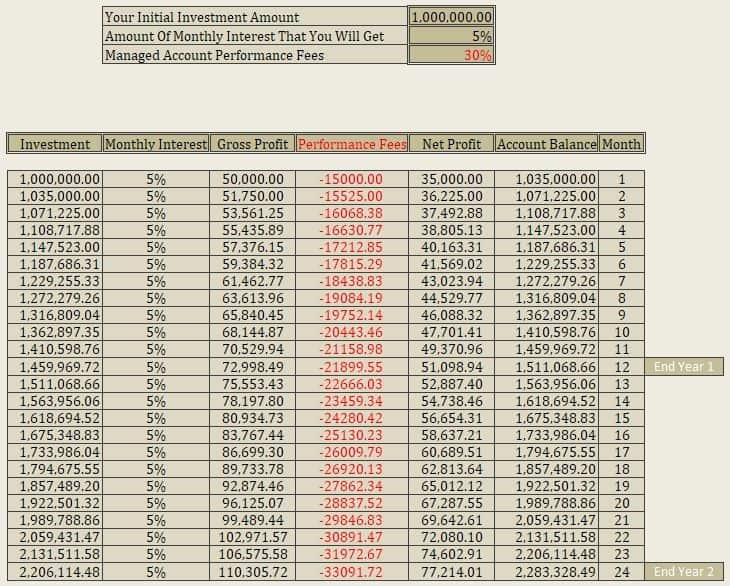 How to Invest 1 Million Pounds in the UK in 2023 - The Best Way?
Another playful trick: if you’re married, give your spouse some of the money. They have their own tax allowance, and you can “bed and spouse” your assets to the lower earner. It’s legal, romantic, and makes your accountant smile like a proud penguin.
The Final, Most Important Step: Actually Spend Some of It
You didn’t inherit a million just to live like a Dickensian miser. Spend 5% of it on something that brings you joy—a trip to Japan, a ridiculous kayak, or a lifetime supply of those fancy crisps you like. The rest can sit in your diversified portfolio, earning you a comfortable income forever. At a conservative 4% annual withdrawal rate (the “4% rule”), that’s £40,000 a year to do absolutely nothing or to start that alpaca farm you always wanted—just maybe lease the land, don’t buy it.
Remember: money is a tool, not a scoreboard. You’ve got one million British pounds. That’s not a job. That’s a ticket to a life where you can say “no” to things you hate. Make smart choices, laugh at the stock market fluctuations, and never, ever trust a man who introduces himself as a “quantitative analyst” at a dinner party. Now go forth, and may your portfolio be as lush as a British lawn after a rainstorm.