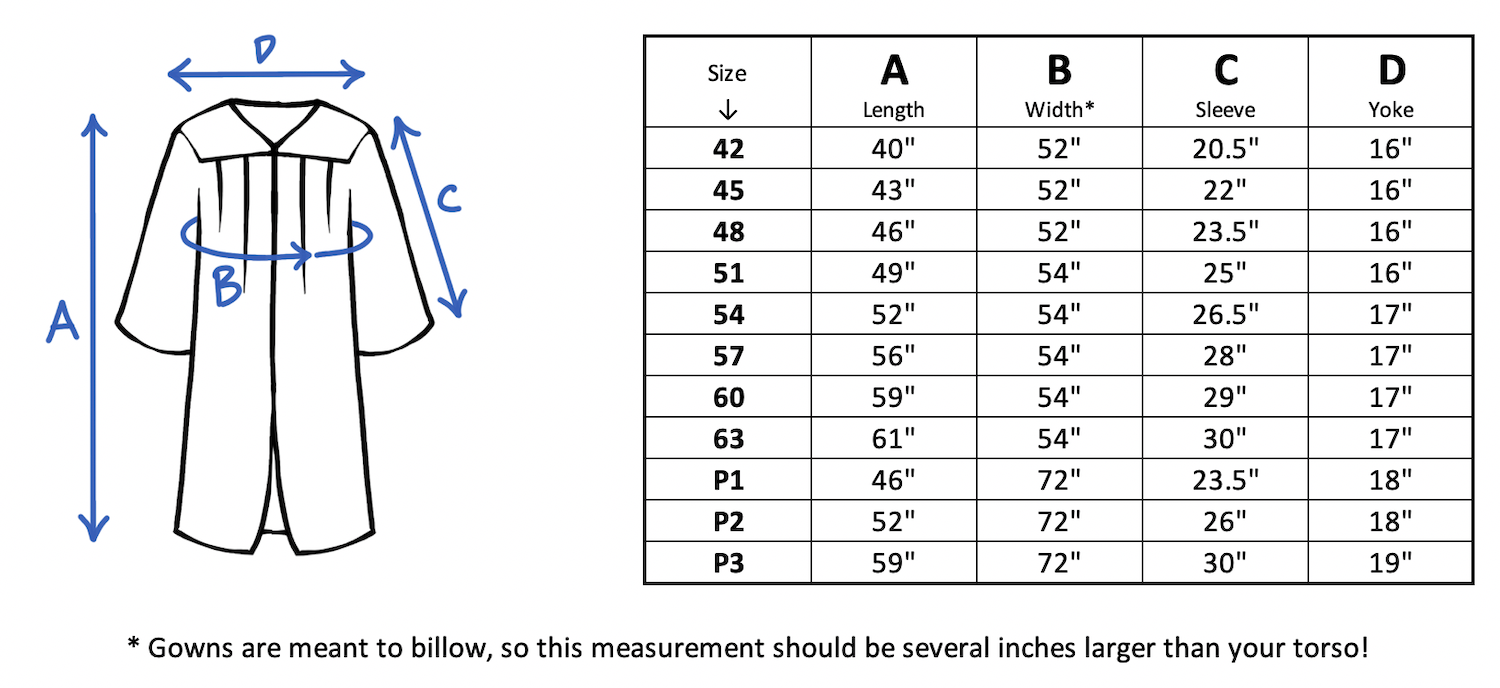
There’s a moment, right before the cap toss, when everything feels perfectly cinematic. But that moment can turn into a wardrobe malfunction if your gown looks like a tent—or worse, a crop top. Measuring for a graduation gown isn’t rocket science, but it is the difference between looking like a distinguished scholar and a runaway wizard from a budget Harry Potter film.
The Golden Rule: Height Over Weight
Forget the number on the scale; graduation gown sizing is all about vertical real estate. Most gowns are designed to drape from the shoulders, so your height is the only number that truly matters. Think of it like choosing a hoodie for a giant: you’re aiming for length, not a snug fit.
To get it right, stand barefoot against a wall—no shoes, no socks, no cheating. Use a book to mark the top of your head, then measure from that point straight down to the floor. This single measurement will unlock your gown size, typically labeled as “5’8”” or “6’0”” on the sizing chart.
Must Read
Pro tip: If you’re between two height options, always size up. A slightly longer gown can be hemmed or held, but a too-short gown makes you look like you’re attending a costume party for “Tiny CEO.”
Shoulders and Arms: The Hidden Trap
Here’s where the fun starts: the armhole. Gown sleeves are often giant, shapeless tubes, which is great for dramatic gestures but terrible for knocking over water bottles. Measure your shoulder width from the tip of one shoulder to the other, while wearing a dress shirt or a blazer you already own.
If your shoulders are broader than average, order the size up from your height-based suggestion. Otherwise, you’ll spend the ceremony doing a permanent T-Rex impression—arms stuck out, trying not to rip the seams. For narrow shoulders, the standard height size usually works, but check that the shoulder seam doesn’t droop past your actual shoulder bone.
Fun fact: In medieval universities, gowns were designed without armholes because scholars weren’t supposed to fidget. So, if you’re feeling trapped, you’re just historically accurate.
The Cap: It’s Not a Pizza Box
Your graduation cap, or mortarboard, is a square of pride and pain. Measure your head circumference about one inch above your eyebrows, right where a beanie would sit. Wrap a flexible tape measure around the widest part of your skull, and note the number in inches.
Most caps come in one-size-fits-most (typically 22 to 24 inches), but heads are not all created equal. If your measurement exceeds 24 inches, look for “extended size” caps online—they exist, and they won’t make you look like a mushroom. Never buy a cap without checking the inner band; some have adjustable strips or velcro, which save you from using bobby pins like a medieval crown.
Cultural nod: The cap’s square shape originally symbolized the stone tablets of the Ten Commandments. So really, measuring wrong is like misplacing divine wisdom.
The Tassel: A Tiny but Mighty Detail
The tassel hangs on the right side before the ceremony and flips to the left after you graduate. It’s a tradition that dates back to the 14th century, and it’s also the easiest thing to drop if your gown is too tight. Never adjust the tassel until the moment you’re told to—or risk social shunning from your entire class.
 Graduation Gown Size Chart Australia at James Silvers blog
To avoid drama, check that the tassel isn’t tangled in a seam or caught under the cap’s edge. Do a quick test shake of your head; if it doesn’t swing freely, you’ve got a problem. Think of it like a bridal bouquet toss—it’s all about placement.
The Gown Length: How to Avoid the “Broomstick” Effect
When you try on the gown, it should skim the floor, not puddle around your ankles. Ideally, the hem falls about one inch above the ground, so you can walk without tripping or collecting dust bunnies. If you plan to wear heels, wear them during the measurement—otherwise, your gown will look like a parachute for a hobbit.
Quick hack: Use a chair and a safety pin to temporarily hem the gown at home. Most gowns have a drawstring inside the neckline that shortens the length without cutting fabric. Pull it gently, and you’ll look like a tailored professional, not a kid playing dress-up in your grandparents’ curtains.
For men wearing suits underneath, add 1-2 inches to your height measurement to account for the jacket’s shoulder padding. For women wearing dresses, remember that the gown will cling to any fabric underneath—so choose underlayers that are smooth and simple.
Color and Wrinkle Control: The Final Touch
Your gown’s color likely matches your school, but don’t let a poor measurement ruin the hue. A gown that’s too small pulls at the shoulders, creating ugly stress lines that scream “I skipped measurements.” A gown that’s too big sags, making you look like you’re wearing a discarded canvas sail.
Wrinkle control is non-negotiable: hang the gown in the bathroom while you shower, and let steam work its magic. Avoid ironing directly—most gowns are polyester and will melt into a sad, shiny blob. Instead, use a steamer or wrinkle-release spray like it’s Holy Water for fabric.
Fun fact: In 2020, one university reported that 15% of graduates ordered the wrong size because they measured “post-pandemic weight gain” instead of current height. Don’t be that statistic.
Reflection: The Measure of a Moment
Measuring for a graduation gown feels like a small task, but it’s a ritual of attention. You’re taking a moment to align your body with a piece of cloth that symbolizes years of struggle, laughter, and late-night coffee. Getting it right means you can walk across that stage with your head held high—literally and figuratively.
In daily life, we often skip the measurements: we guess our way through challenges, hoping things will fit. But whether it’s a gown, a job, or a relationship, taking the time to measure—to check the fit—leads to fewer surprises and more grace. So grab that tape measure, stand tall, and remember: you’re not just sizing a garment; you’re sizing a milestone. Now go toss that cap with confidence.