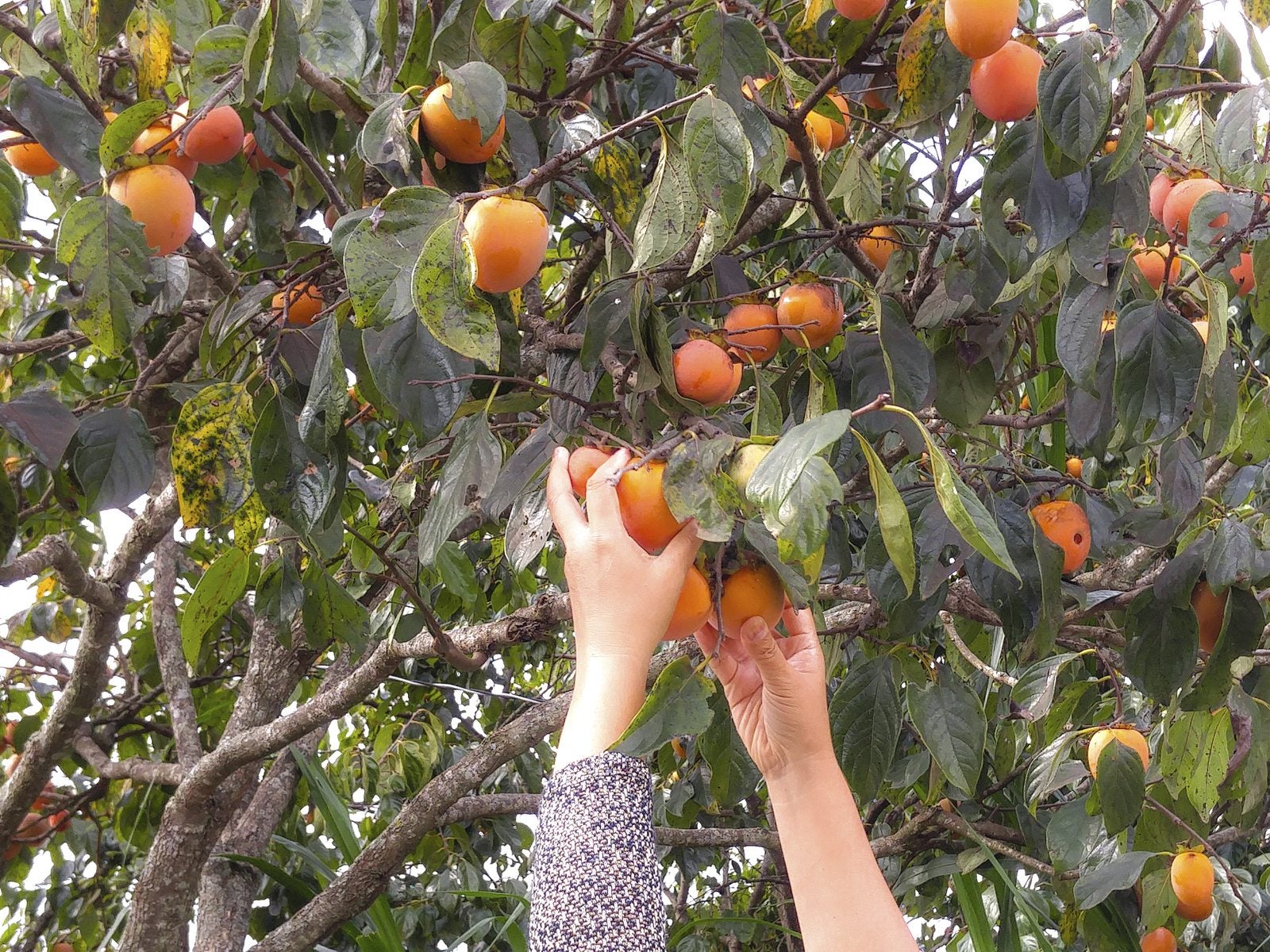
The first time I tried to eat a persimmon, I nearly called a plumber. I was sixteen, visiting a friend’s grandmother, and she handed me a gorgeous, sunset-colored fruit. I bit into it like an apple, and my mouth instantly felt like I’d licked a chalkboard dipped in sand. The woman just sighed, poured me a glass of milk, and said, “You never pick the pointy one.”
That day, I learned a valuable lesson: persimmons are not a fruit you can just wing. They have a secret language, and if you don’t listen, your taste buds will file a formal complaint. So, let’s decode that language together—sans the chalky regret.
The Two Faces of the Persimmon
First, you need to know who you’re dealing with. There are two main types: the Fuyu and the Hachiya. Fuyus are squat, like a bright orange tomato, and they’re the sweet, crunchy workhorses. Hachiyas are the long, pointy ones—the drama queens of the persimmon world.
Must Read
If you mistakenly bite into a firm Hachiya, you will instantly regret every choice that led to that moment. The tannins are brutal. It’s a survival mechanism on the tree’s part, but it feels personal.
How to Pick a Fuyu (The Safe Bet)
Color is your first clue. You want a Fuyu that looks like a traffic light that’s stuck on “Go.” A deep, rich orange—almost glowing. If it’s pale yellow or greenish, it’s going to be bitter and hard as a rock. Leave that one for the squirrels.
Now, feel it. A perfect Fuyu should be firm, like a ripe avocado you’d slice for toast—not hard, but not squishy. Give it a gentle squeeze; if it yields just a little, it’s ready to eat like an apple. If it feels like a baseball, it needs a few days on the counter. (Side note: never put a Fuyu in the fridge until it’s fully ripe. They hate the cold.)
Check the calyx—that green leaf collar on top. It should be fresh and attached, not dry or crumbling. A crumbly calyx is nature’s way of saying, “This fruit has been around the block too long.”
 Premium Photo | Man's hand picking a persimmon to be harvested from the
How to Pick a Hachiya (The Daredevil’s Choice)
Hachiyas are for the brave. You cannot eat a Hachiya until it is nearly liquid on the inside. Think of it as a soft, jiggly jelly bladder in a thin skin. If you pick one that’s too firm, you will become medieval torture enthusiast for a few minutes.
The trick? Don't even look at the color—wait for the feel. It should be so soft you suspect it might burst if you sneeze. I’m talking “mushy banana” level. Give it a gentle press; if your finger leaves a deep indentation, you’re golden. If it feels like a raw potato, run.
Pro tip: if you find a rock-hard Hachiya at the store, buy it anyway. Put it in a paper bag with a banana. The banana will gas it into submission, turning it into pudding in about three days. Check it daily, or you’ll wake up to a sticky orange explosion.
When You Can’t Decide: The “Shake Test”
This is my favorite party trick. Hold the persimmon up to your ear and give it a gentle shake. If it’s a Hachiya, you should hear a slight sloshing sound—that’s the pulp moving around. A silent Hachiya means it’s not ready. (A silent Fuyu means it’s ready, because Fuyus don’t slosh. They are polite fruits.)
 When and How to Harvest Persimmons | Gardener’s Path
What to Avoid at All Costs
Bruises and cracks. A persimmon with a black spot isn’t “rustic”—it’s sad. And any crack in the skin is an open door for bacteria. Also, avoid fruits that look wrinkly unless you’re specifically hunting for dried persimmons. A wrinkly fresh persimmon is just a dehydrated disappointment.
And finally, a warning about the tannins: even a slightly unripe Hachiya can leave your mouth feeling like a desert. If you eat one and your tongue goes numb, don’t panic. Eat some cheese or bread. The fat binds to the tannins. Or just cry into a glass of milk, like I did.
The Wild Card: “Fuyu-style” Hachiyas
Here’s a weird truth: you can actually eat a green, crunchy Hachiya if you slice it thin and dip it in salt or soy sauce. It’s a thing in some Asian cuisines. The salt neutralizes the tannins on your tongue. It’s a criminally good snack, but it’s not for beginners. Try it only if you’re feeling adventurous and have a saline drip nearby.
But for 99% of us, just stick to the ripe, orange Fuyu. Eat it raw, toss it in salads, or bake it into a cake. Life is too short for dry, chalky regrets.
Now go pick one. And for the love of all that is good, don’t bite the pointy one.