
Let’s be honest: buying raw frozen shrimp is like signing a contract with your future self. You’re saying, “Someday, I’m gonna be that person who whips up a fancy dinner in ten minutes.” And you can be that person, provided you don’t treat the shrimp like a science experiment. It’s really just a matter of not panicking and not overcooking them into rubbery little commas.
The Thaw: A Lesson in Patience (or a Race Against Hunger)
You’ve got a bag of shrimp the size of a brick. Your first instinct might be to run it under hot water. Stop right there. That’s like trying to defrost a windshield with a blowtorch. You’ll end up with the outside cooked and the inside still icy, which is the shrimp equivalent of a sunburned snowman.
The best way is the boring way: overnight in the fridge. Put the bag in a bowl (in case it leaks, because it will), and forget about it. It’s the same magic that turns your leftovers into tomorrow’s lunch. You wake up, and bam—shrimp that are soft, pliable, and ready to rock.
Must Read
If you’re in a hurry (and let’s face it, you’re probably hangry), use the cold water method. Seal the shrimp in a zip-top bag, submerge it in a bowl of cold tap water, and change the water every 10 minutes. It takes about 20 minutes. That’s exactly one rewatch of a cat video montage. Do not cheat with warm water. I know you’re tempted. Don’t.
Peeling: The Real Test of Character
Once thawed, you’re staring at a pile of little armored sea bugs. You’ve got options. You can buy them already peeled and deveined, which is like paying extra for a seatbelt—worth it for the peace of mind. Or you can go full caveman and do it yourself. That’s when you learn who you really are.
To devein a shrimp, look for the dark line running down its back. That’s the digestive tract. It’s not poison, it’s just… yesterday’s plankton. Use a paring knife to make a shallow slit, and scrape it out with the tip. Some people say to leave it for flavor. Those people are outliers, and I don’t trust them.
A pro tip: keep the tails on for the first bite. It’s like a little handle. Unless you’re making a creamy pasta where you’d rather not fish out tails like tiny treasure chests. Then take them off. You’re the boss of your dinner.
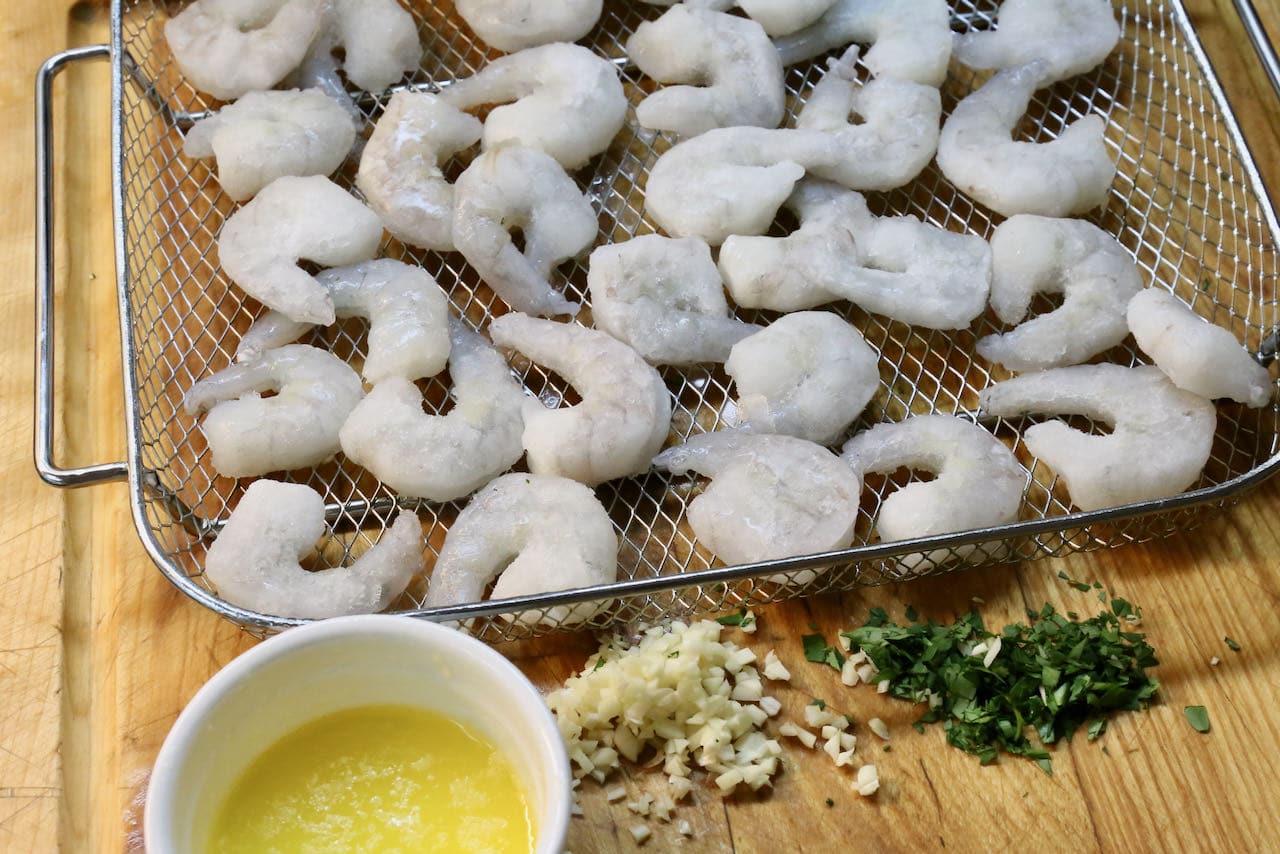 How To Cook Frozen Uncooked Shrimp - Recipes.net
The Cooking: Less Is More, Especially with Heat
Here’s the universal truth about shrimp: they cook in roughly the time it takes to tell a bad joke. About 2-3 minutes per side. The moment they curl into a tight C shape and turn opaque pink, they are done. If they curl into a tight O, you’ve overdone them. That’s the “O” of regret.
For a quick sauté, get a pan screaming hot. Add a splash of olive oil and a clove of garlic (mashed, not minced like a fancy chef). Toss in the shrimp. Listen for that sizzle—that’s the sound of victory. Season with salt, pepper, and a squeeze of lemon. That’s it. Don’t add fifteen spices; you’re not a potion master.
I once tried to grill frozen shrimp without thawing. The outside charred, the inside was raw, and I ended up eating a bowl of cereal in shame. Learn from me. Thaw first, then pat them bone-dry with a paper towel. Wet shrimp steam; dry shrimp sear. Wet shrimp are sad. Dry shrimp are gold.
When It All Goes Pear-Shaped (And How to Fix It)
You’ll overcook them eventually. We all do. That first time, you’ll serve rubbery shrimp and your kid will say, “These taste like tires.” You’ll nod, because they’re right. The fix? Chop them up super fine and mix them into a salad or a fried rice where texture takes a backseat to flavor. It’s the shrimp version of hiding your mistakes under a rug.
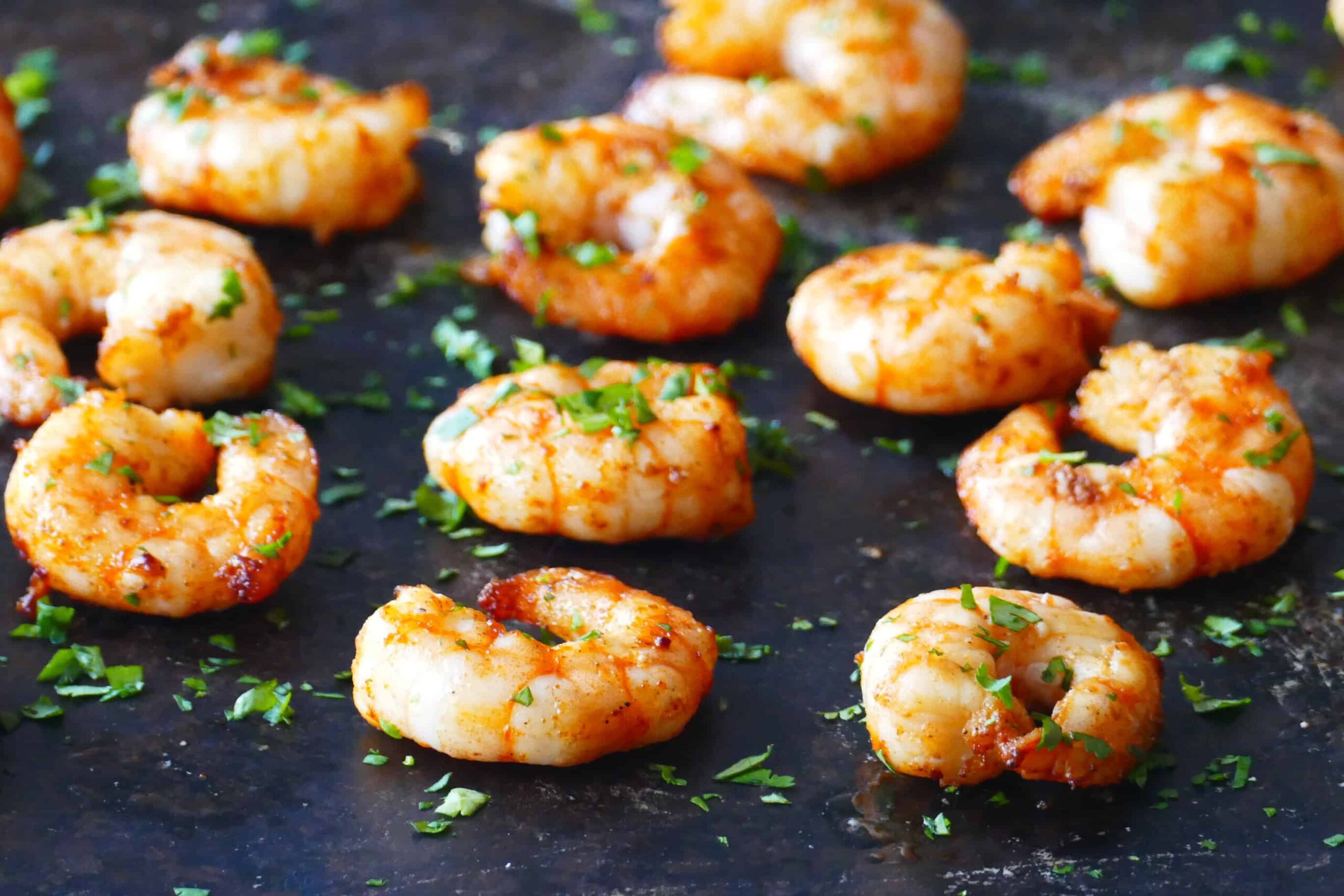 How to Cook Raw Frozen Shrimp Perfectly Every Time - One For All
Another common disaster: the shrimp are still frozen in the center after cooking. This happens when you’re impatient and cook them from frozen. Panic not. Microwave them in 10-second bursts, or add a splash of broth and cover the pan to steam them through. It’s not elegant, but it’s dinner.
And please, for the love of all that is crustacean, do not boil them in plain water. That’s how you get shrimp-flavored water and bland shrimp. Use a seasoned broth, or better yet, just sauté them. Boiling is for eggs and regret.
The Payoff: You Did It
Now you’ve got perfectly cooked shrimp. They’re sweet, snappy, and slightly salty. Throw them on a salad, into tacos, or just eat them over the sink like a feral animal. No judgment. You earned it. The whole process, from frozen bag to plate, is about fifteen minutes of actual effort. That’s less time than it takes to decide what to watch on Netflix.
So go ahead. Buy that bag of frozen shrimp. You’re not committing to a complicated recipe—you’re committing to a quick, delicious win. And if you mess up, just remember: cereal is always there for you. But the shrimp will be too, once you get the hang of it.