
So, you’ve decided to cook tripe. Maybe you saw a glowing review online, or your adventurous uncle dared you. Whatever the reason, you’re now staring at a slab of what looks like a discarded doormat from a medieval castle. Don’t panic. I’ve been there, and I promise you’re not alone.
First, let’s get one thing straight: tripe is the stomach lining of a cow. Yes, a stomach. But think of it as the most underappreciated piece of meat in the butcher’s case—like the weird cousin at a family reunion who turns out to be the most interesting person in the room. You just need to give it a bath. A very, very long bath.
The Great Soak-Off
Your tripe will likely come bleached and partially cleaned, but it’s still got some “character.” Rinse it under cold water like you’re washing a muddy boot. You’ll see little honeycomb pockets—that’s the texture, not dirt. Embrace it.
Must Read
Now, fill a big bowl with cold water and a generous splash of vinegar or lemon juice. Submerge the tripe and let it soak for at least an hour. This is the “de-stinking” phase. You’ll notice the water turns slightly cloudy, like a pond after a frog did a cannonball. Change the water once or twice if you’re feeling fancy.
After the soak, give it another rinse. The tripe should smell neutral now, like wet cardboard. If it still smells like a barn, repeat the soak. Your kitchen will not thank you, but your future self will.
The Boil That Rebounds
Tripe is tough. It’s the Chuck Norris of offal. You can’t just sauté it and hope for the best. You need to parboil it. Place the tripe in a big pot, cover it with fresh water, and add a few bay leaves, a handful of peppercorns, and a half-onion (don’t chop it—just toss it in like a grenade). Bring it to a rolling boil, then drop the heat to a gentle simmer.
Let it bubble away for two to three hours. Yes, hours. This is not a quick lunch; it’s a slow dance. The tripe will soften and become pliable, like a leather belt that’s been left in the rain. Skim off any grey foam that rises—that’s leftover spleen drama from the cow’s previous life.
After three hours, drain it and let it cool. You’ll notice the texture is now almost like a firm sponge. Perfect. At this point, you can slice it into strips or cubes, depending on your recipe.
 How to Cook With Tripe: 8 Traditional Tripe Dishes
The “One More Thing” Step
Here’s the secret that turns a good tripe dish into a great one: blanch it again after slicing. Why? Because tripe is like a grumpy teenager—it needs a second rinse to get rid of the last bit of attitude. Drop the slices into boiling water for 10 minutes, then drain and pat dry.
Now you can cook it properly. Sauté it in butter with garlic, or throw it into a stew with tomatoes and chorizo. The tripe will absorb flavors like a sponge, so don’t be shy with spices. It loves cumin, smoked paprika, and a splash of wine. Think of it as a flavor vampire.
I once made a tripe curry that my neighbors sniffed out from two doors down. They didn’t know what it was, but they raved about the “mysterious, rich stew.” I never told them the truth. Some friendships are built on delicious secrets.
The Texture Talk
Let’s address the elephant in the room: tripe is chewy. Not gum-achingly tough, but definitely al dente. It should give a little resistance when you bite, like a well-made marshmallow or a rubber duck that’s been boiled (don’t ask). If it’s rubbery, you didn’t boil it long enough.
My first tripe attempt was like chewing on a tire. I panicked, threw it into a pressure cooker for another hour, and it came out like silky noodles. Pressure cookers are your best friend here—they turn a three-hour simmer into a 45-minute express train.
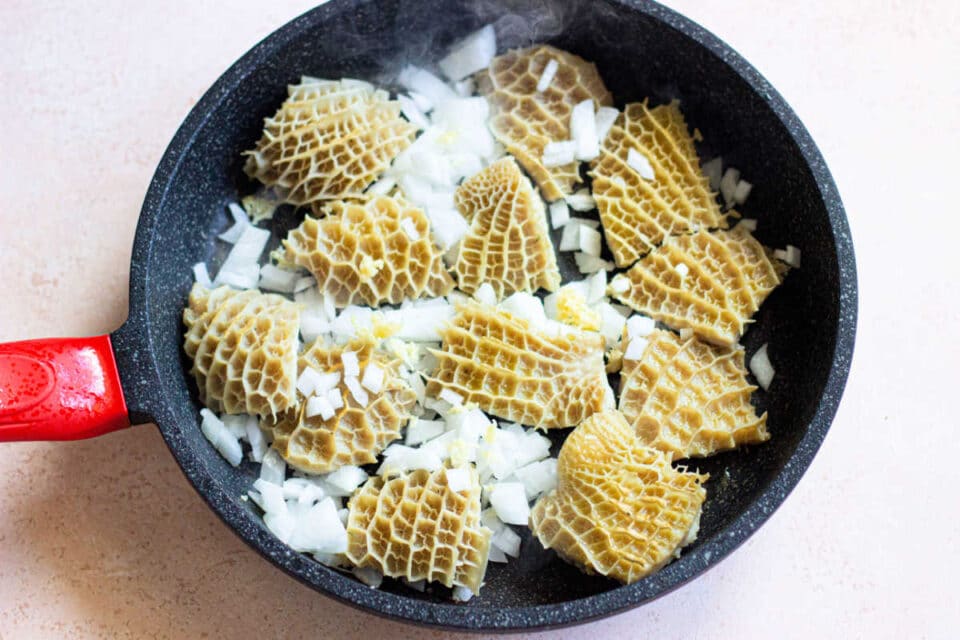 How to Cook Tripe on Stove - How to Cook Beef Honeycomb Tripe
Remember: Underdone tripe is a tragedy; overdone tripe is just… stew. So err on the side of longer cooking. Your jaw will thank you.
Final Tips from a Recovering Tripe Skeptic
Buy your tripe from a reputable butcher who sells it fresh. Frozen tripe is fine, but it sometimes has a faint freezer-burn taste, like cold regret. Also, look for honeycomb tripe—it’s the gold standard for stews and soups. Avoid the smooth kind unless you’re making a really bland carpet.
If you’re still nervous, start with a recipe that uses spicy broth or tomato sauce. Those bold flavors are like bodyguards for tripe—they hide any weirdness and make everyone feel safer. I recommend Menudo (Mexican soup) or Trippa alla Romana (Italian style with tomatoes and mint).
And finally, embrace the weirdness. Cooking tripe is a badge of honor. It says, “I am not afraid of the offal parts of life.” Plus, when you serve it, you’ll get to watch your friends’ faces go from “What is this?” to “Wait, this is actually good!” That moment of culinary victory is priceless.
So go ahead. Soak, boil, blanch, and cook. Your stomach (and your adventurous streak) will be rewarded. Just don’t forget to open a window—or two.