So, you’ve got an egg. Is it a breakfast hero or a science experiment? Let’s find out, because nobody wants a rotten egg ruining their Sunday morning. We’re going to crack this mystery wide open (pun intended).
The Great Egg Float Test
This is the classic trick. Fill a bowl with cold water and gently drop your egg in. Watch closely—this is where the drama unfolds.
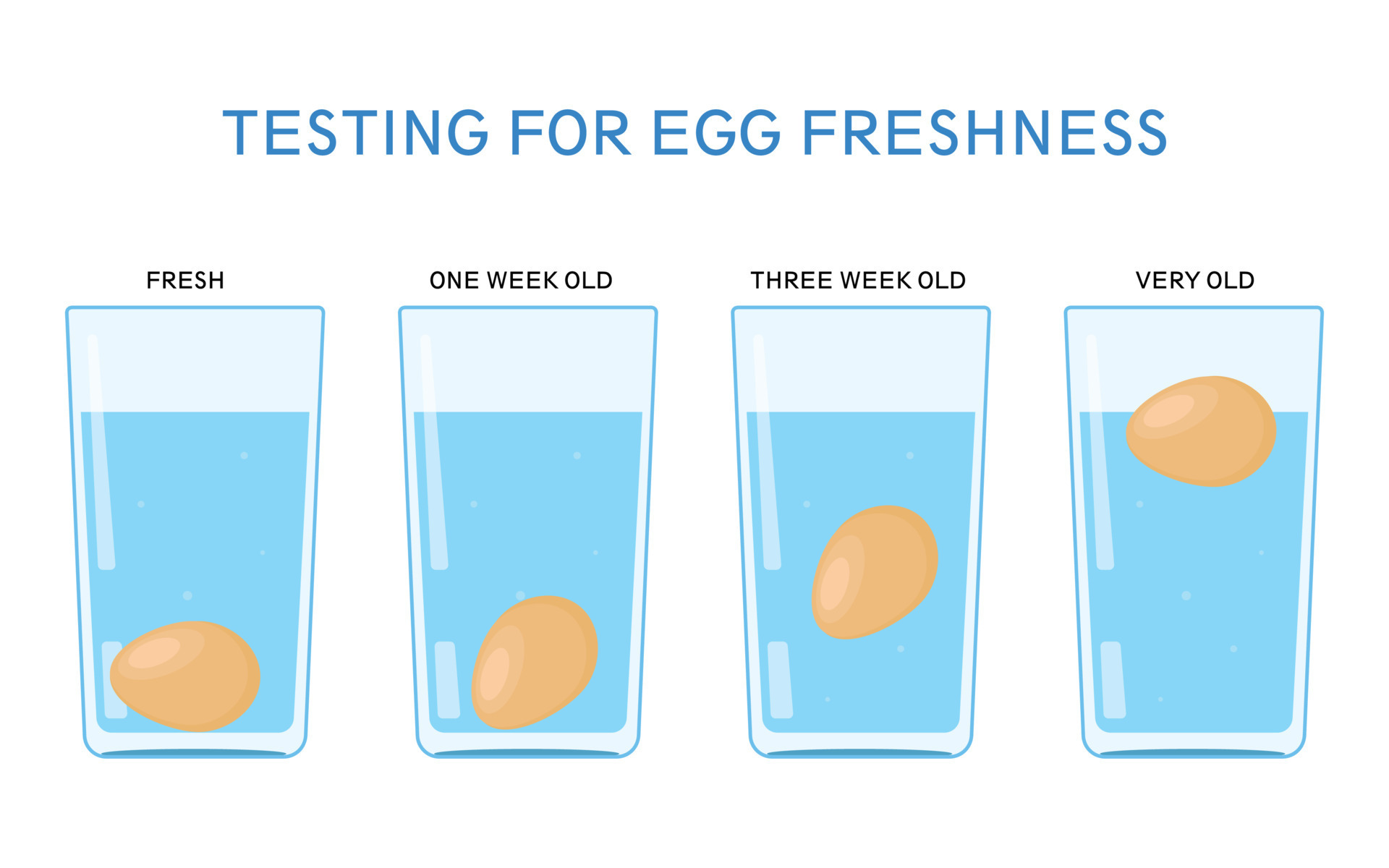
A fresh egg will sink like a rock and lie flat on its side. It’s heavy, dense, and full of liquid life. But an older egg? It will stand up on one end, like a tiny submarine periscope.
Must Read
If it floats to the top? Abandon ship! That egg is officially a fossil. Toss it. The science? Eggshells are porous. As the egg ages, it loses moisture, and air seeps in. More air = more float.
Shake, Rattle, and Roll
Hold the egg up to your ear. Give it a gentle shake. Listen closely. A fresh egg will be silent as a ninja. The yolk is snug and secure inside.
But if you hear a slosh or a rattle? That’s the sound of regret. The yolk has shriveled, and the white has thinned. It’s not dangerous yet, but it’s past its prime.
Think of it like a handshake. A firm, steady egg is polite. A loose, jiggly egg is awkward. You don’t want that in your omelet.
The Peek-a-Boo Shell
Look at the shell closely. Don’t just glance. A fresh egg has a slightly dusty, matte finish. It’s like the skin of a ripe peach.
An older egg becomes shiny and smooth. That’s because the protective cuticle wears off. If you see cracks or white lines? The egg is already past its prime. Throw it out.
A fun fact: Brown eggs and white eggs are exactly the same on the inside. The color is just the chicken’s “makeup.” The shell’s texture, however, tells the real story.
The Candling Trick (No Candle Required)
Chefs use a bright light to check eggs. You can too. Hold the egg up to a strong flashlight or a bright window. Look into the light.
 The Egg Float Test: A Simple Way to Check the Freshness of Your Eggs
A fresh egg will look clear and uniform. The yolk will be a faint, dark shadow in the center. If you see big air pockets or the yolk looks like a flat blob? It’s getting old.
This method is how farmers used to do it, back when candles were the only light source. It’s a tiny bit of ancient egg magic in your kitchen.
The Smell Test (The Ultimate Judge)
This is the most reliable test. If you doubt the egg, crack it into a separate bowl. Put your nose right over it.
A fresh egg smells like nothing. Or maybe like a gentle, clean air. A bad egg? It smells like rotten sulfur. It’s a smell that will make your brain scream, “No!”
Trust your nose. It evolved for millions of years to detect exactly this kind of danger. Your nose is a superhero. Let it be the final word.
Yolk and White Quality
Look at the cracked egg. A fresh yolk stands tall and proud. It’s a perfect dome. The white is thick and holds together, not spreading too far.
An older egg has a flat, pancake-like yolk. The white is watery and spreads all over the bowl. It’s still edible, but it’s getting tired. Think of it as a lazy egg.
The perfect egg white has two layers: a firm inner white and a runny outer one. A super fresh egg shows this clearly. An old egg just gives up on structure.
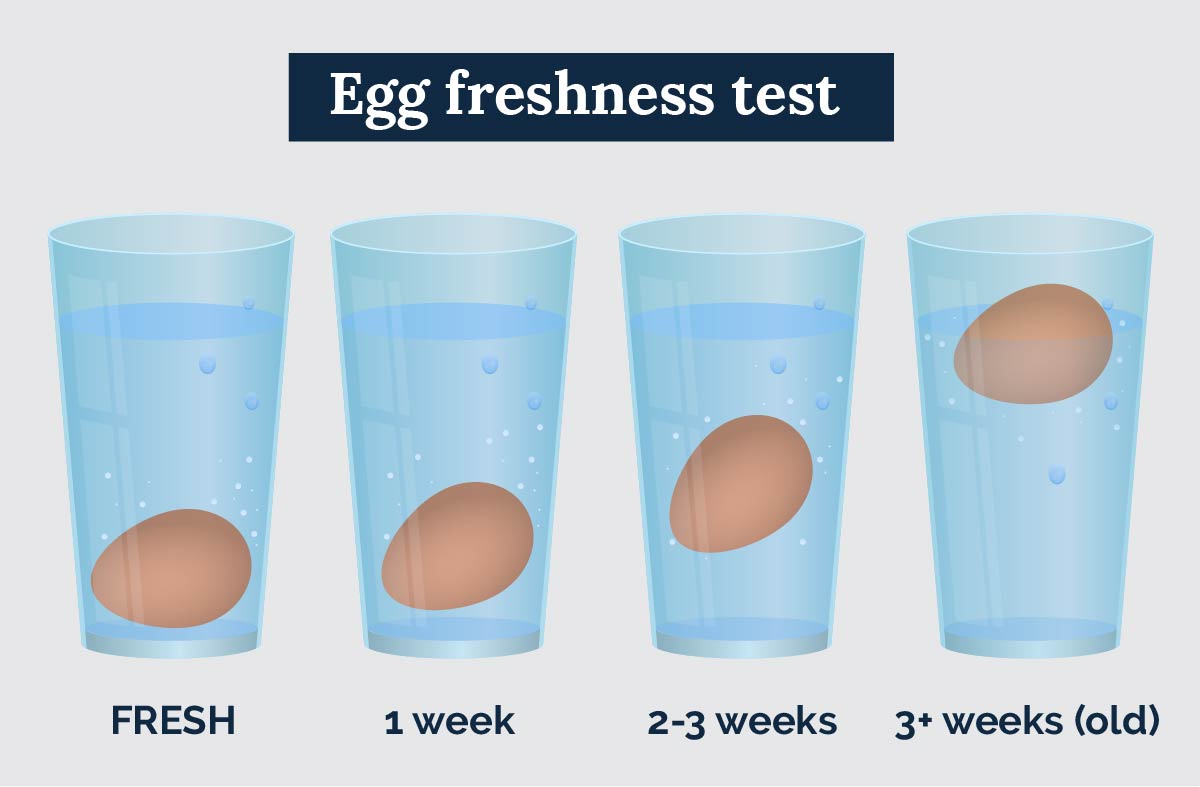 Testing Eggs In Water For Freshness - legly
Why This Matters (And Why It’s Fun)
Knowing if an egg is fresh isn’t just about safety. It’s about flavor and performance. A fresh egg makes a poached egg that’s a work of art—tight, round, and glorious.
An old egg makes the white spread into ugly, wispy strings. It’s like trying to build a sandcastle with wet toilet paper. Disappointing. For baking? Fresh eggs give cakes and meringues more height. They’re the secret weapon.
Fun fact: An egg is basically a dinosaur egg in miniature. Chickens are the closest living relatives to the T-Rex. So every time you test an egg, you’re channeling a little Jurassic Park energy.
The Date Codes Are Lying
Don’t trust the carton date blindly. Eggs can stay fresh in your fridge for weeks past that printed number. The “sell-by” date is for the store, not for you.
The real trick is the Julian date (a three-digit number on the carton). It tells you the day of the year the egg was packed. January 1 is 001. December 31 is 365. It’s a secret code only egg nerds know.
Now you’re an egg nerd. Welcome to the club. We have badges, and they are shaped like, well, eggs.
One Last Weird Trick
Want to know the exact age? Submerge the egg in water. Measure how far it tilts. A tilted egg is about one to two weeks old. A floating egg is over a month.
This works because the air cell inside the egg grows bigger every single day. It’s like a tiny, edible calendar. Your fridge is a slow-motion egg museum.
So go ahead, be weird. Test your eggs. Talk to them. They can’t hear you, but your friends will think you’re a kitchen wizard. And the best part? You’ll never bite into a rotten surprise again. Game on.