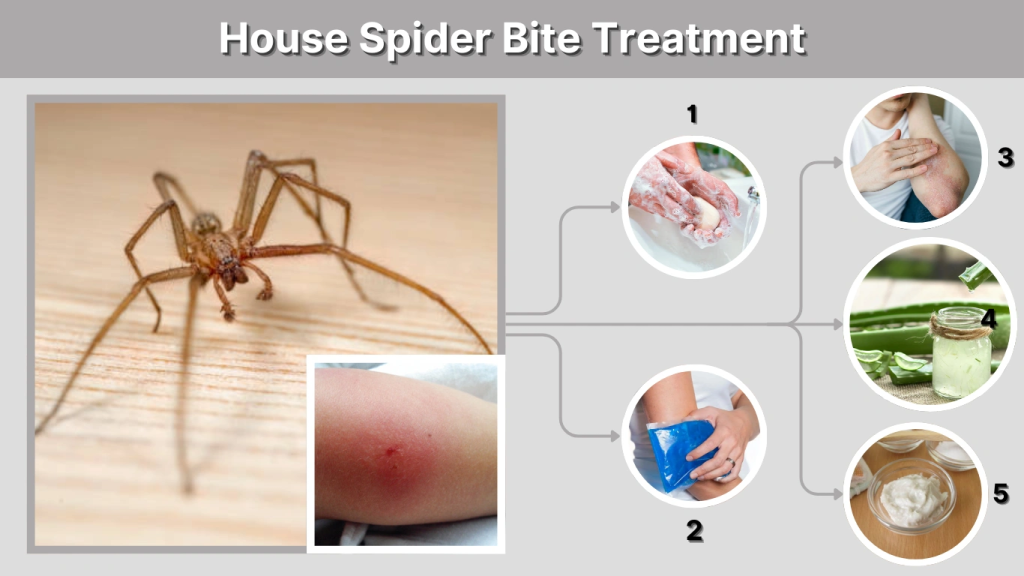
So, you’ve been bitten by a spider. First off, congrats on achieving a primal human fear that’s way more common in our heads than in reality. Unless you live in Australia, most spiders are basically tiny, eight-legged introverts who just want to be left alone. But occasionally, one mistakes your toe for a branch, and chaos ensues. Let’s pretend you’re fine—stop Googling “is this bite fatal?” for five seconds—and talk about what to actually do.
Step One: Don’t Panic. Seriously, Stop.
Panic is the only thing that makes spider bites worse. Unless you saw a black widow do a victory dance on your arm, the odds are laughably in your favor. Fun fact: of the 40,000 spider species on Earth, only about 25 pose any real threat to humans. The rest are just delivering a tiny, emotional “NOPE” via fangs. Take a breath. You’re not dying. You’re just mildly annoyed.
But What If It Was a Venomous One?
Even if it was, your body already started fighting back the second it happened. Most bites from “dangerous” spiders like black widows or brown recluses cause symptoms that are nasty but rarely fatal for healthy adults. You’ll feel like you lost a bar fight with a flu bug, not like you’re starring in a horror movie. So, if you’re dizzy, cramping, or the bite turns into a purple bullseye, see a doctor. For everything else, we have tongs, soap, and ice.
Must Read
The First 30 Minutes: Wash and Obsess
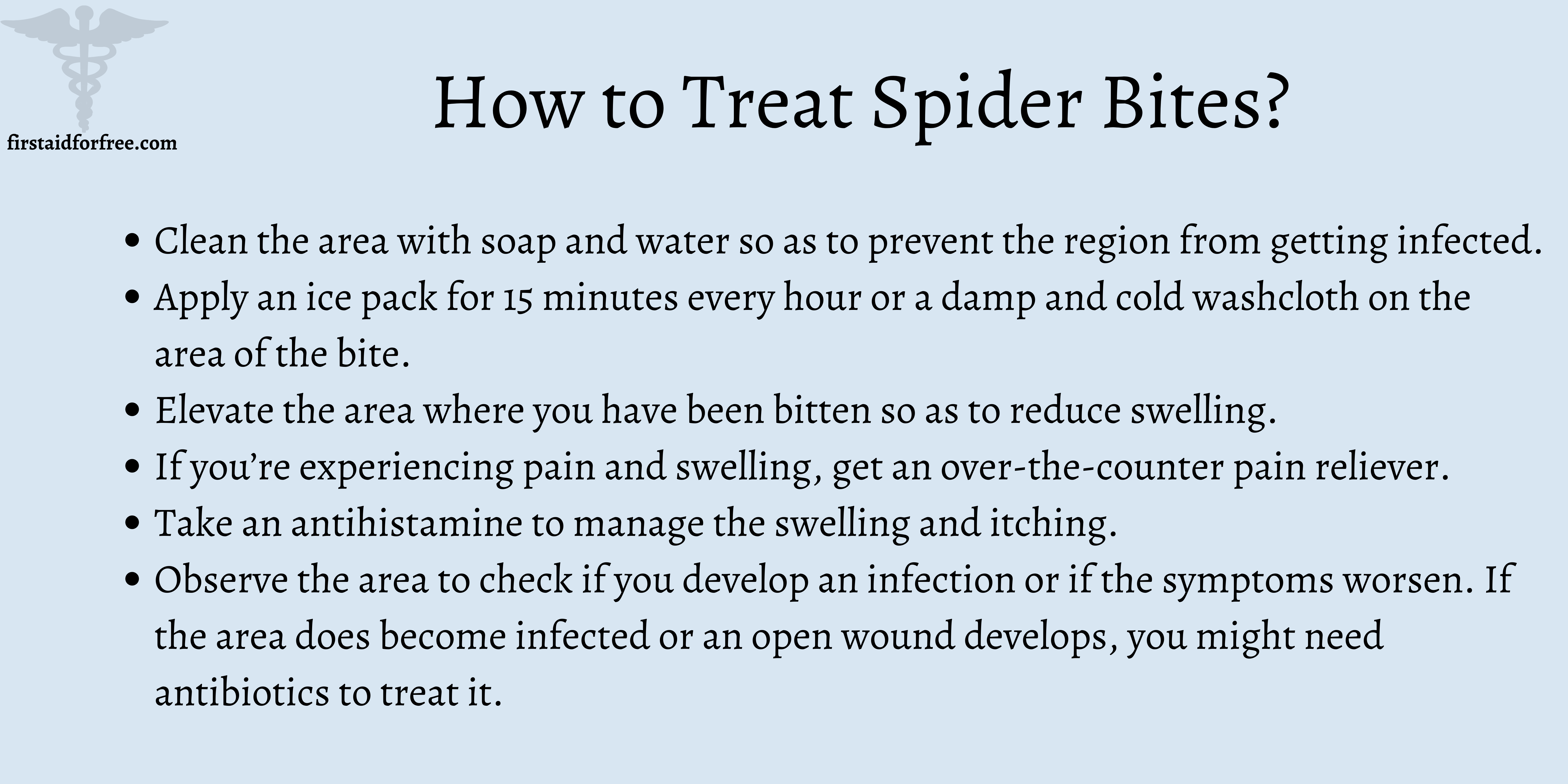
Immediately wash the bite with mild soap and warm water. This removes any bacteria your spider buddy left behind as a parting gift. Then, obsess—but in a productive way. Grab a pen and draw a line around the redness. If the red area spreads past that line in the next hour, you’ve got a growing infection. If it doesn’t, you’ve just performed science without a lab coat. Feel smart.
Ice, Baby: The Universal Antidote
Wrap an ice pack (or a bag of frozen peas—no judgment) in a thin cloth and press it on the bite for 10 minutes. Do not apply the ice directly to skin unless you enjoy the sensation of freezer burn. Ice reduces swelling, numbs the sting, and gives you something to hold while you curse the spider’s ancestors. This step works 90% of the time for any local reaction. The other 10% is waiting for Benadryl to kick in.
The Elevation Tactic (And Why It Works)
If the bite is on your arm or leg, elevate it above your heart. This isn’t some ancient witch remedy—it uses gravity to help drain inflammatory fluids away from the bite. Propping your leg on a pillow while watching TV counts as treatment. See? Self-care can be lazy. Do it for 20 minutes, then check if the swelling has plateaued. If it hasn’t, repeat until your limb stops looking like an inflated balloon animal.
 Spider Bite Treatment 6 Home Remedies To Try Thegearhunt
What NOT to Do: A Short List of Bad Ideas
Whatever you do, do not cut into the bite. You are not a pirate surgeon, and “bleeding out the venom” doesn’t work. Also, skip sucking out the venom with your mouth—that’s a myth from 1830s cowboy fiction. Finally, leave the blowtorch in the garage. Heat makes certain toxins (like from the brown recluse) spread faster. You’re treating a bite, not roasting a marshmallow.
Over-the-Counter Hero: Antihistamines and Pain Meds
Take an oral antihistamine like Benadryl if you’re itchy. It blocks the histamine parade that makes your skin feel like a thousand tiny ants are tap-dancing. For pain, ibuprofen or acetaminophen is fine. Avoid aspirin, as it can thin your blood and make bruising worse—nobody wants a spider bite that also looks like you lost a fistfight. For topical itch, calamine lotion or hydrocortisone cream are the unsung heroes of the medicine cabinet.
The “Wait and Watch” Game
Now you play the world’s most boring board game: Wait and Watch. For the next 24 hours, monitor the bite for signs of infection: increasing heat, oozing green or yellow goo, or red streaks traveling up your limb like a tiny railroad map. That’s a ticket to your doctor’s office. But most bites just get a little red, a little puffy, and then surrender after two days. You’ll be fine. Your dignity might not be, but your skin will heal.
 Spider Bite Treatment at Home: Step-by-Step Guide
Surprising Fact: Most “Spider Bites” Aren’t Spider Bites
Here’s the plot twist: up to 80% of what people call spider bites are actually staph infections, allergic reactions, or bites from other insects like fleas or mosquitoes. Doctors call them “spider bites of unknown origin.” That’s code for “we have no idea what bit you, but you feel better blaming a spider.” So don’t be shocked if your home remedy works—it’s probably just an angry pimple with a PR problem.
When to Call a Professional (Real Talk)
Call a doctor if you have trouble breathing, the bite is on your face or neck, or you develop a fever over 101°F. Also call if you suspect a black widow (muscle cramps, sweating, “I feel like I got hit by a truck”) or a brown recluse (the bite turns into an open, painful sore that won’t heal). These are rare, but they’re the exceptions to our home-remedy party. For the other 99% of bites, you’ve got this. You’re basically a wilderness medic now.
The Final Word: You’ll Survive, and So Will the Spider
That spider is now living in your wall, traumatized by the encounter, plotting its revenge on a tiny scale. Meanwhile, you’ve mastered the art of the ice pack and the pen circle. You’re both fine. So take a deep breath, slather on some cortisone, and go back to your life. Just maybe check your shoes before putting them on tomorrow. You’ve been warned.