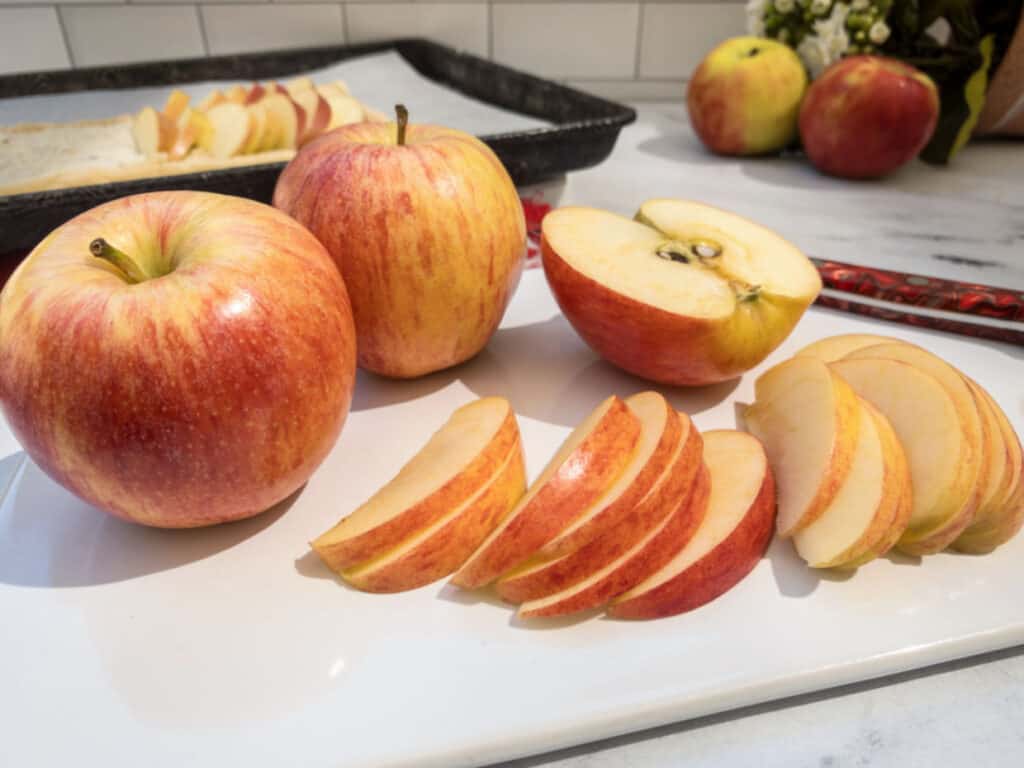
So, you’ve got a Gala apple staring at you from the fruit bowl. It’s sweet. It’s crisp. But is it actually any good for baking? You’re about to find out—and trust me, it’s a wilder ride than you’d expect.
First, let’s get the gossip on Gala. This apple is the cool kid of the orchard. It’s the one everyone loves to eat raw. But when you toss it into a hot oven? That’s where the drama begins.
The Meltdown Factor
Here’s the truth: Gala apples break down fast. Like, embarrassingly fast. They turn into a soft, sugary mush faster than you can say “apple pie.”
Must Read
Imagine a Gala in a pie. It’s not holding its shape. It becomes a saucy mess. That’s perfect for applesauce. For a pie that needs distinct chunks? Not so much.
Think of it this way: Gala is the party guest who dances too hard and leaves early. Fun, but unreliable for a long event.
What About the Flavor?
Oh, the flavor is lovely. Galas are sweet—almost honey-like. They don’t have that sharp, tangy zing that some bakers crave.
When you bake a Gala, the sweetness intensifies. It can make your dessert taste like candy. That’s fine, if you’re into pure sugar bombs.
But here’s the quirky fact: Galas are low in acidity. Acidity is what balances sweetness in a good bake. Without it? Your dessert might feel one-note—like a song with only the high notes.
The Texture Test
Let’s talk texture. Raw Gala is a crunch champion. It’s perfect for lunchboxes. But baked? It turns into fluffy clouds.
That fluffiness isn’t bad for everything. It’s amazing for apple butter. Or for a rustic tart where you want a soft, jammy filling.
 Are Gala Apples Good For Apple Pie?
But if you’re making a classic American apple pie? You need a firmer apple. Think Granny Smith or Honeycrisp. They’re the bodyguards that keep structure.
The Secret Weapon
Here’s where it gets fun. You can mix Galas with other apples. It’s like assembling a superhero team.
Pair one Gala with two Granny Smiths. The Gala brings sweetness and tenderness. The Grannies bring tartness and crunch. Boom—balanced pie filling.
This trick works for crumbles and cobblers too. Galas add that soft, melt-in-your-mouth vibe that makes a dessert feel cozy.
Funny Fail or Hidden Gem?
I once baked a Gala-only pie. It was beautiful going in. Coming out? A total sinkhole. The crust floated on a sea of sweet sludge.
But don’t cry for the Gala. It’s a genius for recipes where structure doesn’t matter. Think apple crisps, where the topping does the heavy lifting.
Or better yet: Gala baked apples. Core it, stuff it with brown sugar and butter, and bake. It becomes a personal-sized pudding. No shame.
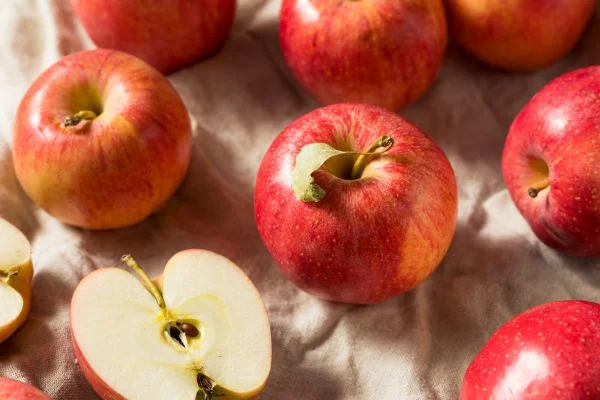 What Can I Bake With Gala Apples: Delicious and Easy Recipes - CakeRe
A Curious Obsession
Why do we even care this much? Because apple debates are oddly fun. They’re low-stakes drama. Nobody gets hurt—just disappointed by a soggy slice.
The Gala is a sweet enigma. It’s not the standard baking hero, but it’s no villain either. It just needs the right partner (or the right recipe).
Think of it as the supporting actor in your baking movie. It won’t carry the plot alone, but it can add charm.
The Final Bite
So, is a Gala apple good for baking? Yes, but with a wink. Use it for saucy jobs. Use it in blends. Never expect a crisp pie slice.
If you want to sound like a baking nerd, say this: “Gala’s low pectin and high sugar make it ideal for soft-fill applications.” See? Smart and silly.
Now go grab that Gala. Shove it in an oven. Embrace the mush. Or just eat it raw—because honestly? That’s where it shines brightest. But the experiment? That’s the fun part.
Happy baking, you glorious apple whisperer. 🍎