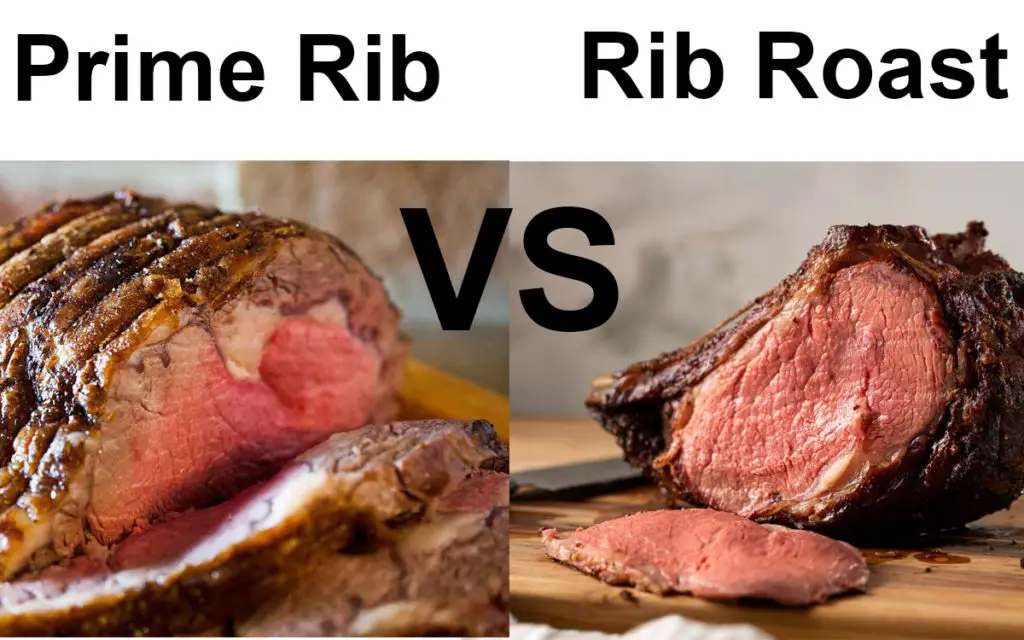
Picture this: It’s Christmas Eve. I’m sweating in my nice sweater, staring at a hunk of beef the size of a toddler’s torso. The butcher—a guy named Sal with a mustache that has its own zip code—winks at me and says, “That’s your prime rib, kid.” I nodded like I knew exactly what that meant. Spoiler alert: I had no clue.
I bought it, roasted it, and served it to my family with a confidence I absolutely did not deserve. My uncle took one bite, chewed thoughtfully, and asked, “So, is this a rib roast, or is it actually prime rib?” I felt the room tilt. Was there a difference? I had just dropped a hundred bucks on something I couldn’t even name.
That night, I dove into a rabbit hole of beef anatomy—and I’m here to tell you, the answer is both simpler and weirder than you think. First, let’s get the meat right. A rib roast is just the cut: it’s taken from the primal rib section of the cow, ribs six through twelve. It’s a beautiful, fatty, bone-in (or boneless) slab of beef that screams “special occasion.”
Now, prime rib is a cooking method—specifically, it’s a rib roast that’s been roasted whole. But wait, you’re thinking, didn’t I just say they’re the same physical thing? Yes. Sort of. The confusion comes from the word “prime,” which is also a USDA quality grade. Not all prime rib is USDA Prime. Mind blown, right?
The Great Label Swindle
Here’s where it gets messy. Restaurants love slapping “Prime Rib” on the menu, but the meat might be USDA Choice or even Select. Legally, they can call it that because “Prime Rib” is a dish name, not a grade. It’s like selling a “New York Strip” that isn’t from New York. You’re paying for the vibe, not the label.
So, a rib roast is the raw cut. Prime rib is the cooked dish. They’re the same cow part, just separated by a few hours in the oven. But if your butcher says “this is a prime rib roast,” they’re usually talking about the grade. USDA Prime means the meat has that gorgeous marbling—the little white flecks of fat that make it taste like butter on a bone. Chef’s kiss.
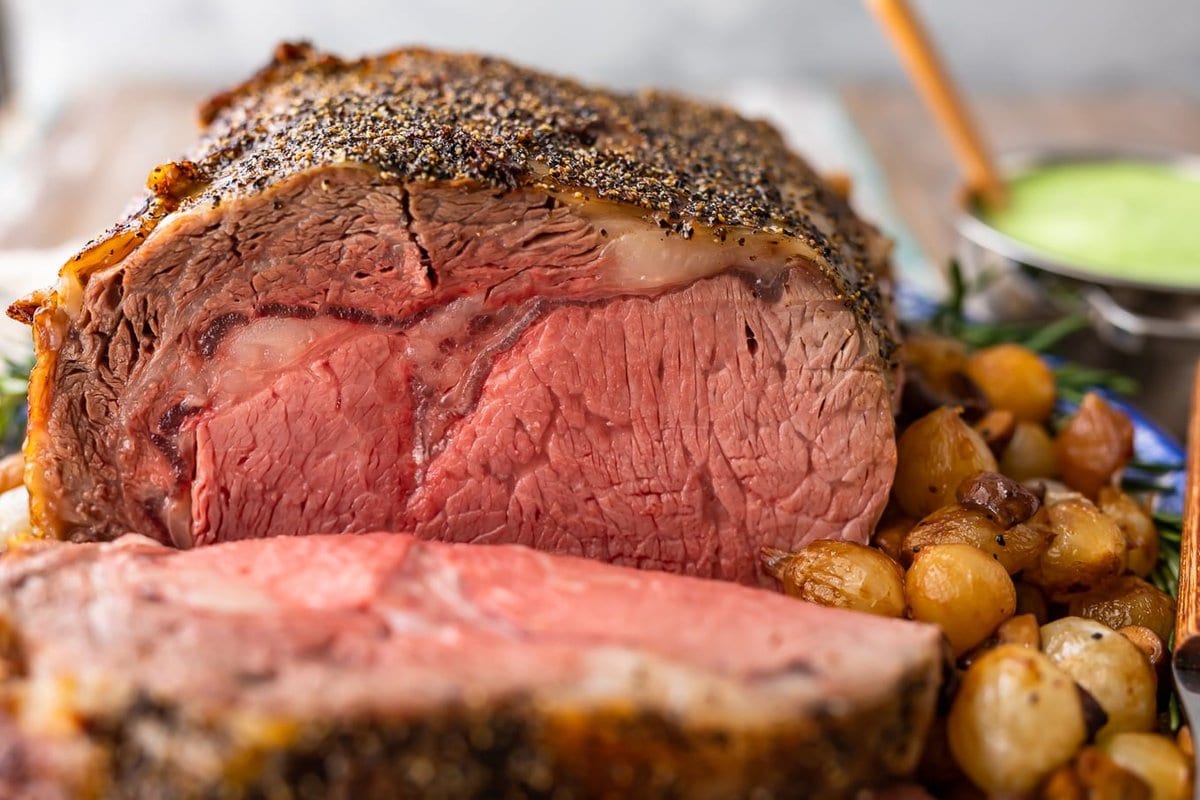 Best Prime Rib Roast Recipe {How to Cook Prime Rib in the Oven}
Why This Matters (And Why It Doesn’t)
Honestly? For most home cooks, the difference is academic. If you buy a rib roast—even one labeled “Choice”—and roast it low and slow to medium-rare, you’re eating prime rib in spirit. Is it technically correct? No. Will your guests care? Only if they’re a food blogger with a chip on their shoulder.
But here’s the catch: if you want that melt-in-your-mouth experience, you need a rib roast that’s been aged and has decent fat content. A Select-grade roast? It’ll be leaner and tougher. You’ll end up with a $70 hunk of disappointment. Don’t be that person.
I called Sal the butcher the next morning, my pride still bruised. He laughed and said, “Look, kid. A rib roast is the canvas. Prime rib is the painting. You can paint a masterpiece with cheap paint, but why would you?” Solid point, Sal. Solid point.
So next time you’re at the store, eyeballing that beautiful behemoth of beef, ask yourself: Do I want the label, or do I want the flavor? If you want the flavor, buy the best grade you can afford—Prime, if your wallet allows, or a nicely marbled Choice. Ignore the “Prime Rib” sticker on the package; it’s marketing fluff.
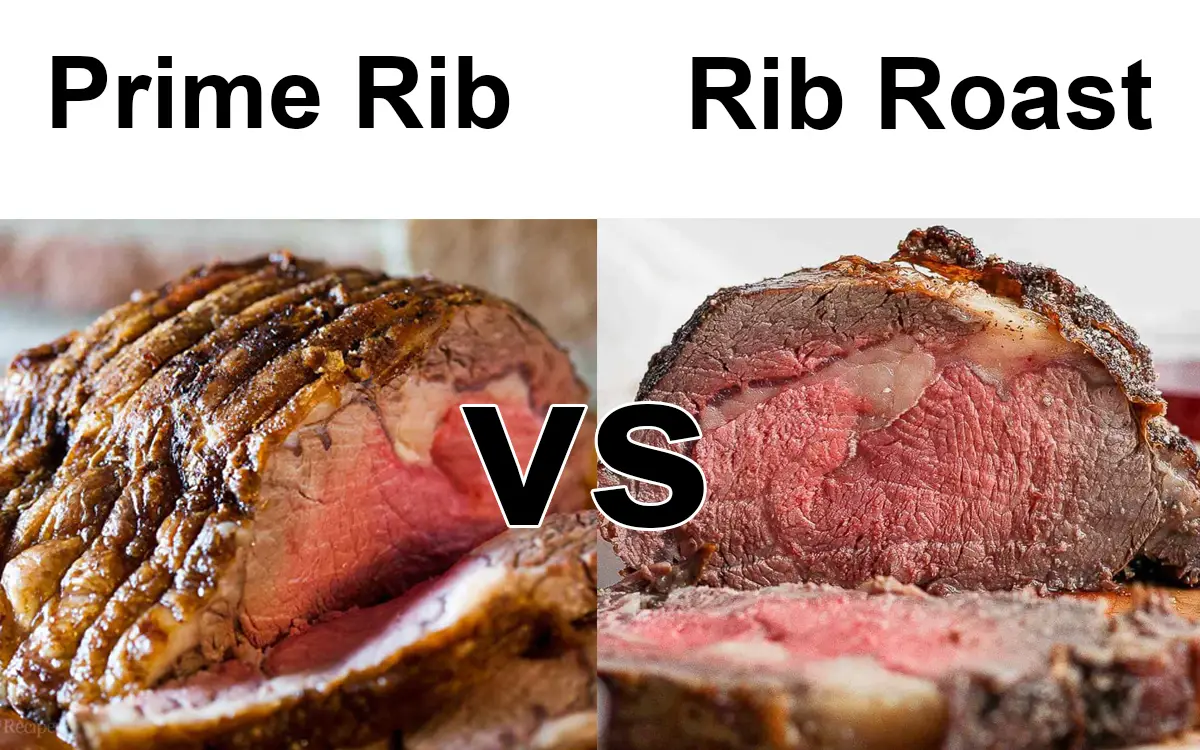 Rib Roast Vs Prime Rib Roast at Alexander Feakes blog
The Real Test
I made the roast again last Easter. This time, I bought a USDA Prime boneless rib roast. I dry-brined it for 24 hours, roasted it at 250°F, and finished with a sear. My uncle took a bite, closed his eyes, and said, “Now that’s prime rib.” I smiled. He was wrong—it was technically a prime rib roast—but I knew what he meant. And honestly? That’s all that mattered.
So, to answer the question: Is a rib roast prime rib? Yes, if you cook it right. No, if you’re being pedantic about labeling. But most of us aren’t food scientists. We’re just hungry people with an oven, a dream, and a very understanding butcher.
Final tip: Always buy bone-in. The bone adds flavor and prevents the meat from drying out. Plus, you get to look like a caveman when you carve it. Worth the extra $5.
Now go forth and roast. And if someone asks you the difference, just say: “It’s a prime rib because I’m eating it.” That’s the kind of confidence money can’t buy—even from a mustachioed butcher named Sal.