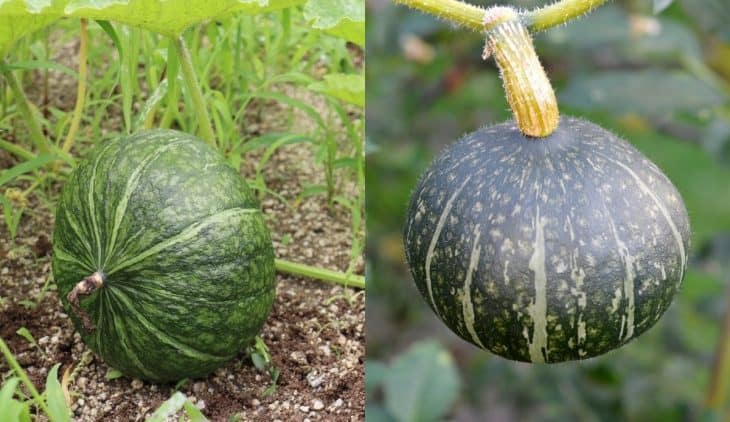
Let’s get one thing straight right now: buttercup squash and kabocha squash are not the same. But oh, do they try to fool you. They’re like the cousin who shows up to Thanksgiving wearing your exact sweater—close, but not quite right.
Both are squat, green-striped, and look like someone sat on a pumpkin. The real giveaway? The flattened top of a buttercup squash has a distinct, button-like bump. Kabocha is smoother, like a little green spaceship.
What’s in a Name?
Buttercup squash is an American invention. It was bred in the 1920s at the North Dakota Agricultural Experiment Station. Kabocha, on the other hand, is the Japanese winter squash—also called “Japanese pumpkin.”
Must Read
They share the same scientific species, Cucurbita maxima. That means they’re botanical siblings. But sibling rivalry is real in the squash world—especially when it comes to flavor.
Here’s the fun part: Kabocha was imported to Japan from the Americas in the 1500s. So, buttercup and kabocha are separated by centuries of culinary evolution. One went to America, one stayed in Asia, and they both got a glow-up.
Skin Deep: The Texture Trick
Run your hand over a buttercup squash—it’s nubbly and firm like a lightly textured baseball. Kabocha feels smooth, almost waxy. You could polish it and use it as a paperweight.
Now, the real shocker: You can eat kabocha skin. Buttercup’s skin? Too tough and bitter—peel that sucker. Kabocha’s skin gets tender when roasted, like edible armor.
Want a party trick? Tell your friends, “Kabocha skin is delicious.” They’ll think you’re a genius chef. (Just don’t try it with a buttercup.)
Flavor Face-Off
Buttercup is sweet and nutty, like a pumpkin who went to charm school. Its flesh is dense, dry, and almost mealy—perfect for mashes and soups. It’s the comfort food you didn’t know you needed.
Kabocha is even sweeter, with a chestnut-like richness. Some say it tastes like a sweet potato mated with a chestnut. Its texture is fluffier, like dry snow after a blizzard.
Here’s a quirky fact: In Japan, kabocha is often served simmered in soy sauce and sake. That’s not a buttercup squash’s game. Buttercup prefers butter, cinnamon, and a little maple syrup—very basic, in the best way.
The Shape of Things
Buttercup is a squat, round dome with a dark green crown. It looks like a green acorn that forgot to elongate. Kabocha is also rounded, but often has less pronounced ridges and a more uniform shape.
Flip a buttercup over—look for the button at the blossom end. That’s its telltale belly button. Kabocha has a small, flat scar instead. It’s like the difference between a belly ring and a belly button.
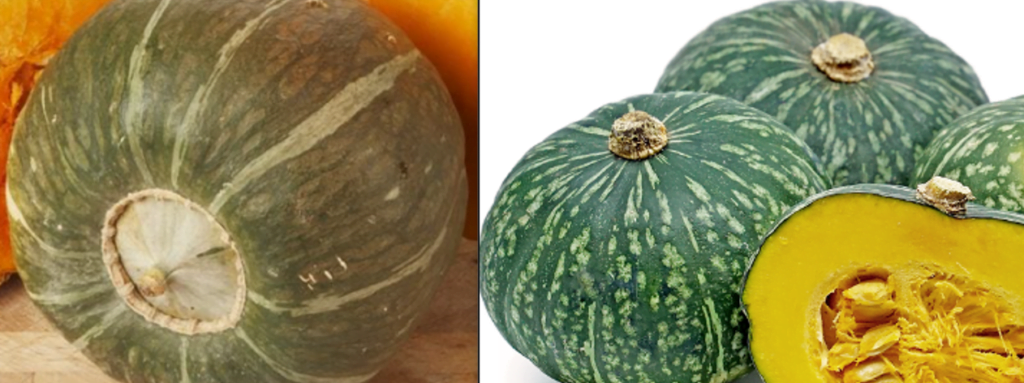 Buttercup Squash vs Kabocha - abavistwellness.com
If you see a squash that’s grayish-green with a lighter stripe pattern, that’s a kabocha. Buttercup tends toward a darker, almost blue-green hue. Color me confused? Use the button test!
Cooking Craziness
Baking a buttercup? It holds its shape well but can turn grainy. Best for purées, curries, and pies. Kabocha, on the other hand, stays firm but smooths out like velvet when roasted. Perfect for tempura or just eating with a fork.
Fun experiment: roast both side by side. You’ll notice buttercup’s flesh separates into stringy bits, while kabocha stays in creamy chunks. It’s like comparing a wool sweater to cashmere—both warm, but one is fancy.
Word to the wise: Don’t microwave kabocha. It gets rubbery and sad. Roast it at 400°F for 30 minutes. Buttercup? Microwaving is fine—it’s a forgiving squash.
Why Does This Even Matter?
Because mistaking them changes your dinner. Use buttercup in a Japanese simmered dish, and you’ll get a mushy mess. Use kabocha in American pie, and you’ll wonder why it’s so fluffy.
Also, it’s a great conversation starter. Next time you’re at a farmer’s market, point at a squash and say, “Is that a Seminole pumpkin or a kabocha?” People will think you’re a produce detective. The farmer will love you.
Plus, there’s a secret fan club for buttercup lovers who feel betrayed by kabocha’s popularity. Join the club—or rebel and switch sides. Squash drama is real!
Quick Cheat Sheet for Your Next Grocery Run
Buttercup: Dark green, bumpy button on bottom, tough skin, mealy sweet flesh. Best for American comfort food.
Kabocha: Smooth, pale green with stripes, edible skin, fluffy chestnut flavor. Best for Japanese or Asian dishes.
Still confused? Just buy both. They’re both delicious. Call it a “squash tasting flight” and impress your friends.
So, no—buttercup squash is not the same as kabocha. But they’re like fraternal twins: separate identities, shared DNA, and endless potential for delicious chaos in your kitchen. Go ahead, grab one of each, and start your own squash adventure. Your taste buds will thank you—especially if you roast them both with brown butter.