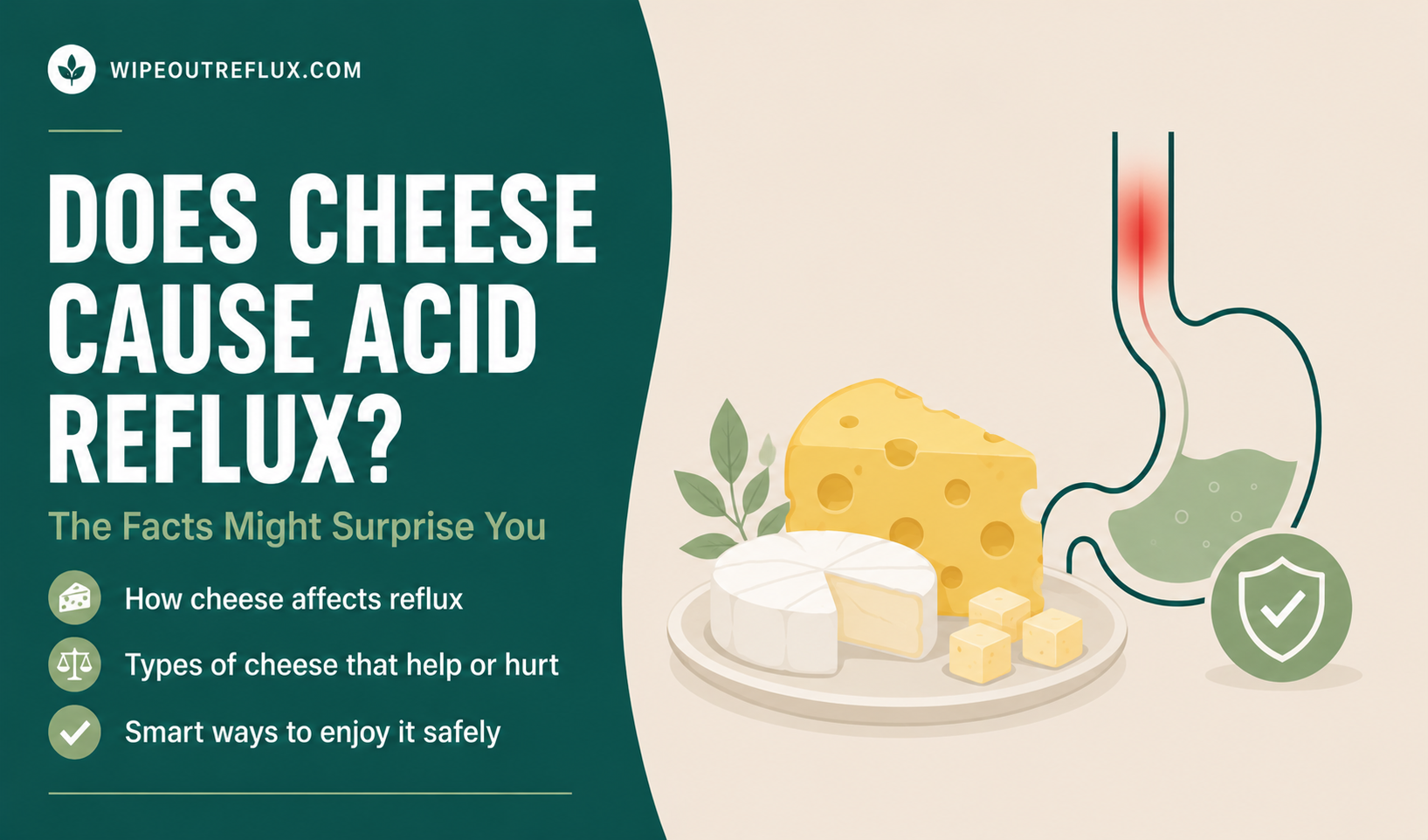
Let’s be real for a second. You know that moment when you’re staring into the fridge at 10 PM, and the block of cheddar is just winking at you? You’ve already popped a few antacids today, but the heartburn dragon is stirring in your chest. Is cheese really the enemy, or can we negotiate a truce?
It’s a classic love-hate relationship. You love the gooey, salty, melty goodness. Your esophagus, however, treats it like a hostile invasion. Think of your lower esophageal sphincter as a bouncer at a club. When you eat cheese, sometimes that bouncer just forgets to close the velvet rope, and stomach acid crashes the party in your throat.
The Great Cheese Spectrum: From Traitors to Allies
Not all cheese is created equal in the eyes of reflux. Some are serial offenders, while others might be your quiet, non-judgmental friends. The biggest villain is often high-fat cheese. Think aged cheddar, brie, parmesan, or that heavenly triple-cream brie you bought for “a special occasion.”
Must Read
Fatty foods relax that bouncer—the lower esophageal sphincter—making it lazy. Plus, they slow down digestion, meaning your stomach has to work overtime. It’s like asking your stomach to run a marathon while wearing a lead vest. Not cool, brie. Not cool.
But don’t throw your cheese board into the trash just yet. Low-fat and fresh cheeses can often slide by without causing a riot. Cottage cheese, ricotta, feta, and even fresh mozzarella (the kind in water, not the rubbery block) tend to be gentler. They have less fat, so your stomach doesn’t throw a tantrum.
The “Cheese Math” of Your Dinner Plate
Here’s where personal experience meets sad reality. I once thought a slice of melted provolone on a turkey sandwich was innocent. Wrong. Ten minutes later, I was doing that weird throat-clear dance while my coworkers asked if I was okay. The issue wasn’t just the cheese—it was the context.
Pairing cheese with trigger foods is like inviting a drama queen to a quiet library. Combine cheese with tomato sauce (pizza), spicy peppers (jalapeño poppers), or a glass of red wine (fondue night), and you’ve created a reflux firestorm. It’s not the cheese’s fault entirely; it’s the company it keeps.
 The Link Between Grilled Cheese And Acid Reflux: Uncovering The Truth
On the flip side, a small bit of cheese with a whole-grain cracker or a slice of apple? That’s a diplomatic handshake. The fiber and other foods can help buffer the acid. Portion size is your secret weapon here. A tablespoon of shredded parmesan on soup is a far cry from a wedge of Gouda the size of your fist.
Listen to Your Gut (Literally)
I have a friend who can eat a pound of mozzarella sticks and sleep like a baby. I, on the other hand, look at a slice of Swiss cheese and my throat starts scheduling a protest. Your mileage will vary wildly. It’s about finding your personal “cheese tolerance.”
Start a little food diary. Eat a small amount of a suspected trigger cheese and note how you feel. If you feel a warm sensation climbing your chest an hour later, that cheese might be persona non grata in your fridge. If you feel fine, rejoice and proceed with cautious gratitude.
Timing matters too. Eating a rich, fatty cheese right before bed is like tucking your stomach in with a lit match. Give yourself at least three hours between eating and lying down. Let gravity do its job. Your pillow will thank you.
The Great Grilled Cheese Compromise
Can you still have a grilled cheese sandwich? Yes, but with spy-level tactics. Use low-fat cheese like part-skim mozzarella or a light cheddar. Don’t use butter on the bread—that’s a fat bomb. Try a light smear of olive oil or a non-fat cooking spray. And skip the side of tomato soup (too acidic) unless you’re braver than I am.
 Is Cheese Bad for Acid Reflux? Does Cheese Cause Acid Reflux? Is Cheese
Another trick: eat your cheese earlier in the day. A small bit of aged gouda with lunch? Manageable. That same gouda at 11 PM for a late-night snack? You’re basically asking for a fire-breathing dragon in your sleep. Been there. Done that. Got the pillow burn.
Also, watch out for processed cheese slices. They often have added sodium and emulsifiers that can be harsh on a sensitive stomach. Real cheese, in small amounts, is usually better than the fake stuff. But again, test it yourself.
The Verdict (No Pun Intended)
So, is cheese okay for acid reflux? The answer is a soft, slightly squeaky, “It depends.” It’s like asking if you can go swimming after eating—the old rule might not apply to you. Low-fat, fresh cheese can be your friend. High-fat, aged cheese might be your frenemy. And huge portions are always the villain.
Don’t let acid reflux ruin your entire relationship with dairy. Just become a smarter, more selective cheese eater. You don’t need a cheese-free life. You just need a cheese-aware life. And maybe keep a pack of antacids in your bag for those nights when the cheddar’s siren call is just too strong. We’ve all been there.
Now go forth, nibble wisely, and may your throat remain peaceful.