
Let’s be honest: the smoothie has become the unofficial drink of the modern wellness era. It’s the star of your Instagram feed, the post-yoga ritual, and the “I-don’t-have-time-for-breakfast” hero. But is that vibrant swirl of fruit and greens actually doing your body favors, or is it just a delicious glass of sugar in disguise? Grab your straw, because we’re blending up the truth.
The Good, The Green, and the Glorious
First, let’s give credit where it’s due. A well-made smoothie can be a nutritional powerhouse, delivering vitamins, fiber, and antioxidants in one convenient sip. Tossing in a handful of spinach, a scoop of protein powder, and some frozen berries is practically a cheat code for getting your five-a-day before 9 AM.
This is especially true when you think of smoothies as meal replacements. For busy parents, remote workers, or anyone sprinting out the door, a smoothie is a lifeline to avoid a drive-thru disaster. It’s like having a personal chef who only makes healthy things, and who works in a blender.
Must Read
Fun fact: the modern smoothie craze traces its roots back to the 1930s with the invention of the electric blender, but it was the health food movement of the 1960s that turned them into a cultural icon. Think of it as the Woodstock of breakfast—messy, communal, and full of good intentions.
Pro Tip: Always include a source of protein (like Greek yogurt or nut butter) and a source of healthy fat (like avocado or chia seeds) to keep your blood sugar stable and your belly full.
The Sugar Trap: When “Healthy” Isn’t
Here’s where we hit the brakes. The biggest pitfall of smoothies is the sugar overload. That “tropical paradise” blend from your local café might contain more sugar than a can of soda, thanks to fruit juices, honey, and syrups.
When you blend whole fruit, you break down its fibrous cell walls, which means your body absorbs the sugar much faster than if you ate the fruit whole. This rapid spike in blood sugar can lead to a crash, leaving you more hungry and tired an hour later.
Think of it this way: eating a whole apple is like a slow, steady campfire; drinking apple smoothie is like throwing gasoline on that fire. The flames are impressive, but they burn out fast. You don’t want a smoothie that causes your energy to do an Olympic-level gymnastics routine.
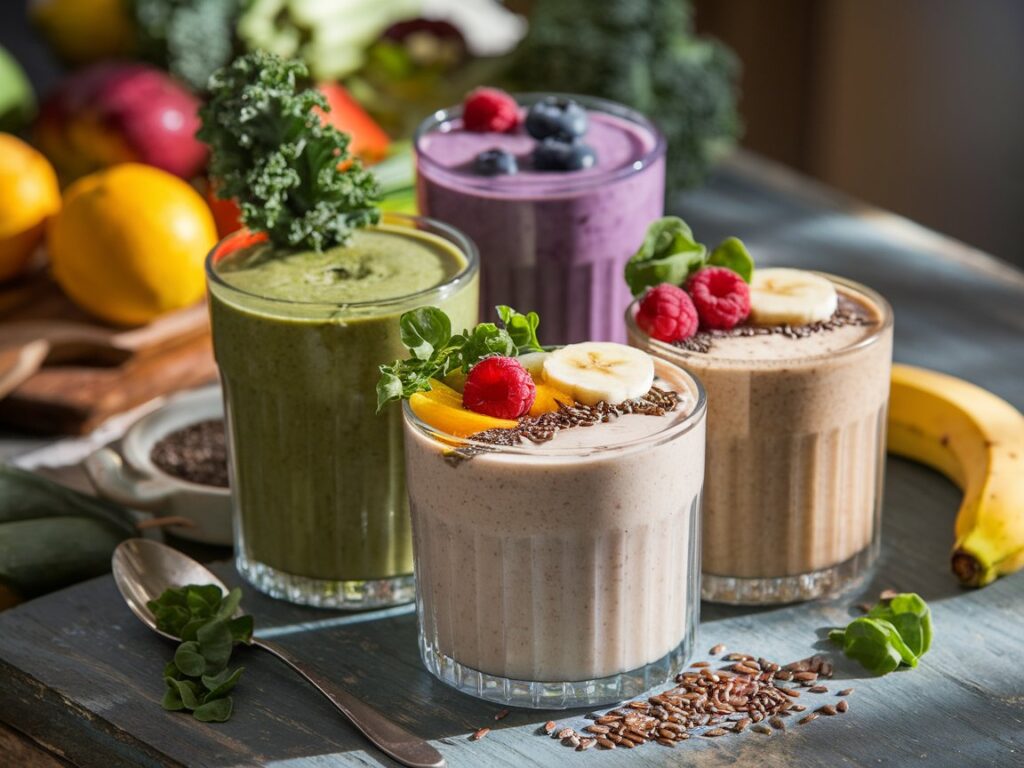 Top 5 Healthy Smoothies for Digestion for No More Pain
Fun Fact: The average 16-ounce store-bought fruit smoothie packs around 50 grams of sugar. That’s more than the American Heart Association’s daily recommended limit for women (25 grams).
How to Build a Better Blend
To master the smoothie game, you need to think like a chef, not just a fruit enthusiast. Start with a vegetable-based liquid (like unsweetened almond milk or coconut water) to keep the sugar low. Then, add a handful of greens—it sounds weird, but you won’t taste the kale.
For sweetness, stick to whole fruits like berries, which are lower in sugar than bananas or mangoes, and use natural flavor enhancers like a dash of cinnamon or vanilla extract. Avoid liquid sweeteners entirely; you don’t need them.
Finally, always incorporate a thickening agent to improve texture and satiety. Frozen cauliflower florets, half an avocado, or a tablespoon of flaxseed meal will make your drink creamy without adding sugar. It’s the culinary equivalent of wearing a well-tailored blazer—effortlessly elegant.
Cultural Reference: In Japan, the “green juice” trend is so serious that vending machines sell bottles of wheatgrass smoothie. You can channel that same Zen energy by prepping your smoothie ingredients in bags over the weekend. A-smoothie-meal-prep-for-life.
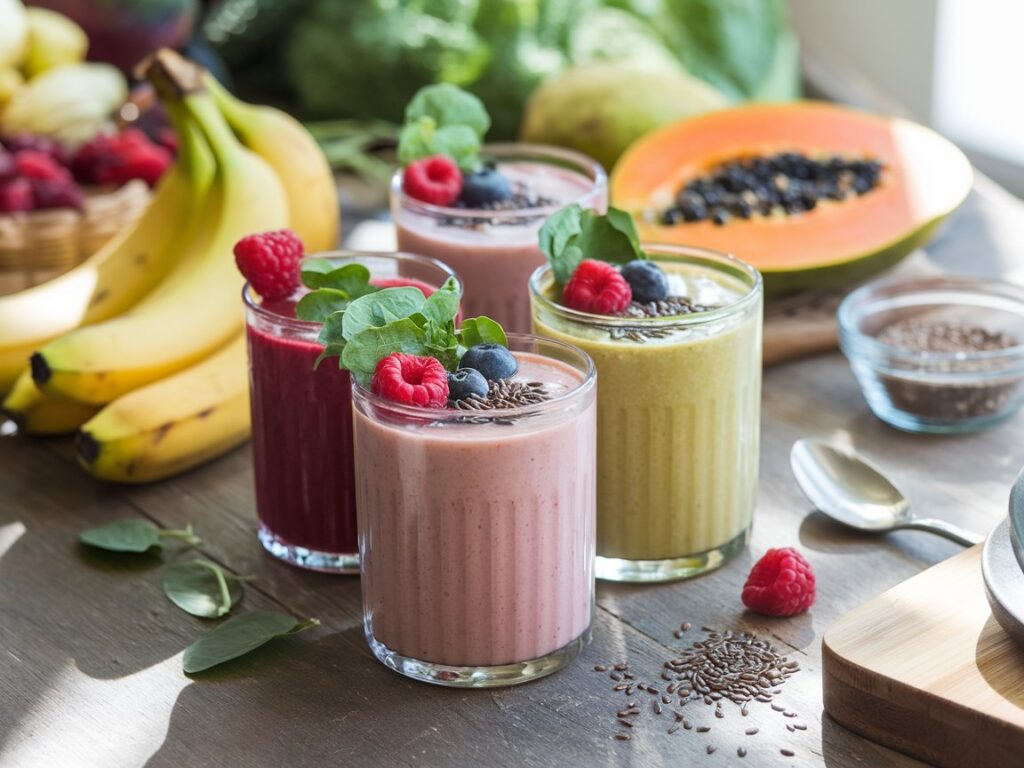 Top 5 Healthy Smoothies for Digestion for No More Pain
The Verdict: Should You Drink Them?
Yes, but with a strategic mindset. Think of a smoothie as a tool, not a magic wand. Use it for convenience, to sneak in veggies, or as a post-workout recovery drink where fast-digesting carbs are actually beneficial. Do not use it as your only source of fruit for the day.
For most people, chewing your food is better for digestion and satiety. But when life gets messy—and it will—a smoothie is a noble ally. The key is to be the captain of your blender, not a passenger in a sugar cloud.
Fun Fact: The world’s largest smoothie was made in Romania in 2021, weighing over 1,500 liters. I doubt that was healthy, but it was certainly an event.
Your Daily Morning Reflection
Tomorrow morning, when you reach for that blender, pause for a moment. Ask yourself: Am I making this because I need quick fuel, or because I’m trying to outrun a bad breakfast? A smoothie can be a beautiful bridge between busy mornings and nourishing choices. Just make sure that bridge is built with vegetables, protein, and a touch of real intention.
After all, the healthiest thing you can drink isn’t just a recipe—it’s an attitude. And if that attitude comes with a straw and a little bit of spinach in your teeth, so be it. Cheers to blending better, not just faster.