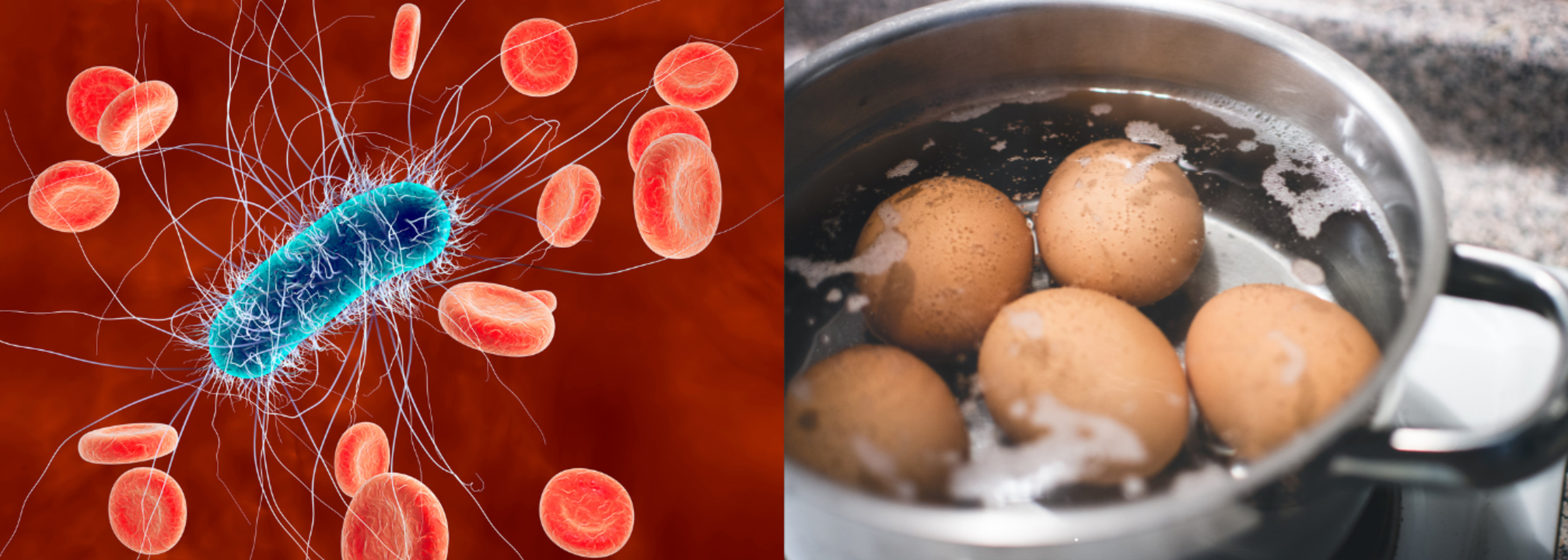
So, you’ve just discovered a rogue piece of chicken in your fridge that’s been doing push-ups for a week. Your brain screams, “E. coli!” and your stomach does a backflip. The natural question, whispered over a lukewarm latte, is: Can cooking kill this microscopic menace? The short, glorious answer is: Yes, absolutely—but you have to be a smarter chef than a surprised one.
Meet Your Enemy: The Party Pooper of Your Gut
E. coli isn’t a single villain; it’s a huge family of bacteria, ranging from harmless freeloaders to the kind of guests who ruin the carpet. The infamous strain, O157:H7, is like that guy who shows up to a barbecue, eats all the potato salad, and then complains about the music. It can cause bloody diarrhea, kidney failure, and a level of misery that makes a hangover look like a spa day.
Here’s a fun fact: this bugger is surprisingly fragile when it comes to heat—like a snowflake in a sauna. But it’s also an incredibly sneaky party crasher, hiding in the nooks and crannies of ground beef like a ninja. You can’t just wave a match over a burger and call it done.
Must Read
The Magic Number: 160°F (Or 71°C, For the Metric-Minded)
To turn E. coli from a lively raver into a corpse, you need to hit 160°F (71°C) for at least a few seconds. That’s the temperature where their little bacterial hearts—wait, they don’t have hearts—where their proteins curl up and die. Think of it as the bacterial equivalent of a bad hair day that ends in total meltdown.
But here’s the kicker: color is a terrible liar. A burger that’s brown on the outside but pink in the middle is like a politician promising lower taxes—looks good, but don’t trust it. You need a thermometer, not your eyeballs, to be the hero of this story. Poke that patty in the thickest part, and if it says 160, you’ve won.
Wait, Doesn’t Cooking Meat Kill Everything?
Not so fast, cowboy. Cooking kills most pathogens—salmonella, listeria, and our pal E. coli—but it doesn’t kill boredom or bad jokes. However, some bacteria produce heat-stable toxins that survive even a nuclear blast in your oven. Ever had food poisoning that hit you faster than a microwave dinner? That’s the toxins, not the live bugs.
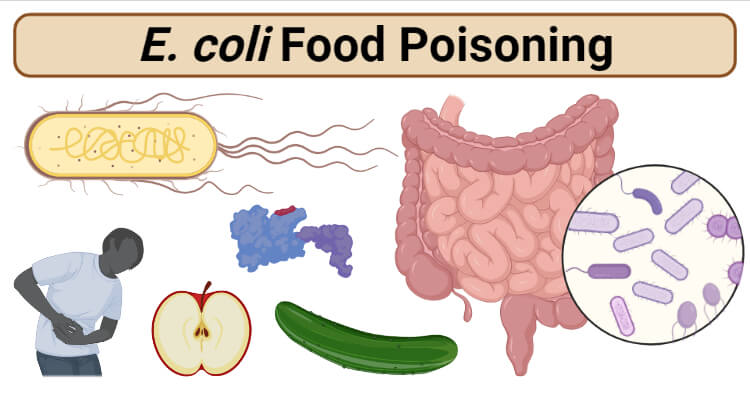 E. coli virotypes Food Poisoning, Infection and Illness
So, yes, cooking kills the E. coli itself—making it safe—but if you left that chicken out for four hours in the sun, the toxins it produced are already there. Heat doesn’t reverse time, folks. It only stops the time machine from crashing. Moral: don’t cook spoiled food; cook fresh food that’s had a boring life on a shelf.
Surprising Fact: You’re Probably Eating E. coli Right Now
Don’t panic—but your salad might be a bacterial rave. Leafy greens, sprouts, and unpasteurized apple juice are common carriers. One study found that 4% of spinach samples tested positive for E. coli—that’s like finding a cockroach in every 25 salads. The good news? Washing with cold water removes only about 99% of bacteria, but the remaining 1% is still a tiny army.
Cooking kills E. coli on veggies, too. Blanch that broccoli! Roast those Brussels sprouts! If you’re eating a raw salad, you’re basically playing Russian roulette with a salad spinner. For most people with healthy immune systems, it’s fine—but for pregnant women, kids, or your grumpy uncle with a weak stomach, cook it or skip it.
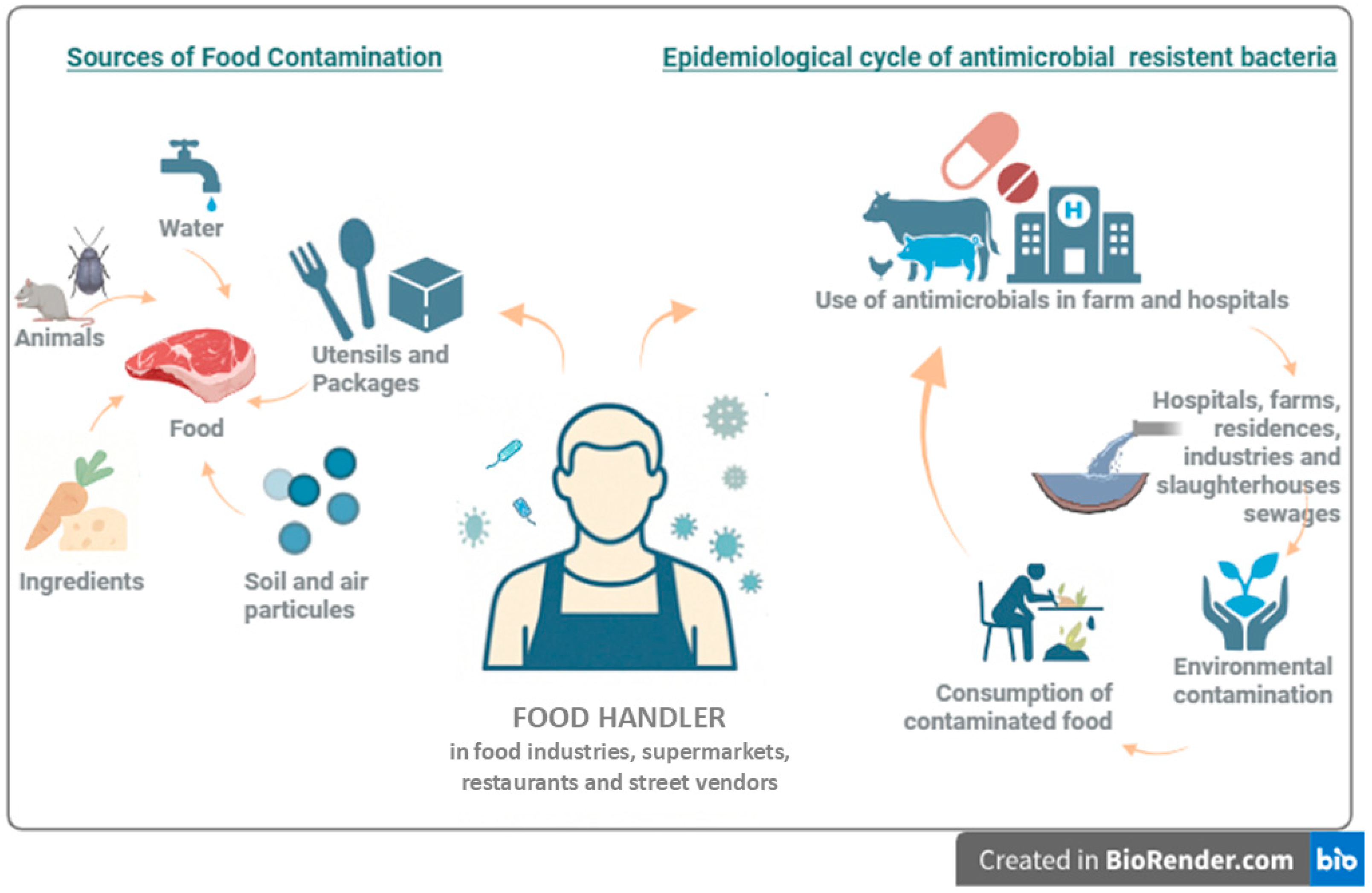 Antimicrobial Resistant Staphylococcus spp., Escherichia coli, and
What About Freezing? Can’t We Just Ice the Enemy?
Nope. Freezing is like putting E. coli into cryogenic sleep—it wakes up when thawed, ready for the party. That’s why thawing meat on the counter is a bad idea. It’s like giving the bacteria a warm hug while they wake up from their nap. Always thaw in the fridge, or better yet, just cook it from frozen (yes, you can do that, but add 50% more time).
And don’t even think about microwaving a burger to “sterilize” it. Microwaves heat unevenly, turning your patty into a landscape of hot volcanoes and cold valleys. E. coli will just mosey on over to a cold spot and throw a second party. Use a real stove or grill, and be a thermometer vigilante.
The Best Defense (Besides a Good Thermometer)
Here’s my final, café-wisdom: Don’t fear the bacteria; respect the heat. E. coli is a drama queen, but it’s also a wimp against proper cooking. Keep your kitchen clean, wash your hands after touching raw meat (especially if you then touch your phone—yes, I see you), and never ever eat a burger that says “medium-rare” unless it’s from a steak. Ground meat is not a steak; it’s a homogenized bacterial hotel.
So, next time you grill, wield that thermometer like a lightsaber. Cook to 160°F, let your food rest (because science), and enjoy that burger without fear. E. coli is killed by cooking—but only if you actually cook it, not just set it on fire and hope for the best. Now pass the ketchup, and keep your coleslaw chilled.