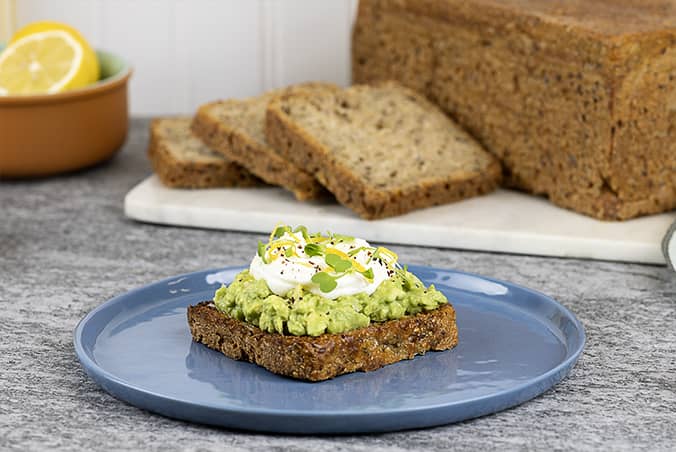
So, you’re standing in your kitchen, staring at a loaf of wheat bread like it’s a mystical artifact. Is it the holy grail of breakfast, or just a posh piece of cardboard? Let’s crack this nut together, shall we?
First off, yes, wheat toast can be healthy—but not all wheat toast is created equal. Think of it like a party: some guests are life of the party (whole grains), and others just show up for the free dip (refined flour).
The “Whole” Truth vs. The “Refined” Lie
The magic word here is whole. Whole wheat bread keeps the entire grain—the bran, germ, and endosperm—so you get fiber, vitamins, and minerals. That’s like a superhero team in your toaster.
Must Read
But many store shelves are packed with “wheat bread” that’s really just white bread in a tan costume. Check the label: if the first ingredient isn’t “whole wheat flour,” it’s probably a pretender.
Ever heard of “enriched flour”? That’s code for “we stripped out the good stuff and added back a few vitamins, like a lazy apology.” Don’t fall for it, friend.
Fiber: Your Tummy’s Best Buddy
Whole wheat toast packs a nice fiber punch—about 2 to 4 grams per slice. That’s enough to keep your digestive system doing the happy dance (a very private dance, thank goodness).
Fiber also helps you feel full longer, so you won’t be hunting for a second breakfast like a hobbit by 10 a.m. Pro tip: pair your toast with protein—like an egg or peanut butter—for all-day staying power.
But here’s the kicker: some wheat breads are low in fiber because they’re made with refined flour. You’re basically eating a cotton ball with better PR. Not cool.
The Sugar Sneak Attack
Ever flip over a wheat bread package and find sugar listed as the second or third ingredient? Yeah, some brands sweeten their bread like it’s a dessert. Watch out for added sugars—they can turn your “healthy” toast into a Trojan horse.
Look for breads with less than 3 grams of sugar per slice. Your blood sugar will thank you—and so will your dentist, who’s already saving up for a vacation.
Also, avoid high fructose corn syrup (HFCS) if you can. It’s like inviting a sugar gremlin to live in your bread basket.
 is whole wheat toast with avocado healthy Wheat toast
Vitamins and Minerals: The Unsung Heroes
Whole wheat is a solid source of B vitamins (energy boosters), iron (oxygen delivery), and magnesium (helps you chill out). It’s basically a multivitamin you can slather with avocado.
But here’s a fun fact: the wheat plant’s outer layer (the bran) contains most of the good stuff. If that layer got tossed during processing, you’re left with the grain’s “beige interior”—not very exciting, nutritionally speaking.
So, when in doubt, choose 100% whole grain or 100% whole wheat. Your cells will throw a little party.
The Glycemic Index: Why It’s a Thing
Wheat toast can raise your blood sugar—especially if it’s made from refined flour. That’s like a sugar rush followed by a crash, and nobody likes being a human rollercoaster.
Whole wheat has a lower glycemic index, meaning it’s processed slower, keeping your energy steady. Perfect for tackling that 3 p.m. slump—or surviving your toddler’s dance recital.
Toast it lightly, too. Over-toasting can create acrylamide, a chemical that’s fine in small amounts but not something you want to chase with coffee every morning. Golden brown, not carbonized.
What About Gluten?
Unless you have celiac disease or a real sensitivity, gluten is not your enemy. Wheat toast with gluten is perfectly fine for most people—it’s just a protein that makes bread fluffy and delicious.
But if your gut throws a hissy fit after every sandwich, listen to your body. There are gluten-free whole grain options out there, like buckwheat toast or oat bread. Just check the fiber content again—some GF breads are secretly made of potato starch and sadness.
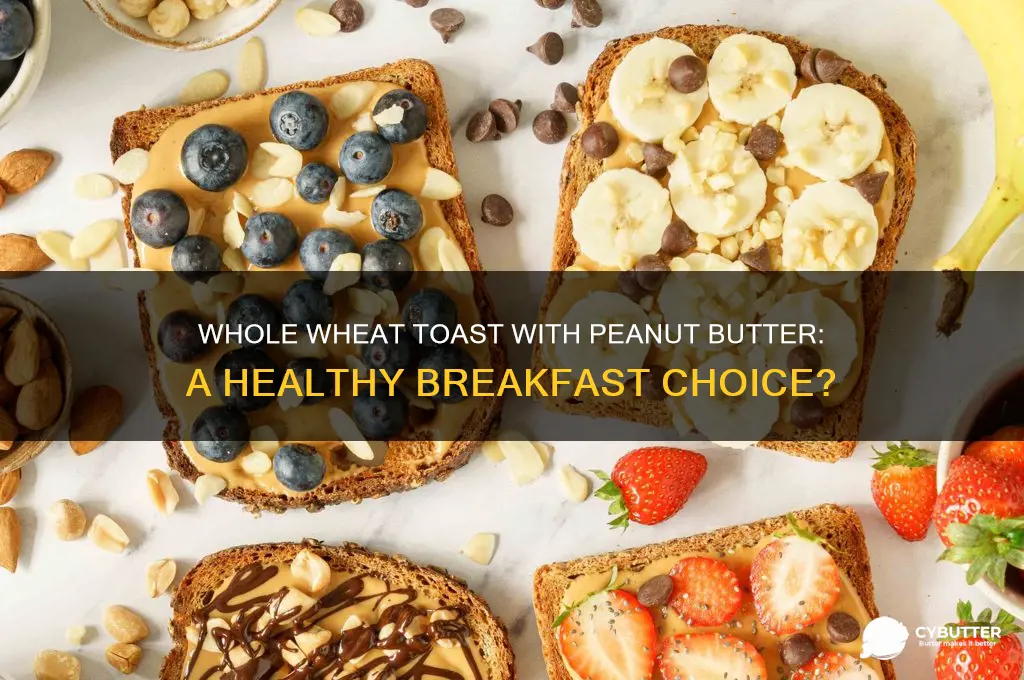 Whole Wheat Toast With Peanut Butter: A Healthy Breakfast Choice
Toasting: Does It Ruin Nutrients?
Good news: toasting doesn’t destroy the fiber, vitamins, or minerals in your bread. It might slightly reduce vitamin B1 (thiamine), but it’s not the end of the world.
What toasting does do is change the starch structure, making it a tiny bit easier to digest. That’s actually a win for your tummy—unless you have diabetes, in which case, pair it with fat or protein to slow digestion.
So, go ahead and toast away. Just avoid burning it to a crisp, unless you’re making charcoal art.
The Final Slice of Truth
Is wheat toast healthy? It absolutely can be, but you have to be a savvy shopper. Read the ingredients like a detective, not a poet. Look for “100% whole wheat” or “whole grain,” and keep an eye on sugar and fiber.
Think of wheat toast as a foundation—a blank canvas for healthy toppings. Avocado, eggs, nut butter, banana, even a sprinkle of cinnamon. Avoid turning it into a sugary delivery system (looking at you, jam-heavy breakfasts).
And remember: even the healthiest toast won’t save you from a diet of pop-tarts and despair. It’s just one piece of the pie—er, toast—of your overall eating style.
Uplifting Conclusion (You Made It!)
So, here’s the happy ending: you can totally enjoy a slice of whole wheat toast with confidence and joy. It’s not a magic cure, but it’s a simple, tasty way to nourish your body without overthinking it.
Next time you pop that bread in the toaster, smile. You’re not just making breakfast—you’re making a choice to be kind to yourself. And hey, even if you occasionally grab the “imposter” white wheat bread, it’s okay. Life is short, and toast is forgiving.
Go forth, toast your way, and maybe add a little butter. You’ve earned it, you magnificent piece of burnt-toast-with-a-side-of-awesome. 🍞✨