
So, Labor Day rolls around, and suddenly you’ve got a three-day weekend, barbecues, and sales on mattresses. It’s easy to just think of it as the unofficial end of summer. But ever stop and wonder what we’re actually celebrating?
I mean, we don’t have “Work Day” for the other 364 days, right? So why a whole holiday dedicated to labor? It’s actually a pretty cool story—way more rebellious and interesting than you’d guess from a plate of hot dogs.
More Than Just a Day Off
Think back to the late 1800s. The Industrial Revolution was in full swing, and conditions were rough. People—including kids as young as five—were toiling 12-hour shifts, six days a week, in dangerous factories.
Must Read
No weekends. No overtime pay. Just grind, grind, grind. Sound exhausting? It was a struggle for basic human dignity, and workers started to say, “Enough is enough.”
Labor Day wasn’t handed out by a grateful boss. It was fought for. It comes straight from the labor movement and those massive parades and protests you see in old black-and-white photos.
The First “Labor Day” Parade
The very first Labor Day parade happened on September 5, 1882, in New York City. Picture this: 10,000 workers marching through the streets, carrying signs, beating drums, and taking an unpaid day off just to demand better lives.
These weren’t professional protesters. They were bricklayers, seamstresses, and printers. And they had the audacity to ask for an eight-hour workday. Can you imagine?
Their march was such a wild idea that newspapers called them “anarchists” and “socialists.” But it worked. By 1894, it became a national holiday. Weird to think your three-day weekend started with a bunch of union workers refusing to clock in, huh?
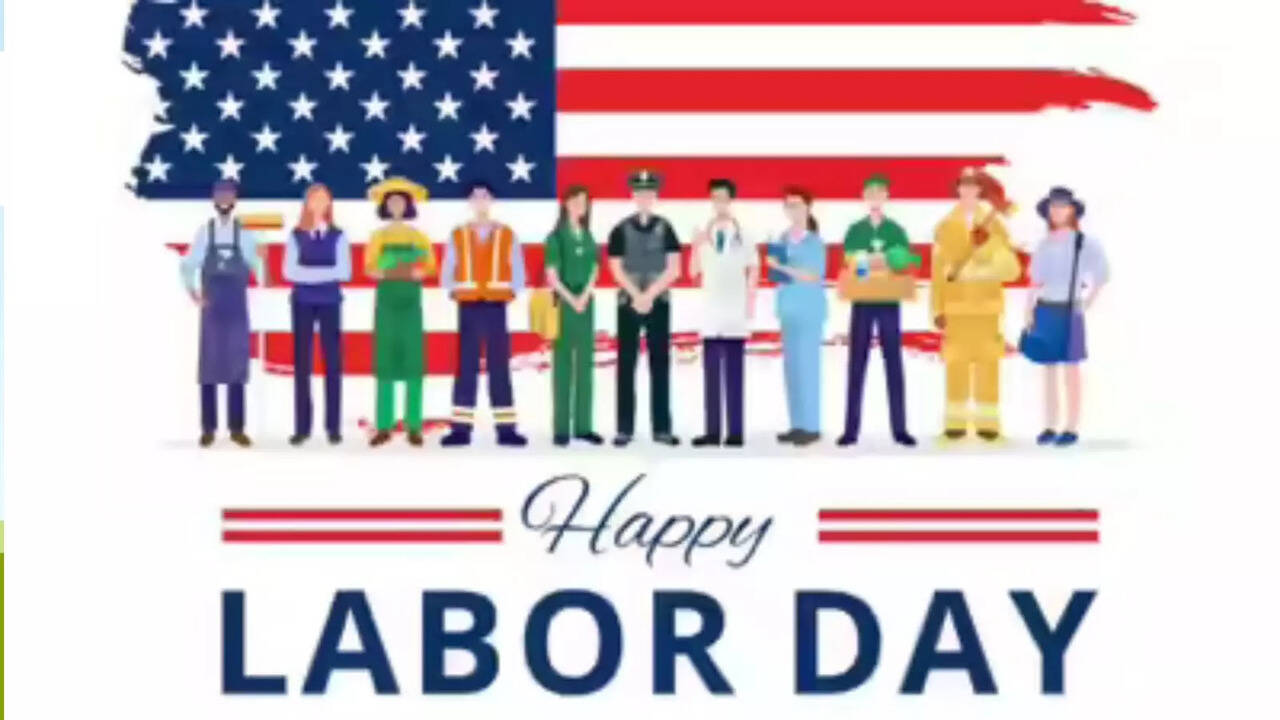 U.S. Labor Day 2025: History, Meaning and Celebrations in a Changing
What’s the Big Idea?
At its heart, Labor Day is about celebrating the dignity of work. Not just the fancy corner-office kind, but the hard, sweaty, behind-the-counter, on-your-feet-all-day kind. The kind that actually builds a country.
It’s also a reminder that our modern perks—like the weekend, lunch breaks, and paid vacation—were radical demands once upon a time. They aren’t laws of nature; they’re victories from people who organized.
So when you’re enjoying that extra day off, you’re basically enjoying a victory lap for the American worker. Pretty rad, right?
Fun Comparison: The “Thanksgiving of Work”
If Thanksgiving is about being grateful for food, think of Labor Day as being grateful for the hours you don’t work. It’s the holiday that says: “You matter, not just your output.”
It’s also the exact opposite of a “hustle culture” mindset. While social media tells you to grind 24/7, Labor Day winks and says, “Nah, go eat a burger and relax. You’ve earned it.”
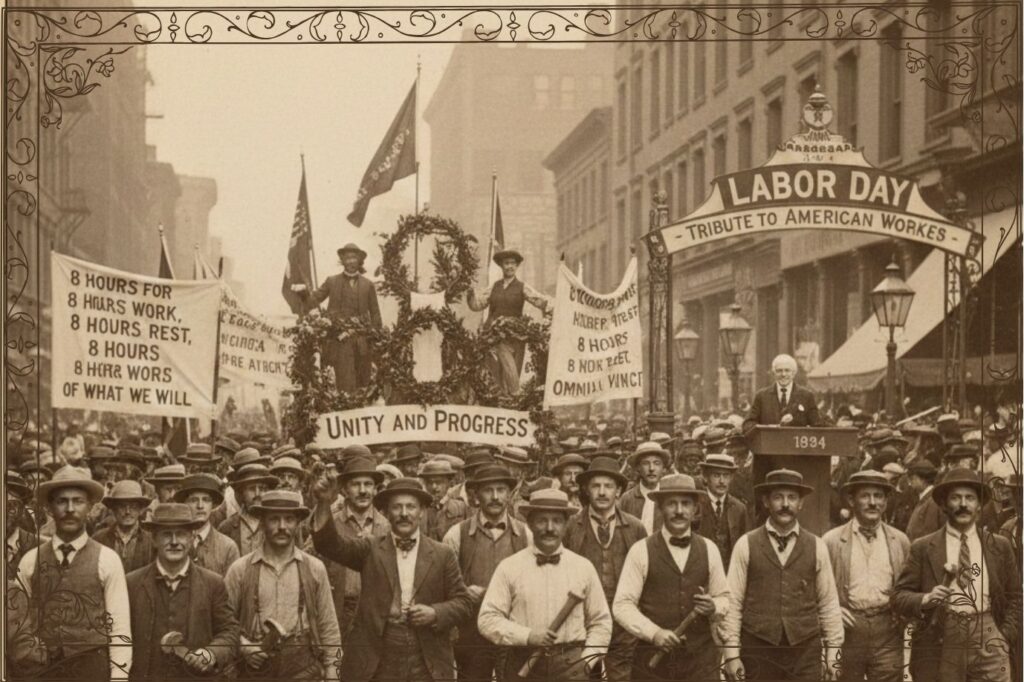 Labor Day 2025 (September 1): History, Facts & U.S. Traditions
Even the timing is genius. After a summer of barbecues and beach trips, it’s a gentle pause before the autumn rush. A collective sigh before school and deadlines hit hard.
A Day for Everyone
Here’s the coolest part: Labor Day isn’t just for union members or factory workers. It’s a day for everyone who contributes. Stay-at-home parents, freelancers, gig drivers, and even interns who mostly get coffee.
Your work—paid or unpaid, formal or creative—adds to the big machine. And this holiday is a shout-out to all of it. No job is too small for a little respect.
So next time you see a “Happy Labor Day” meme, remember the story behind it. It’s not just a date on the calendar; it’s a celebration of collective power and the idea that people deserve to rest.
Last Bite
Before you fire up the grill or hit the beach, take a second to feel a little proud. You’re part of a long line of people who showed up, clocked in, and demanded a break.
Enjoy the long weekend. You absolutely deserve it. And hey, when you bite into that burger, maybe raise a glass to the workers of 1882—they started this whole delicious tradition.