
So, you’ve seen the sun blazing over your back garden and thought, “Could that giant fireball in the sky be paying my electricity bill?” Well, Lidl in the UK just made that question a whole lot more interesting. They’ve started selling plug-in solar panels in their middle aisles, right next to the weird gardening tools and the mystery cheese. Yes, the same Lidl where you buy cheap avocados now wants you to generate your own power.
Wait, Solar Panels at Lidl? For Real?
Absolutely. It’s not a dream, and it’s not a tiny disco light. These are proper solar panels, but with a major twist. They are plug-in panels, meaning you don’t need a full-blown roof installation or a professional electrician’s blessing to get started. You just plug them into a standard household socket using a special cable. Imagine it like charging your phone, but instead of a wall outlet, you’re using the sun to charge your entire home.
These panels come in kits, usually with one or two 300-watt panels. That’s enough to power a fridge, keep your laptop running, or offset the energy hog that is your gaming PC during a long session. It’s basically a tiny power plant for your balcony, garden shed, or even a sunny wall.
Must Read
Why This is Cooler Than a Cucumber in a Heatwave
First off, the price. Lidl is famous for bargains, and these solar kits are often under £400 for a two-panel setup. That’s like buying a nice weekend getaway, but it keeps saving you money for the next 25 years. Compare that to a full rooftop solar system costing thousands, and you start to see the appeal. It’s solar power for the rest of us—the renters, the flat-dwellers, and the people who just want to dip a toe into renewable energy without signing a mortgage.
And the setup? Honestly, it’s easier than assembling flat-pack furniture. The panel comes with a microinverter (the magic box that turns sunlight into usable juice) and a cable that plugs into your wall. You can mount it on a stand, lean it against a fence, or attach it to a balcony railing. No drills, no roofers, no crying over lost screws. It’s genuinely a plug-and-play experience. You just need a sunny spot and an hour of your time.
But Does It Actually Work? The Science Bit (Made Fun)
Think of it this way: your house is constantly sipping power from the grid, like a thirsty camel at an oasis. When you plug in a solar panel, it gives your home a second, smaller water bottle. Your appliances will use the sun’s energy first before touching the grid’s energy. If the sun is strong and your fridge is full, your neighbour’s power meter might spin slower while yours takes a nap.
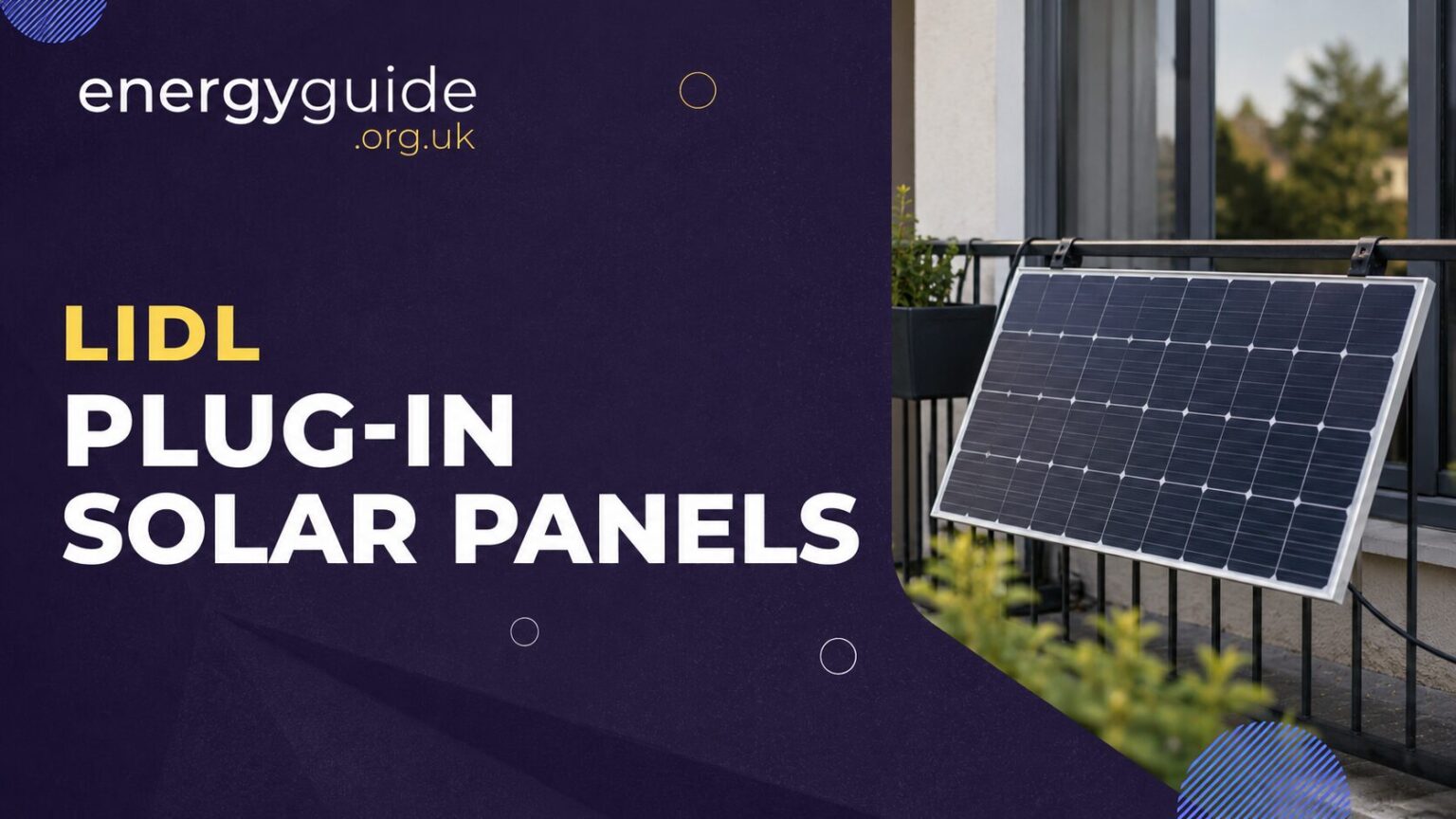 Lidl plug-in solar panels
There’s a catch, of course. In the UK, the sun isn’t exactly a reliable friend. We get about 1,400 hours of sunshine a year compared to Spain’s 2,800. So, on a cloudy February Tuesday, your panel won’t power a whole house party. But on a bright summer day, it can knock off a significant chunk of your daytime usage. You’ll notice it on your bill, like finding a tenner in an old coat pocket.
The Hidden Hero: The Mircroinverter
Let’s talk about the real star of the show: the microinverter. This little black box does the heavy lifting, converting the panel’s direct current (DC) into alternating current (AC) that your house uses. Without it, you’d just have a very expensive garden ornament. Lidl’s kits, usually from brands like EcoFlow or Renogy, include a high-quality microinverter that talks to your home’s wiring. It’s clever, safe, and it meets UK regulations—so no need to be the “weird person with dangerous wires.”
The Big Picture: Saving the Planet One Plug at a Time
Here’s the fun comparison: every kilowatt-hour you generate with these panels is like not burning a bag of charcoal in a power station. Even a small 300W panel can prevent about 200 kg of CO2 from entering the atmosphere each year. That’s like taking a small car off the road for a month. Not bad for a device you stuck on your balcony with zip ties.
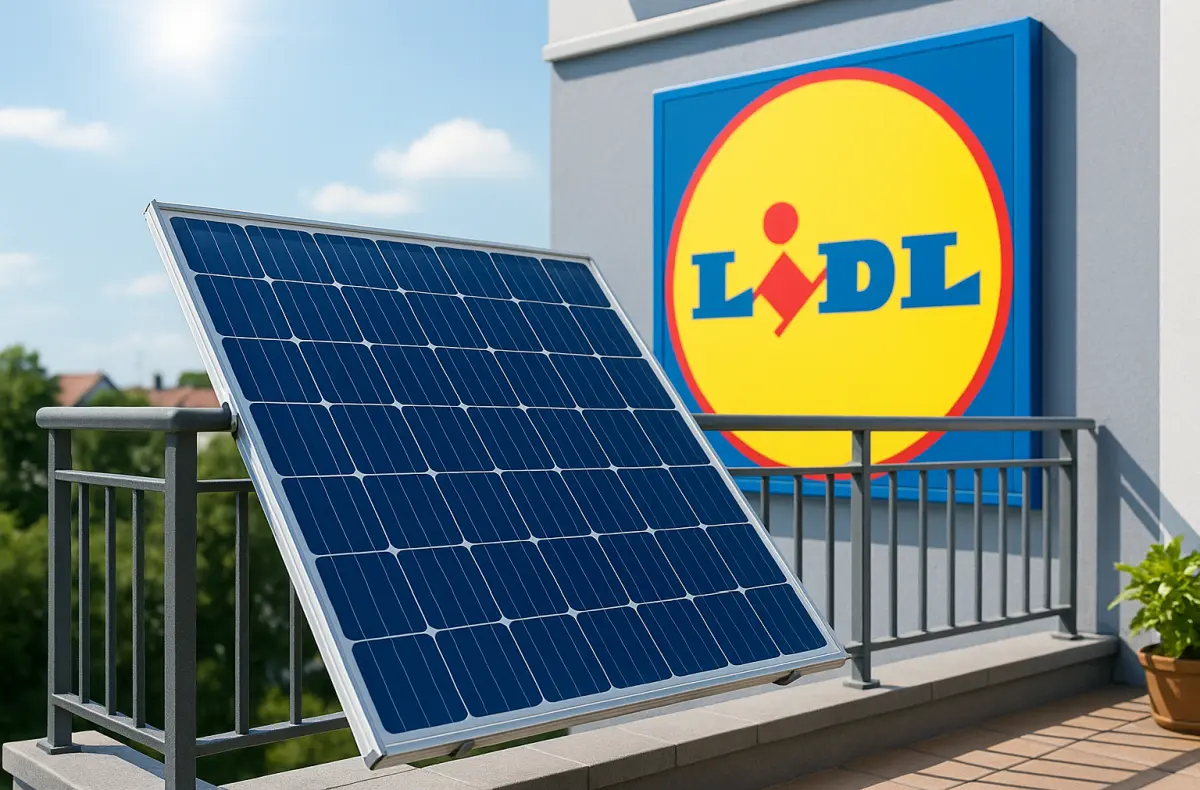 Solární balkonová elektrárna z Lidlu zlevnila o tisíce! Obsahuje i
And let’s be honest, there’s a certain nerdy satisfaction in watching your meter spin backwards (or at least slow down). You become a tiny energy baron, selling your surplus power back to the grid if you’re on the right tariff. It’s like having a lemonade stand, but the “lemonade” is electrons, and your only costs are sunlight and gravity.
So, Should You Grab One?
If you live in a flat with a sunny balcony, or you rent and can’t drill holes in the roof, this is your golden ticket. It’s also perfect for anyone who wants to dip their toe into solar without spending a fortune. You can always add more panels later if you catch the solar bug. Just be aware that they won’t power a hot tub or a full-time Bitcoin mining rig. They’re for the quiet, steady savings—like a savings account that lives on your wall.
So next time you’re at Lidl, grabbing a bag of carrots and a weird middle-aisle tool kit, take a moment to stare at those shiny blue rectangles. They might just be the best impulse buy you ever make. After all, the sun is free—Lidl just makes it easier to catch it.