You know that moment. It’s a Tuesday night. You’re staring into the pantry like it owes you money. The fridge has a half-empty jar of pickles and a sad, sweating bell pepper. And you’re supposed to make dinner.
That’s when you spot the tiny, red can lurking in the back. Tomato paste. The forgotten hero of the cabinet. It looks like a brick of flavor, all concentrated and serious. Most people treat it like a secret ingredient for stews, but today, it’s your entire dinner ticket.
Let’s be real: you are not making sauce from scratch with fresh tomatoes. That’s a summer weekend project, complete with tomato-skin peels stuck to your forearm. That is the marathon of cooking. We’re doing the sprint.
Must Read
Why tomato paste is your best friend
Think of tomato paste as the grumpy, focused uncle of the tomato family. A whole canned tomato is the goofy cousin—juicy, mild, needs constant attention. Tomato paste is the uncle who owns a lathe and will yell at you about “instant grits.”
It’s got deep, roasted sweetness already locked in. That wonderful, almost caramelized flavor? That’s what happens when tomatoes are cooked down for hours. With a can of paste, you cheat the clock.
You just need a little patience and a lot of water. Oh, and garlic. Always garlic. If you don’t have garlic, we can’t be friends. Not during dinner, anyway.
The “Don’t Burn It” Dance
Here is the first rule of paste club: do not just dump it in water and simmer. That is how you get sad, metallic soup. You need to awaken the paste. Heat a pan—medium heat, not “I’m in a hurry” nuclear heat.
Glug in some olive oil. Like, two tablespoons. Enough to make the paste glisten. Dump the whole little can in. It’ll look like a weird, sticky red brick.
Now stir it with a wooden spoon. The smell will hit you—a deep, earthy tomato aroma. It’s the smell of potential. You’ll feel like a kitchen witch. “Bubble, bubble, tomato trouble.” Don’t walk away. That paste will burn faster than a teenager’s mood.
Take a deep breath. You are frying tomato paste. For about two minutes. You want it to darken one shade—like a slightly tanned tomato. That’s the Maillard reaction, but I call it the “holy-smokes-this-will-be-good” effect.
Water, Water, Everywhere
Now add water. About two cups. But don’t be a robot—use a pasta pot. You’ll be cooking your spaghetti right in this sauce later. That saves a dish, which is the real victory.
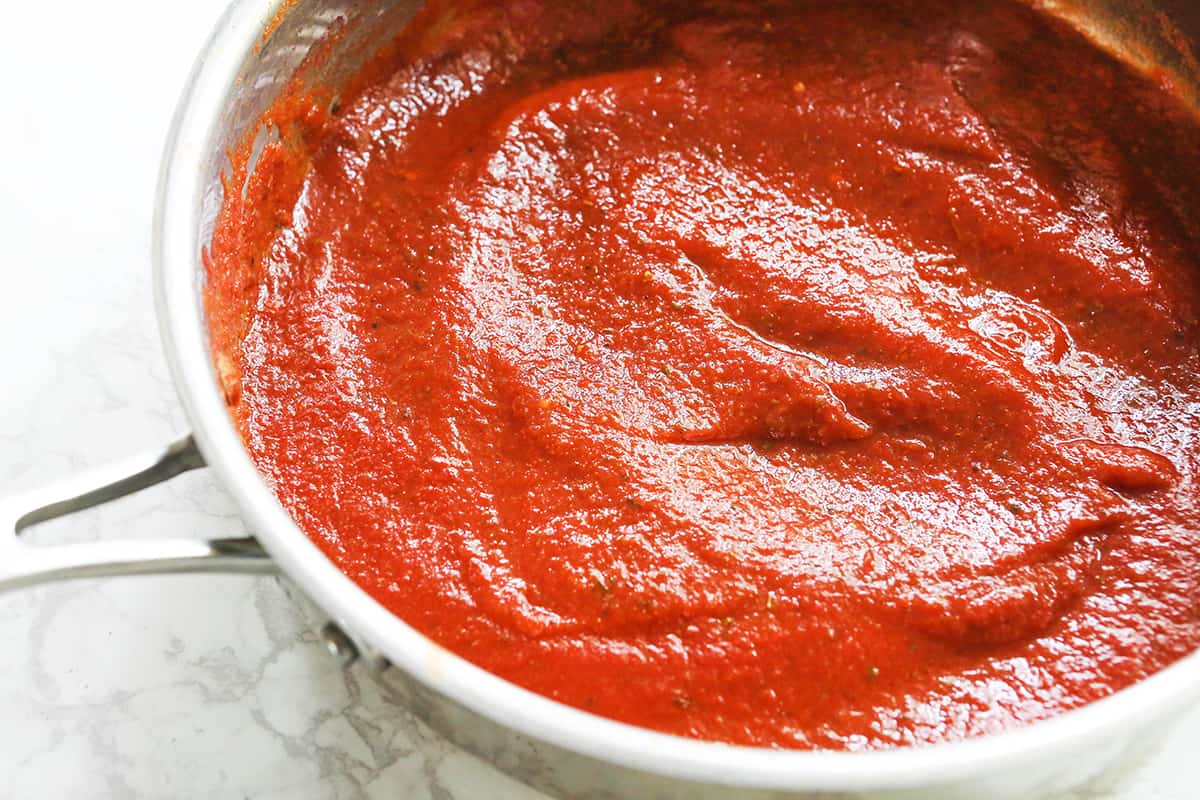
Stir it all together. The paste will surrender. It’ll loosen up into a smooth, sunset-orange sauce. Then add the garlic—minced, not crushed. You want little bits to find with your teeth. Yes, you want to find garlic with your teeth. That’s the fun of it.
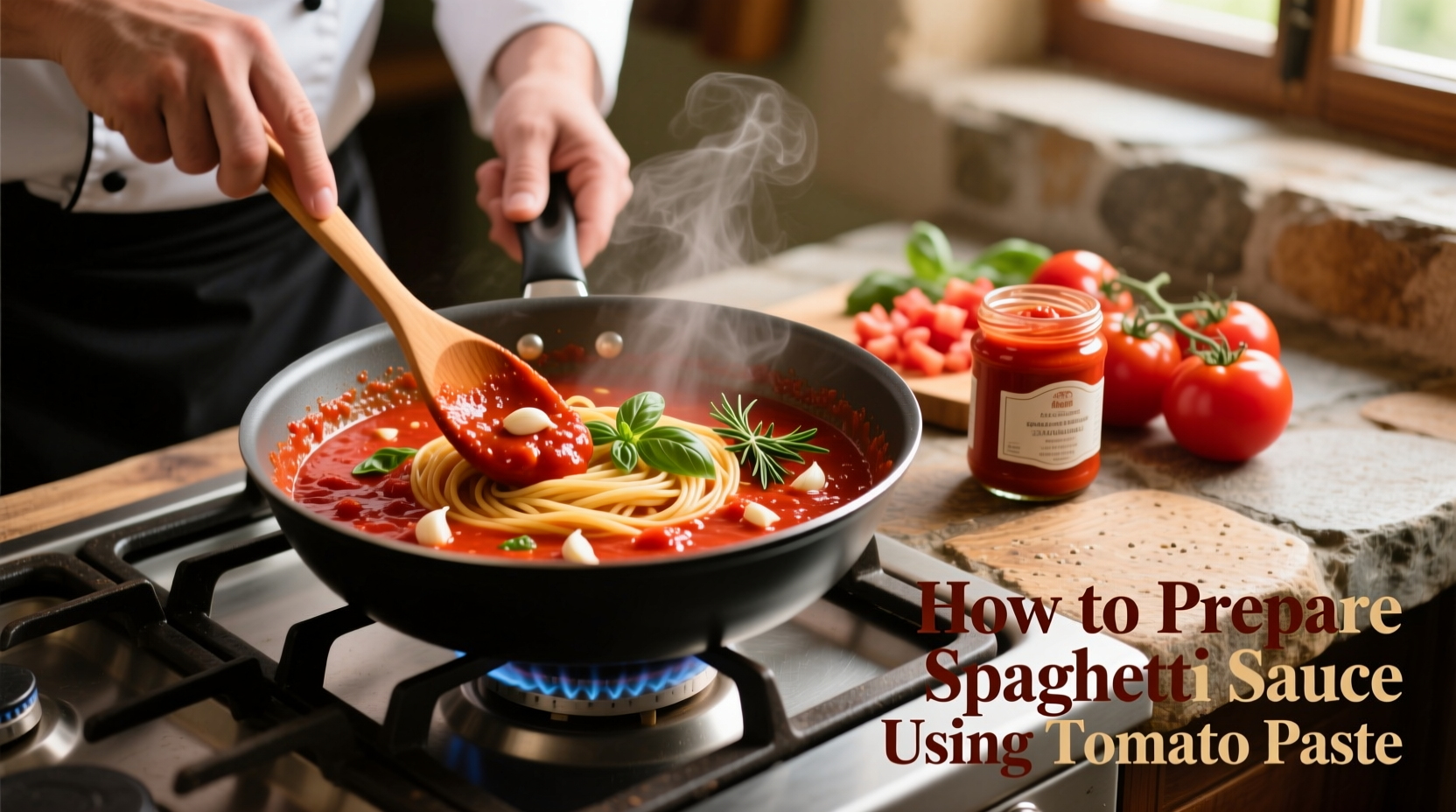 How To Prepare Spaghetti Sauce Using Tomato Paste
Seasoning time. Salt is non-negotiable. A pinch of sugar? Only if your paste tastes like a brick wall. A pinch of red pepper flakes. Not for heat—for a nudge. It makes the sauce say, “I’m awake, what’s up?”
Now, here’s the scary part: you add a tablespoon of butter. Yes, butter. It’s not traditional Italian, but you live in a real house, not a monastery. The butter makes the sauce round and velvety. It’s the hug the sauce needs.
The Simmering Secret
Let it bubble gently. Not a full boil—a lazy, happy simmer. This is where the magic happens. The flavor molecules stop fighting and become friends.
You can simmer for 10 minutes and it’s good. Simmer for 30 minutes and it’s great. Simmer for an hour, and you’ll start crying that you didn’t make this sauce sooner. It reduces, thickens, and turns a deeper red.
If it gets too thick, add a splash of pasta water. Not tap water. That pasta water is liquid gold—it has starch that makes the sauce cling to noodles like a koala to a tree.
The “Oops, That’s Dinner” Moment
Boil your spaghetti. Aldente is the goal—not “mushy regret.” Before you drain it, save a cup of that golden water. Then dump the pasta directly into the sauce pan.
Toss it. Really toss it—like you’re flipping a pancake. The sauce will coat every strand. You’ll see it disappear into the noodle cracks. That’s sauce integration. It’s a beautiful thing.
Plate it up. Grate some Parmesan on top. Not the green can—the real stuff. You earned it. Or use the green can. Look, we’re not judging. We’re eating.
You just made restaurant-quality spaghetti sauce from a six-ounce can. You are a pantry wizard. Your wallet is happy. Your belly is happy. And you didn’t have to peel a single tomato.
So next Tuesday, when the fridge gives you that empty stare, you know the answer. Grab the little can. Fry it. Water it. Simmer it. Eat it. Life is that simple, and that delicious.