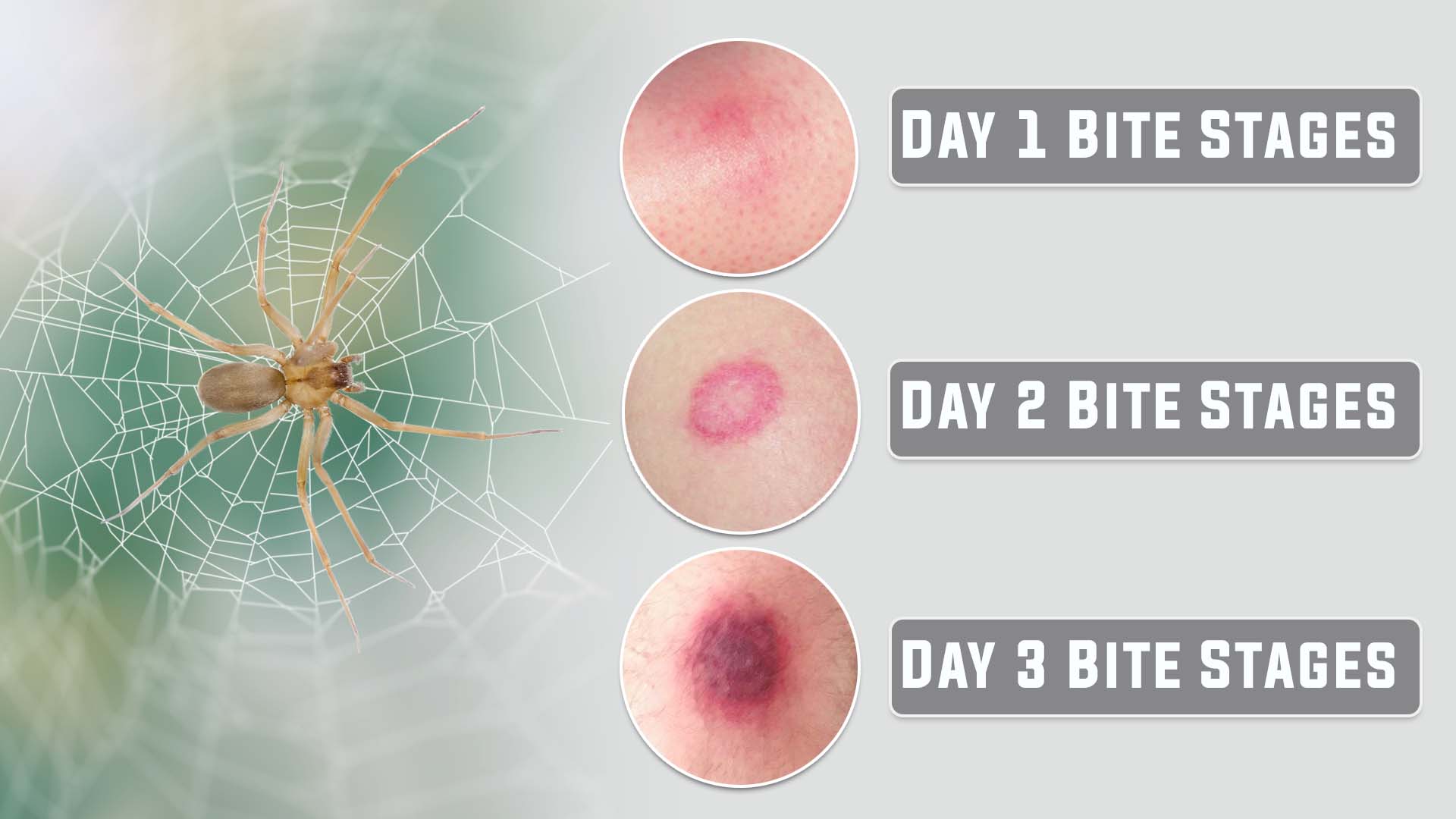
Let’s be honest: spiders get a bad rap. They’re the uninvited guests who show up in your shower, your boot, or—worst of all—your bed. But here’s the secret nobody tells you: knowing how to manage a spider bite actually makes you feel like a wilderness hero. It turns a moment of panic into a story you’ll tell with a laugh.
First, take a deep breath. Seriously, put your hand on your chest and breathe. Over 99% of spider bites are harmless—they cause a little redness, some itching, and maybe a tiny welt. You are not dying. You are not turning into Spider-Man (though that would be cool). You’re just having a minor skin adventure.
The Golden Rules: Wash and Chill
Your first move is embarrassingly simple: wash the bite with soap and water. This cleans the area and reduces your risk of infection. It’s the same thing you do after touching raw chicken—except now you’re a spider-bite survivor.
Must Read
Next, grab an ice pack (or a bag of frozen peas). Apply it for 10 to 15 minutes to bring down swelling and numb the sting. A little cold goes a long way toward making you feel like a calm, capable adult.
If you’re itchy—and you will be—resist the urge to scratch. I know, it’s like being told not to think of a dancing penguin. Scratching opens the skin and invites bacteria to a party you don’t want. Instead, dab on some hydrocortisone cream or a baking-soda paste (just mix water and baking soda). It works better than you’d think.
 How To Identify Spider Bites And Treatment Fitness Health Forever
When Should You Actually Worry?
Here’s the trick to staying lighthearted: know the two troublemakers. In the US, that’s the black widow and the brown recluse. Their bites can cause real symptoms: muscle cramps, fever, vomiting, or a blister that grows into a nasty sore. But here’s the good news—these spiders are shy recluses (literally). They almost never bite unless you squish them against your skin.
So, what do you do if you see those symptoms? Call your doctor or head to urgent care. That’s it. You don’t need to catch the spider (though it helps if you can snap a blurry photo). Doctors deal with this every day. They won’t laugh—well, maybe a little—but they’ll help you.
The Fun Part: You Become the Expert
Once you know the basics, you become the cool friend who stays calm when everyone else screams. Your hiking group will look to you when someone feels a pinch. You’ll say, “No big deal. Let’s wash it. Who’s got the ice?” while everyone else is doing a panic dance.
 First Aid for Spider Bites: 6 Quick and Effective Steps
And here’s the best part: you can stop fearing spiders. Most spiders are actually pest-control heroes—they eat mosquitoes, flies, and other creepy-crawlies you hate more. By understanding and respecting them, you free yourself from that irrational scream. You can even appreciate the clever web in your garden window.
Managing a spider bite is just a tiny act of everyday confidence. It’s a skill that takes five minutes to learn and gives you a lifetime of cool points. Plus, it makes for a great story: “Remember that time I got bit by a spider and didn’t even flinch? Yeah, that was me.”
So go ahead—keep exploring your attic, your backyard, your camping dreams. Spiders are just part of the scenery. And now you’ve got the know-how to turn a bite into a badge of honor. Isn’t it amazing what a little knowledge can do? You’ve got this.