
Let’s be honest: you’ve been lied to. Or, at the very least, you’ve been omitted from the truth. The secret to a quiche that makes your friends weep with joy isn’t the creamy, custardy filling—it’s the crust. Specifically, a pre-baked crust. You can’t skip this step, unless you enjoy the soggy floor of a pie tin screaming for help.
I learned this the hard way. My first quiche looked like a crime scene, with a soggy, pale bottom that collapsed under the weight of its own shame. The filling was lovely, but the crust? It had the structural integrity of a wet paper towel. I had to apologize to my guests. Don’t be like Past-Me. Be Pre-Baked.
Pre-baking, or “blind baking,” is the culinary equivalent of giving your crust a pep talk before the big game. You’re essentially saying, “Listen, dough, you’re going into a hot, wet environment. Toughen up.” If you don’t do it, the liquid from the eggs and cream will soak into the raw pastry, turning it into a gluey, sad mess.
Must Read
The Great Soggy Bottom Epidemic
Here’s the surprising fact: quiche filling is mostly water. Eggs are 73% water, milk and cream are over 80% water. So when you pour that lovely mixture into an unbaked crust, you’re basically dropping a water balloon into a flour hotel. That balloon will pop, and the hotel will dissolve.
Some people think they can outsmart the physics by using a thicker crust or a higher fat content. They are wrong. The only way to win is to evict the water before it moves in. That means getting that crust hot and set before the filling ever touches it.
A fully pre-baked crust is golden, crisp, and aromatic. It’s like a little edible bowl of armor. But—and this is the strange part—you don’t want to bake it all the way through if you’re filling it right away. A partial pre-bake (10-15 minutes) is your sweet spot.
The Parchment Paper & Rice Gambit
Now, how do we actually blind bake without the crust puffing up like a angry pufferfish? You need parchment paper and pie weights. What are pie weights? Little ceramic beans or metal chains. If you don’t have them, use dried beans, rice, or even a stack of pennies. I once used my neighbor’s old foreign coins. It worked, but I felt like a pirate.
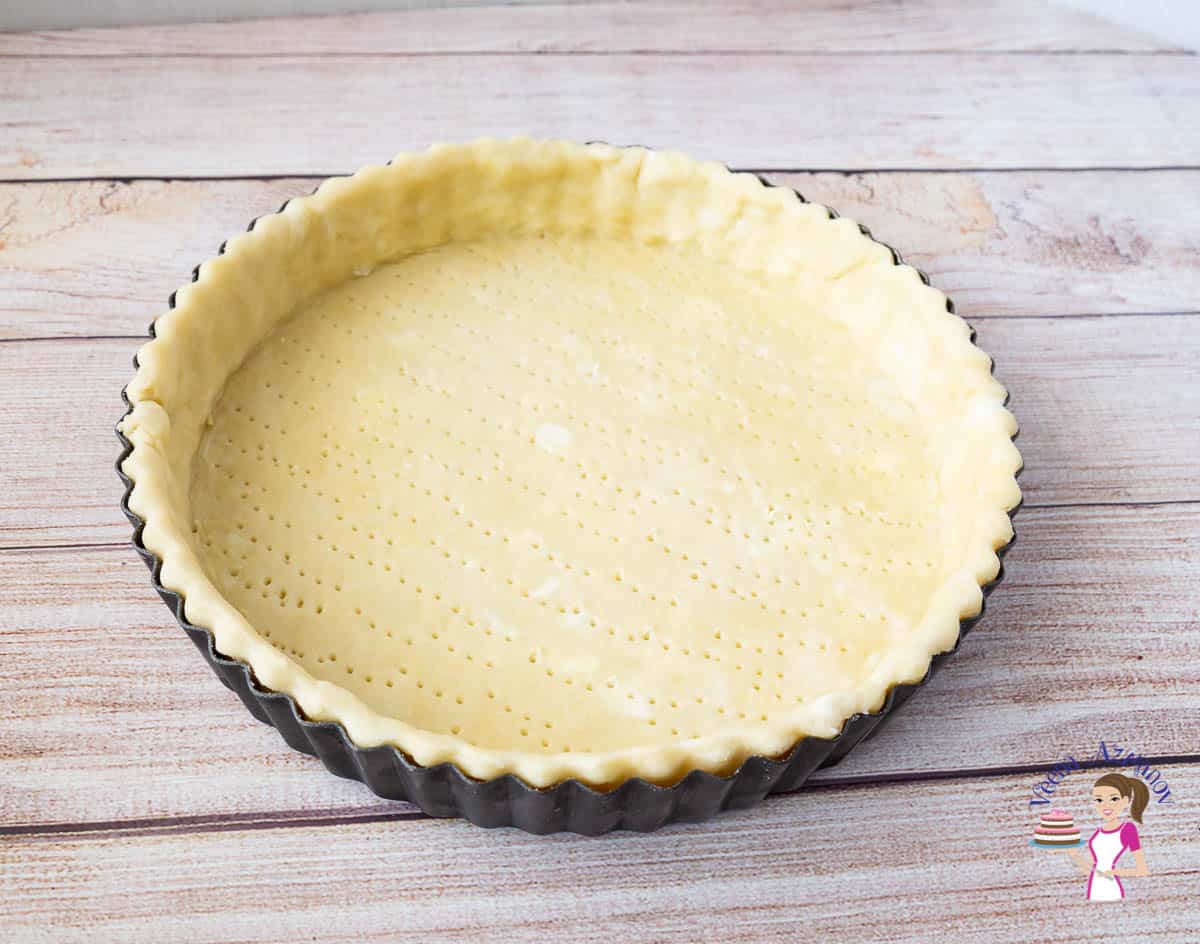 Know your Pastries - Different Types of Crust Explained - Veena Azmanov
Line your crust with parchment paper, then pour in your weights. This keeps the dough from bubbling up. Bake it at 375°F (190°C) for about 12-15 minutes. Then, carefully lift out the paper and weights. The crust should look set but pale, like a Victorian child after a long winter.
Here’s the magic trick: prick the bottom of the crust with a fork before you add the paper and weights. You want steam vents. Unchecked steam will create bubbles that lift the crust off the pan, making it look like a topographical map of a war zone.
The Custard Showdown
If you’re making a quiche with a very wet filling—like spinach that hasn’t been squeezed dry, or juicy mushrooms—you need to go even further. You must fully pre-bake the crust until it’s golden brown. A par-baked crust will still soak up moisture from a heavy-duty wet filling. Trust me, a dry, fully-baked crust is a fortress.
I once made a quiche with sun-dried tomatoes packed in oil. I didn’t fully pre-bake the crust. The result was a geological disaster: the crust crumbled into the filling like a mudslide into a lake. My guests ate it with spoons and pity.
Another secret weapon? Brush the hot crust with a beaten egg white before adding the filling. This creates a thin, waterproof sealant. It’s like varnishing a painting. It keeps the barrier intact. Do this right after you pull the crust from the oven, while it’s still screaming hot.
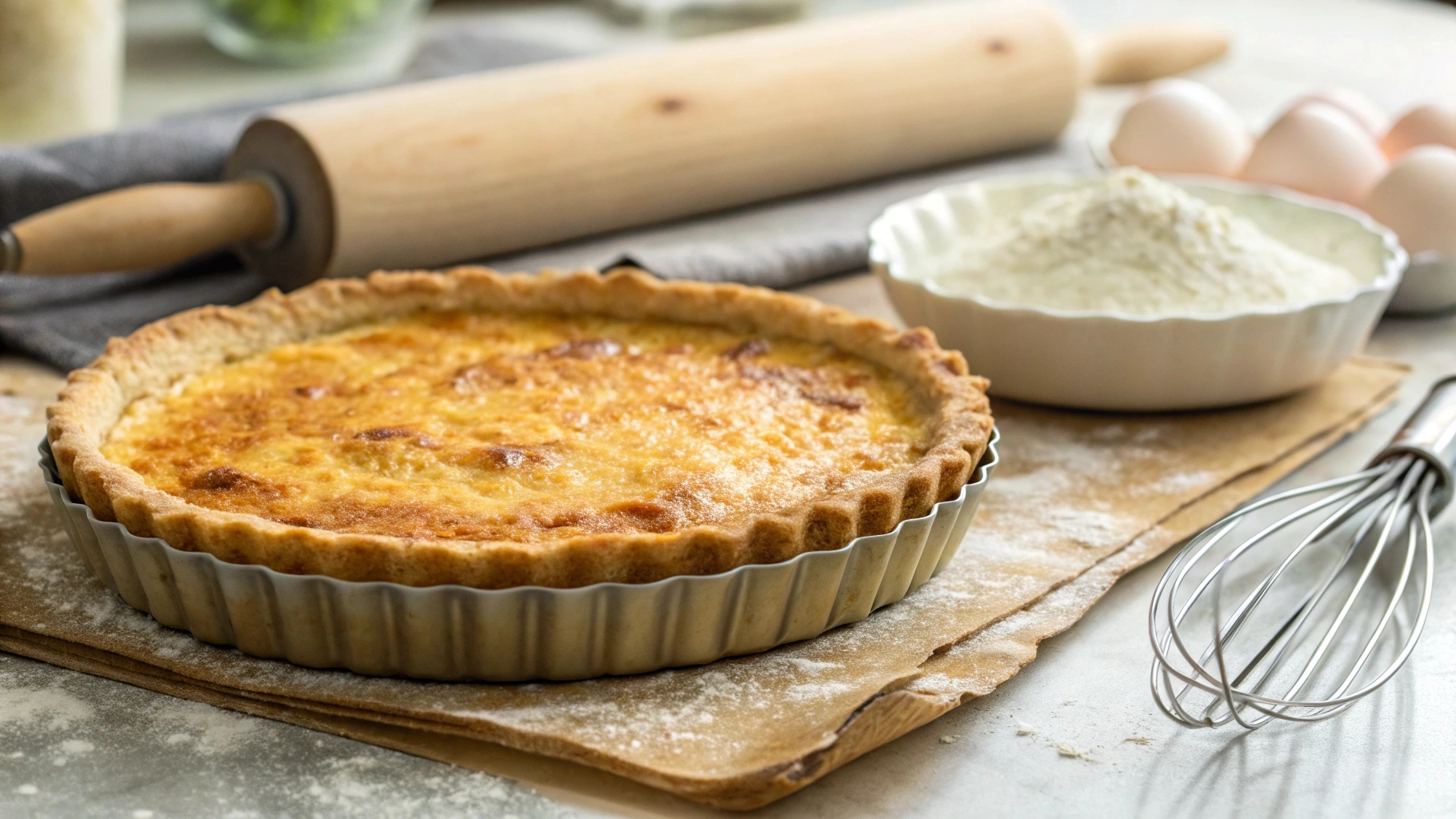 How to Pre-Bake Quiche Crust for a Perfectly Crispy Base
The Cool-Down Conspiracy
Let the crust cool for five to ten minutes before you pour in the custard. If you pour hot milk directly into a hot crust, you might shock the butter and cause a mess. But if you pour cold filling into a hot crust? That’s a recipe for a soggy bottom. It’s a finicky dance. Be gentle.
Here’s a joke I tell myself while baking: “Why did the quiche go to therapy? Because it had a crumby childhood.” I’m not proud of it, but it makes the blind baking process feel faster. Usually, it doesn’t.
And a final, wild fact: the first recorded quiche was made in 16th-century Germany, but it was a simple egg-and-cream pie with no crust at all. It was basically a baked omelet. Then the French came along, added a pastry crust, and civilization improved dramatically.
The Verdict
You have a choice now. You can be a rebel and skip the pre-bake, ending up with a quiche that looks like a soggy tire. Or you can take 20 extra minutes, blind bake your crust, and become a legend. The choice is clear. Pre-bake or perish.
Go on. Get that dough in the oven. Give it the heat treatment it deserves. Your future self—and your breakfast guests—will thank you. And if anyone asks why your quiche is so perfect, just say, “I have a very supportive crust.” Then wink. It’s a foodie mystery they’ll never figure out.