
Let’s talk about Shiraz, that dark, brooding rebel of the wine world. You’ve probably seen it on a menu and wondered: is this stuff going to be a sugar bomb or a tannic knockout? The answer, my friends, is as confusing as a cat that loves belly rubs but also hates them.
First, a shocker: technically speaking, almost all red wines, including most Shiraz, are dry. That means they have very little residual sugar left after fermentation. But don’t let the “dry” label fool you—your taste buds can be the world’s most gullible liars.
The Great Sugar Deception
You can sip a bone-dry Shiraz and swear you’re tasting jammy, ripe plums. That’s not sugar, that’s the wine’s fruitiness doing a full-on magic trick on your tongue. It’s like when your brain thinks a sour patch kid is sweet because it smells like candy.
Must Read
Here’s the twist: climate dictates everything. A Shiraz from a hot place like Australia’s Barossa Valley is a fruity, jam-packed powerhouse that tastes sweet. A cooler-climate Shiraz from, say, the Northern Rhône in France, is more like a spicy, leathery ninja—savory, not sweet.
But wait—there ARE sweet Shiraz wines out there, and they’re the black sheep of the family. Look for "Late Harvest" or "Vin Doux Naturel" on the label. Those are the dessert wines that make your dentist weep with joy and your wallet weep with sorrow.
The "Jam Factor" (or, How to Find Your Sweet Spot)
Order a bottle of Yellow Tail Shiraz and you’ll get a cheap, cheerful, sweet-ish experience. It’s the wine equivalent of a candy bar that’s on sale. Drink a Penfolds Grange and you’ll get a complex, dry monument to winemaking that costs as much as a used car.
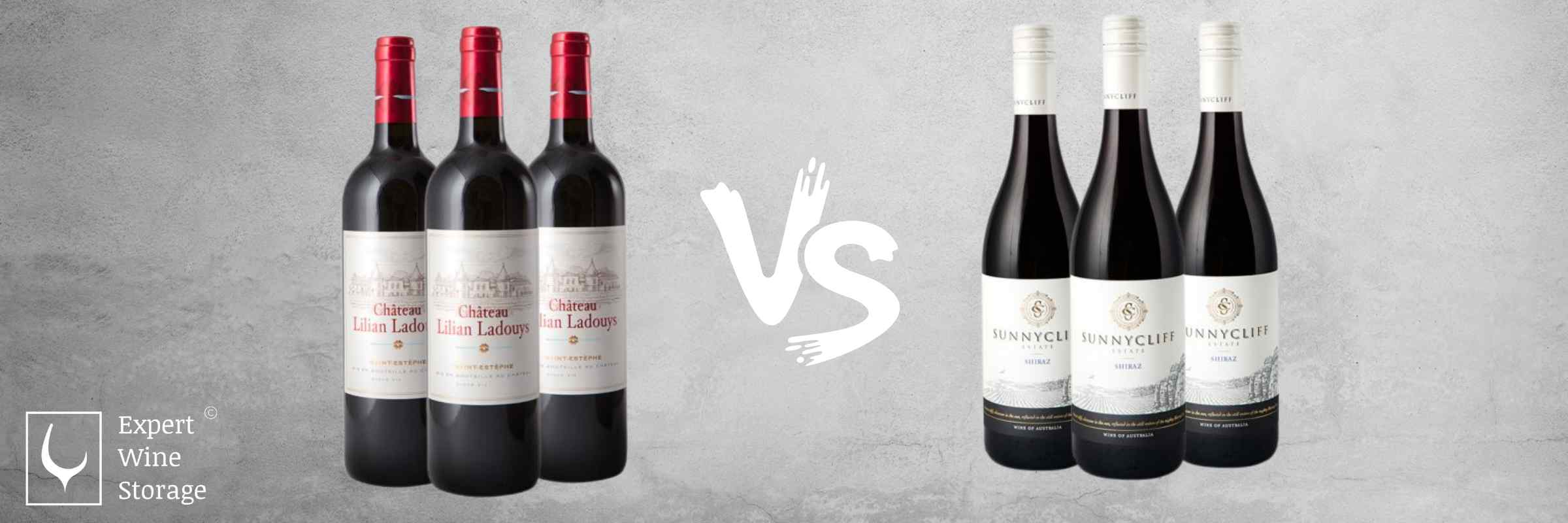 Is Merlot Sweet or Dry? (Wine Sweetness Chart) | Expert Wine Storage UK
Surprising fact: most people who say they hate “dry” red wine actually love dry Shiraz—they just don’t know it yet. Your brain associates dark fruit flavors with sugar, so you think you’re drinking grape juice with a hangover. You’re not; you’re just being fooled by Mother Nature’s prank.
Here’s a handy rule: if a Shiraz is labeled “Jammy,” “Big,” or “Fruit-Forward,” it’s going to taste sweet even if it’s dry as a bone. If it says “Earthy,” “Peppery,” or “French,” your brain will register it as dry, even if it has the same amount of sugar.
How to Order Without Looking Like a Fool
Step up to the bar, puff out your chest, and say: “I’d like a Shiraz that’s fruit-forward and smooth.” That’s code for “I want it to taste sweet without admitting I’m a sugar hog.” The bartender will nod, pour you a glass of something from McLaren Vale, and you’ll feel like a sommelier genius.
 Is Shiraz Wine Sweet? Exploring the Sweetness Spectrum
If you truly want a sweet Shiraz, go ahead and ask for a “Late Harvest Shiraz” or a “Shiraz Dessert Wine.” Just be prepared for a wine so thick it could double as pancake syrup. It’s rare, but it exists, and it’s glorious in small doses—like eating an entire chocolate cake, but with less regret.
The One Sentence Cheat Sheet
Most Shiraz is dry but tastes sweet because of intense fruit flavor; actual sweet Shiraz is a rare, sticky dessert wine that will make you grateful for moderation. Now go forth, order a glass, and impress your friends with your new knowledge. Or annoy them. Either way, you’ll be the person who finally understands why that dark red mystery tastes the way it does.
And if anyone asks you if you prefer dry or sweet Shiraz? Just smirk, take a sip, and say, “I prefer the truth, which is that wine is a glorious liar.” Then casually drop the phrase “residual sugar deception” and watch them be both confused and impressed. You’re welcome.