So, you’re staring into your fridge, ketchup in hand, and you spot the mustard. You pause. A deep question bubbles up: should this yellow devil be in the fridge? It’s the kind of existential crisis we all face at 10 PM on a Tuesday. Let’s settle this, once and for all, with a side of giggles.
The Cold, Hard Truth About Condiments
First, let’s look at what mustard is. It’s basically ground-up mustard seeds, vinegar, salt, and a little bit of magic. Vinegar is a natural preservative—it’s like a tiny suit of armor for your condiment. That means mustard is surprisingly tough. It’s not like milk, which starts writing sad poetry if left out for an hour.
But here’s where things get cheeky. Refrigeration is all about flavor and shelf life, not safety. You won’t die from room-temperature mustard. The fridge just keeps it from turning into a sad, brownish paste that tastes like disappointment.
Must Read
The Great Mustard Debate: Fridge vs. Pantry
Your grandma kept her mustard in the pantry, and she lived to be 97. She’d probably call you a “fancy pants” for even asking. And you know what? She’s sort of right. Unopened mustard can chill in your pantry for years. It’s like a super soldier in a bottle.
But after you twist that cap off, the plot thickens. Oxygen, that sneaky little thief, starts stealing the mustard’s zing. The fridge slows that thief down. It keeps your mustard bright, spicy, and ready to rock a hot dog.
So, the real question isn’t “Will I die?” but “Do I care?” If you’re a mustard hero who uses it up in a month, the pantry is your palace. If you’re a casual dipper, the fridge is your friend.
What the Experts (and the Bottle Label) Say
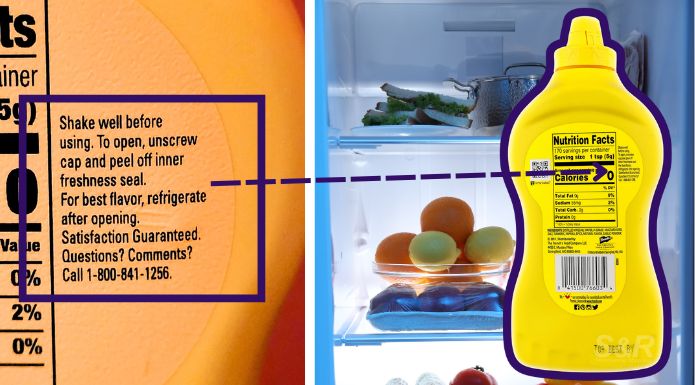
Snag your mustard bottle and read the fine print. Seriously, go look. I’ll wait. Most bottles say “Refrigerate after opening.” That’s not just lawyer-speak. It’s because the manufacturer wants you to have the best experience. They spent years perfecting that tang, so don’t betray them.
But here’s a little secret: French’s yellow mustard is practically immortal. It has so much vinegar and turmeric that it could survive a zombie apocalypse. Dijon and whole-grain mustards are more delicate. They’re the opera singers of the mustard world—fancy and prone to drama. They crave the cold.
If you leave a fancy stone-ground mustard out for three months, it won’t kill you. But it will taste like a sad, acidic hug. You’ll be dipping your pretzel in regret.
 Should Mustard Be Refrigerated? Storage Tips For Freshness And Flavor
Real Talk: The “Fridge Fail” Exceptions
Let’s talk about honey mustard. That sweet, sticky darling. Because it has sugar (which germs love), it’s more vulnerable. Always fridgify honey mustard. Otherwise, you might find a science experiment instead of a dipping sauce.
And what about those little packets from fast-food joints? They can live in your glove compartment for years. They’re basically mummified. I once found a mustard packet from 2017 in a jacket pocket. It was fine. Don’t try that with mayonnaise.
The only mustards that demand the fridge are ones with fruit, fancy wine, or dairy. Check the label. If it says “Keep me cold!” in sassy capital letters, listen to it.
The Ultimate Test: Your Taste Buds
Here’s a mini experiment for you. Go grab two hot dogs. Put fridge-cold mustard on one, and room-temp pantry mustard on the other. Notice the difference. Cold mustard gives a sharp, clean kiss. Warm mustard is a bit more mellow, like a sleepy dragon.
Now, ask yourself: “Which dragon do I want on my lunch?” If you’re building a gourmet sandwich, the cold sharpness wins. If you’re slathering a bratwurst at a cookout, room temp is totally fine and actually easier to squeeze.
And here’s the plot twist: Some people say cold mustard stings more. It’s like a spicy wake-up call. Warm mustard is more gentle. So really, this is a personal preference, not a law of physics.
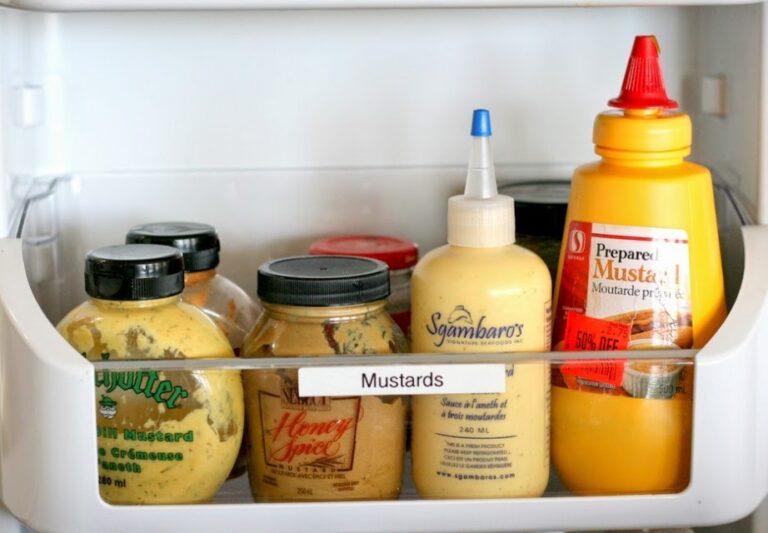 Does Mustard Need to Be Refrigerated after Opening? How To Store
One Weird Hack for Mustard Lovers
If you’re a fridge-purist, do this: Take your mustard out ten minutes before using it. Let it warm up slightly. It’ll spread like butter and taste more vibrant. You’ll feel like a condiment genius.
And please, for the love of all that is holy, do not store mustard in the fridge door. The door is the warmest spot! It’s like putting your snowman in a sauna. Keep it in the main body of the fridge where it’s consistently cool.
If you commit the cardinal sin of door-storage, your mustard will separate and get weepy. You’ll pour out a watery, sad “hello” instead of a thick, confident “HELLO!”
The Final Squeeze: A Happy Ending
So, should mustard be in the fridge? The official answer is: It’s up to you, you beautiful, mustard-loving rebel. The fridge keeps it fresher longer. The pantry keeps it convenient and spreads easier. Neither choice will summon a kitchen monster.
At the end of the day, mustard is a joyful, forgiving condiment. It doesn’t hold grudges. It doesn’t judge you for forgetting it on the counter for a weekend. It just wants to be squeezed onto your food and make you smile.
So own your decision. Put it in the fridge if you’re a planner. Keep it out if you’re a wild child. Just don’t forget to use it. Because the saddest mustard is the one that sits alone, unloved, and past its prime—no matter where it lives.
Now go forth and mustard with confidence. And maybe eat a hot dog while you’re at it. You deserve it.