
Picture this: You’ve prepped a gorgeous salmon fillet, your quinoa is fluffy, and you’re craving a bright, crisp side of broccoli. You open the cabinet, and… gasp. The steamer basket has vanished, likely on a permanent vacation with your missing Tupperware lids. Don’t panic. This is not a kitchen crisis; it’s just an invitation to get creative.
The Myth of the Specialized Tool
We’ve been sold the idea that you need a $30 bamboo steamer or a fancy silicone basket to perfectly steam vegetables. The truth is far more liberating and much cheaper. Humans have been steaming food for millennia using nothing but heat, water, and a simple vessel.
Your everyday cookware is already a steamer in disguise. A standard pot with a lid is your greatest ally. You don’t need a gadget; you just need a technique.
Must Read
Your New Best Friend: The Water Trick
The most reliable method is the shallow water steam. Grab your pot, add about a half-inch of water—seriously, no more than that— and bring it to a rolling boil. Toss in your broccoli florets, slap the lid on tight, and reduce the heat to medium.
Here’s the magic: the broccoli isn’t sitting in the water; it’s trapped in a cloud of vapor. After three to four minutes, you’ll have perfectly tender-crisp florets. This works because the steam does the cooking, not the boiling liquid.
Pro Tip: The Flame Game
Keep the flame high enough to maintain steam, but low enough to prevent the water from evaporating completely. You hear a gentle rattle, not a violent hiss. If the water runs dry, you’re just roasting, which is fine, but that’s a different article.
The Ninja Move: The Microwave Mug Steamer
Yes, the microwave is your friend here, and it’s embarrassingly efficient. Place your florets in a deep, microwave-safe bowl or a large mug. Add one tablespoon of water per cup of broccoli.
Cover the bowl with a microwave-safe plate or a damp paper towel. Nuke on high for 90 seconds for a single serving, or two to three minutes for a crowd. Let it sit for a minute before uncovering—the residual steam finishes the job.
Fun Fact with a Japanese Twist
This method is oddly similar to an old Japanese technique for cooking vegetables in a donabe clay pot, where a tiny amount of water creates a powerful steam bath. You’re channeling centuries of minimalist cooking wisdom right inside your microwave. Take that, IKEA kitchen gadget section.
The Sheet Pan Steam Hack (Yes, Really)
If you have an oven preheating for another dish, use it. Place your broccoli on a rimmed baking sheet. Drizzle with a teaspoon of water, and seal the sheet tightly with aluminum foil. Bake at 425°F for about 8 minutes.
The foil traps the moisture, creating a mini-steam chamber. The result is broccoli that’s steamed yet slightly charred at the edges—the perfect hybrid of texture. It’s the lazy cook’s miracle. The florets come out tender, never mushy.
Don’t Forget the Flavor Bomb
Here is where the lifestyle part kicks in. Once your broccoli is steamed (by any of these methods), do not serve it plain. That’s a tragedy. Immediately toss it with a finishing salt like flaky Maldon, a squeeze of lemon, and a glug of good olive oil.
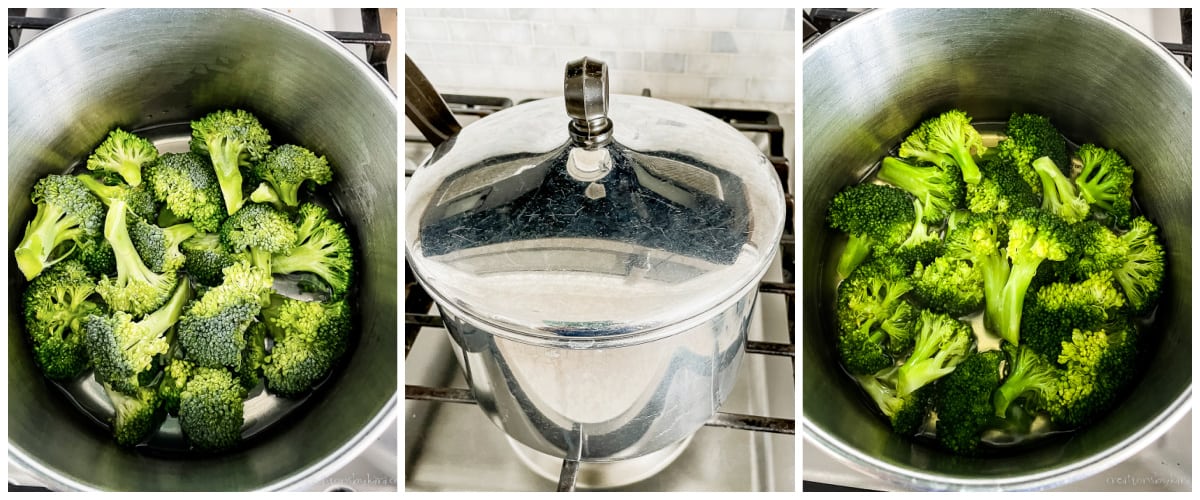 How To Cook Broccoli On Stove
For a modern twist, try a pinch of furikake (that Japanese rice seasoning with seaweed and sesame) or a drizzle of miso-tahini dressing. The steam process makes the florets porous, so they absorb these flavors beautifully.
Culturally, this is the soul of Cantonese cooking, where gaai laan (Chinese broccoli) is simply steamed then drenched in oyster sauce. Simplicity is the point.
The Texture Check
How do you know it’s done? The classic test: pierce the thickest stem with a fork. It should slide in with a little resistance—like cutting through a firm avocado. If it falls apart, you’ve over-steamed, but that’s fine for soup.
Bright green is the goal. Dull olive is the sign of a steam that went too long. Pull it the moment it turns vibrant. You can always add 30 seconds more.
A Little Science, A Little Soul
Steaming without a basket is actually better for nutrition. The broccoli sits away from direct contact with boiling water, which means fewer water-soluble vitamins (like Vitamin C and B-complex) leach out. You’re keeping the good stuff inside the plant, where it belongs.
Fun fact: A single cup of steamed broccoli has more Vitamin C than an orange. And you’re doing it with a pot you already own. That’s efficiency disguised as cooking.
Reflection: The Art of Making Do
There is a quiet, almost meditative joy in solving a kitchen challenge with only what you have. When you ditch the specialized tool, you reconnect with the essence of cooking—heat, water, and patience. That missing steamer basket isn’t a setback; it’s a nudge to improvise.
Life works the same way. You don’t always have the perfect tool for the job, but you almost always have a way to get the job done. So go ahead, steam that broccoli without the basket. You’ll eat better, waste less, and feel just a little bit more like a kitchen wizard.
And remember: The broccoli doesn’t care if you used a basket or a bowl. It only cares if you ate it. Enjoy.