
So, you want to know how crime scene investigation really works? Forget the TV magic. It’s messier, slower, and way more fascinating. Let’s walk through the steps—like we’re solving a mystery together.
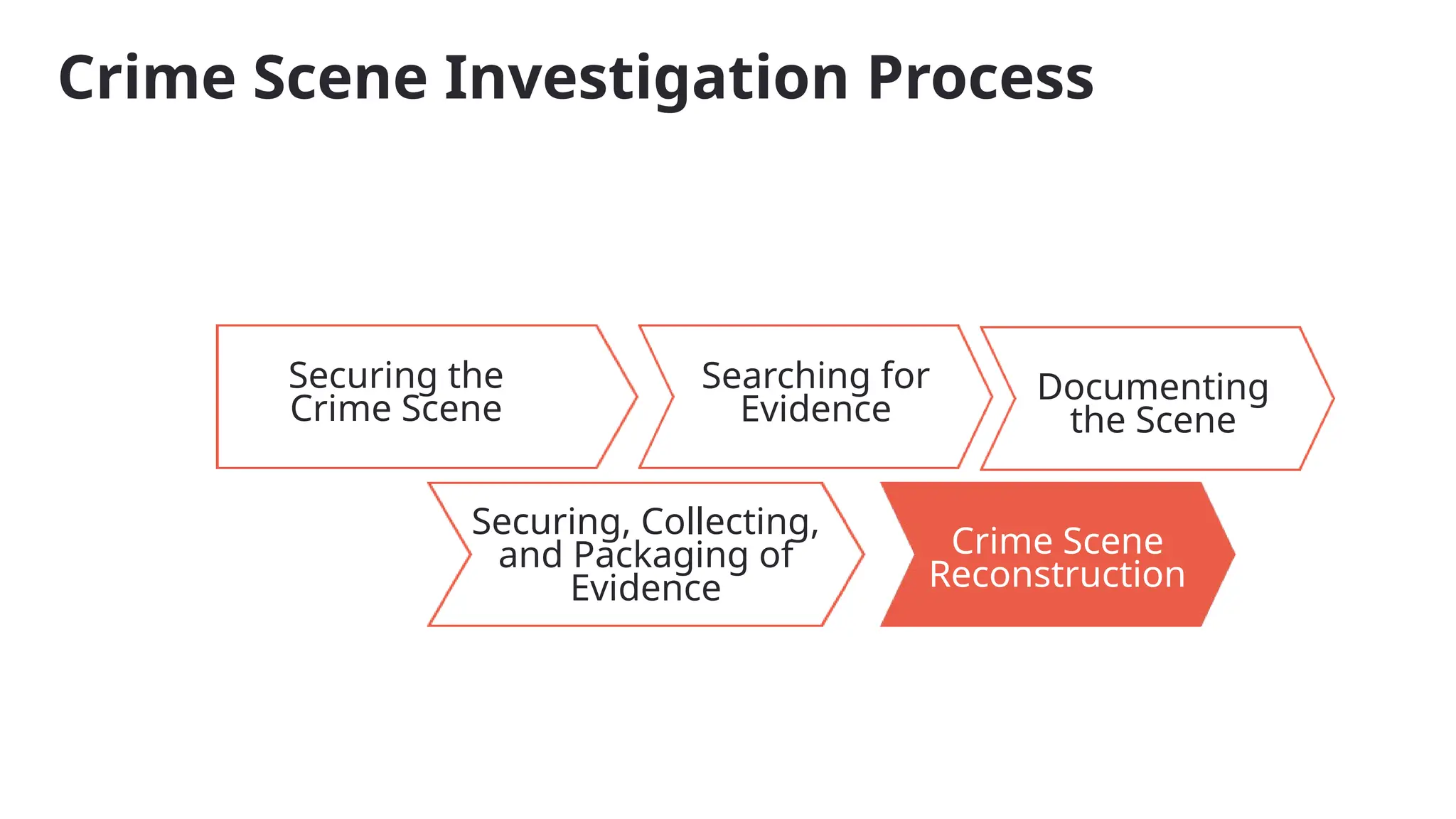
Step 1: Secure the Scene
First, someone yells “Freeze!” But not at the suspect. Everyone must stop moving. Officers cordon off the area with that yellow tape you’ve seen in movies. Why? Because people love trampling evidence without realizing it.
One poorly placed boot can ruin a single hair or a shoe print. That’s police work, not a hiking trail. The first responder is the unsung hero here—they make sure nobody sneezes and shifts a cigarette butt.
Must Read
Step 2: Document Everything
Now the photographer goes nuts. They snap hundreds of pictures. Every angle. From far away to super close-up. They even photograph the toilet if it’s in the room—yes, really.
Then come the sketches. Yes, people still draw. These are rough maps with measurements. “The bloody knife is 3 feet from the lamp.” It’s like geometry, but with murder as the teacher.
Why all the fuss? Because memory lies. Photos and sketches are the only truth. And trust me, you don’t want to rely on a detective’s memory after a 16-hour shift and too much coffee.
Step 3: Search for Evidence
Here’s where it gets gross and amazing. Investigators crawl on their hands and knees. They use flashlights at an angle—this makes invisible stuff pop out. Hairs, fibers, even tiny drops of dried juice. You call it dirt; they call it clues.
Funky fact: Luminol is a spray that makes blood glow blue in the dark. It’s like a rave for crime scenes. But it only works if the lights are off, so they do this while standing in pitch-black rooms. Spooky, right?
They also vacuum. Not for dust bunnies, but for trace evidence. The vacuum bag goes into a lab. Imagine the lab tech’s job: “Hey, I found dog hair and glitter.” That could crack the case.
Step 4: Collect and Bag It
Every piece of evidence gets its own paper bag. Plastic bags trap moisture and destroy DNA. So if you see a plastic-wrapped gun on TV, laugh. That’s Hollywood nonsense.
They label each bag with a special code. The chain of custody begins here. If the bag is missing one signature, the whole case falls apart. Lawyers love that loophole. It’s basically legal paperwork daredevilry.
Quirky detail: Chewing gum is gold. Why? It holds perfect saliva DNA. So, detectives sometimes pick gum off a sidewalk. Yes, it’s weird. Yes, it works.
Step 5: Process the Scene for Prints
Fingerprints are like tiny signatures we leave everywhere. Investigators dust with powder—black for light surfaces, white for dark ones. Then they lift the print with sticky tape, like a bizarre sticker collection.
But sweat doesn’t stay forever. Porosity matters. Wood absorbs sweat and makes prints blurry. Glass? Crystal clear. Ever touched a window? You’re leaving a love letter to the cops.
 Introduction to Crime Scene Investigation.pptx
Here’s a jaw-dropper: Feet have fingerprints too. Toes! So if a suspect walks barefoot, they leave toe prints. Detectives have actually matched them to suspects. Imagine that as a party trick: “I can identify you by your big toe.”
Step 6: Look for Patterns and Blood Splatter
Blood doesn’t just drip. It flies, pools, and spatters in specific ways. A drop that hits at a sharp angle looks like an exclamation point. A round drop means it fell straight down. Physics is a snitch.
There’s a whole science called bloodstain pattern analysis. One expert studied how blood behaves when a person is stabbed versus punched. It’s morbid math, but incredibly cool. They even use strings to trace back where a blow came from.
Patterns go beyond blood. A smashed window? The glass shards indicate direction of force. Was the person inside or outside? The glass tells the story. It’s like interviewing a window.
Step 7: The Body (If There Is One)
This is the most respectful step. A medical examiner or coroner examines the body at the scene first. They check rigor mortis—how stiff the body is. That helps guess the time of death. It’s like touching cold chicken, but with more science.
They also look at livor mortis. That’s the purple pooling of blood where the body rests. If the purple is on the back but the body is found on its side, someone moved it. Dead giveaway—literally.
Odd but true: Insects arrive on a clockwork schedule. Flies show up within minutes. Maggots grow at predictable rates. Entomologists can tell you exactly how long a body has been there by the bugs. It’s CSI: Bug Edition.
Step 8: The Final Walkthrough
After everything is bagged and tagged, the lead investigator does a final glance. They check for anything missed—a pen, a receipt, a stray hair. It’s like checking your pockets before leaving a plane, but with higher stakes.
Then they lock up the scene. The tape comes down. The neighbors go back to their lives. But all the clues are now in a lab, waiting to spill their secrets.
Why This Is So Much Fun
Because every crime scene is a puzzle. You don’t need a badge to be curious. You just need to notice the world. Why is that coffee cup out of place? Why is that window open an inch? You can play detective on a casual walk.
And remember: TV lies. Real crime scene work is slow, meticulous, and occasionally involves vacuuming up glitter. But it’s also the closest thing to real-life magic. Next time you see yellow tape, you’ll know: someone is writing the world’s strangest story, one piece of gum at a time.
Stay curious. And don’t leave your fingerprints everywhere.