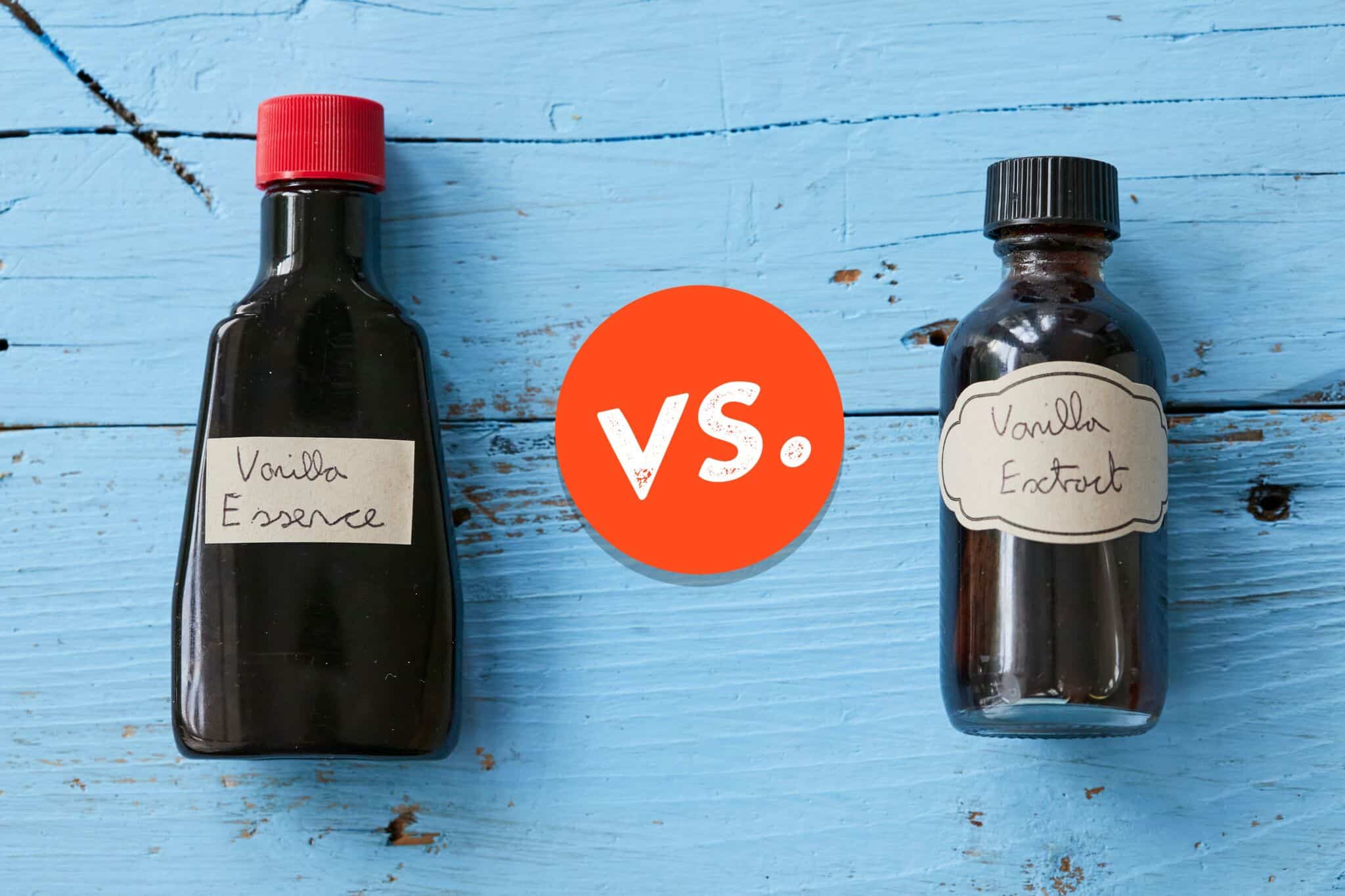
Let’s be real for a second: when you reach for that little brown bottle in the baking aisle, you’re making a choice that can quietly elevate your banana bread or subtly sink your cookies. I’m talking about the age-old showdown between vanilla extract and vanilla flavouring. It’s a debate that feels almost intimate, like choosing between a cashmere sweater and a polyester blend—both keep you warm, but one just feels like you.
First, let’s pour a little truth into your teacup. Real vanilla extract is made by soaking vanilla beans in alcohol and water, letting nature do its slow, sexy dance for months. The result? A complex, almost floral symphony of over 200 flavour compounds that can make your custard taste like it was blessed by a dessert deity.
On the other side, we have vanilla flavouring, often called imitation vanilla. This is the synthetic cool cousin, usually made from vanillin—a compound found in vanilla beans but often derived from wood pulp or petrochemicals. Yes, you read that right: your grandma’s secret cookie recipe might owe its charm to a bit of science and a tree.
Must Read
The price difference is where things get spicy. Pure vanilla extract can cost you $10 to $20 for a tiny 4-ounce bottle, thanks to labour-intensive farming in Madagascar and climate quirks. Vanilla flavouring, meanwhile, costs pennies—and a single bottle can last through a dozen birthday cakes without blinking.
When to Use Each (Without the Side-Eye)
Here’s the practical scoop: use real extract when vanilla is the star of the show. Think vanilla bean ice cream, crème brûlée, or a simple buttercream frosting. In these cases, the nuanced, boozy warmth of the real deal will whisper sophistication into every bite.
Vanilla flavouring is your secret weapon for heavy-duty baking—chocolate cakes, spiced cookies, or anything with cocoa powder, cinnamon, or coffee. When the flavour is being elbowed by stronger players, that synthetic vanillin holds its own without breaking the bank. It’s like wearing your good sneakers to the gym: you don’t need the designer pair for a workout.
Here’s a fun fact to drop at your next dinner party: vanilla is the second most expensive spice in the world, next to saffron. A single hand-pollinated vanilla orchid flower produces one bean, and the curing process takes months. No wonder your wallet winces.
Another cool tidbit: the Aztecs used vanilla to flavour their chocolate drinks, pairing it with honey and spices. They had zero synthetic options, so they basically lived in a golden age of gourmet. We can learn from them—sometimes, the real deal is worth the splat.
The Sniff Test
Pop open a bottle of pure extract and take a whiff. You’ll get a rich, almost fruity, boozy aroma with a warm, creamy finish. Now try the imitation flavour. It’s sharper, simpler—a single-note blast of sweetness that can feel a bit like a pop song on repeat. Neither is wrong, but your nose knows the difference.
For drinks? Always go real. A splash of pure vanilla extract in your morning coffee adds a luxurious depth that imitation just can’t fake. You’re already waiting for the caffeine; why not upgrade the vibe?
If you’re a baker who goes through vanilla like water, a practical tip: make your own extract. Buy a few vanilla beans, slice them open, and drop them into a bottle of vodka. Let it sit for three to six months, and you’ll have a DIY stash that tastes better and costs less than store-bought. Plus, it makes you look like a culinary wizard.
 What's the difference between vanilla extract, vanilla flavoring and
Think of vanilla flavouring as your reliable everyday friend who shows up with pizza and a movie. It’s not trying to be fancy; it’s just there to make things good. Use it for marshmallows, frosting for kids’ parties, or anything you’re mixing into a thousand-calorie mess.
But here’s the kicker: some people actually prefer imitation in certain recipes. A blind taste test from America’s Test Kitchen revealed that in chocolate chip cookies, tasters couldn’t tell the difference. In fact, the imitation version held up better against the heat.
A Cultural Flex
The French have a term for using only the best: “la bonne cuisine.” They wouldn’t dream of using imitation in their crème anglaise. Meanwhile, American diners have built an empire on the comforting, no-judgment vibe of imitation vanilla in their maple-frosted donuts. Both are valid.
Also, let’s not ignore the trend of “vanilla” as an insult for boring things. It’s hilarious, because true vanilla—real extract—is anything but plain. It’s a complex, ancient, spicy miracle. The boring versions are what we’re actually calling vanilla when we say a car or outfit is “so vanilla.”
One more: vanilla in perfumery is big business. Real vanilla absolute can cost hundreds per ounce, used in high-end fragrances. Imitation vanillin is in your air freshener and shampoo. You’re literally smelling the spread in your kitchen cabinet.
The Bottom Line
So, what’s a home baker to do? Keep both in your pantry. Reserve the real stuff for custards, creams, and recipes where vanilla is the lead singer. Use the imitation for cookies, cakes, and when you’re feeding a crowd that just wants something sweet and familiar. It’s not a betrayal; it’s smart resource management.
And here’s a quick cheat: if a recipe calls for “vanilla,” you can swap them 1:1. But if it says “vanilla bean” or “vanilla paste,” that’s your cue to go premium. Don’t be that person who ruins a five-star pudding with a $2 bottle of synthetic goo.
At the end of the day, making this choice is a small, daily ritual of self-kindness. Some mornings, you’ll want the complexity and cost of real vanilla, like you want a slow, pour-over coffee. Other days, you’ll grab the imitation because the kids are hungry, the cake needs to be out in ten minutes, and life is already complicated enough. That’s fine. Good cooking is less about being perfect and more about being present—and a little vanilla always helps.
So next time you’re in the aisle, take a moment. Sniff both bottles. Think about what you’re making—and who you’re making it for. Then choose, and let the alchemy begin. Because whether you’re using a $15 bottle or a $3 one, you’re still infusing the moment with warmth, aroma, and a touch of something sweet. And isn’t that the whole point?