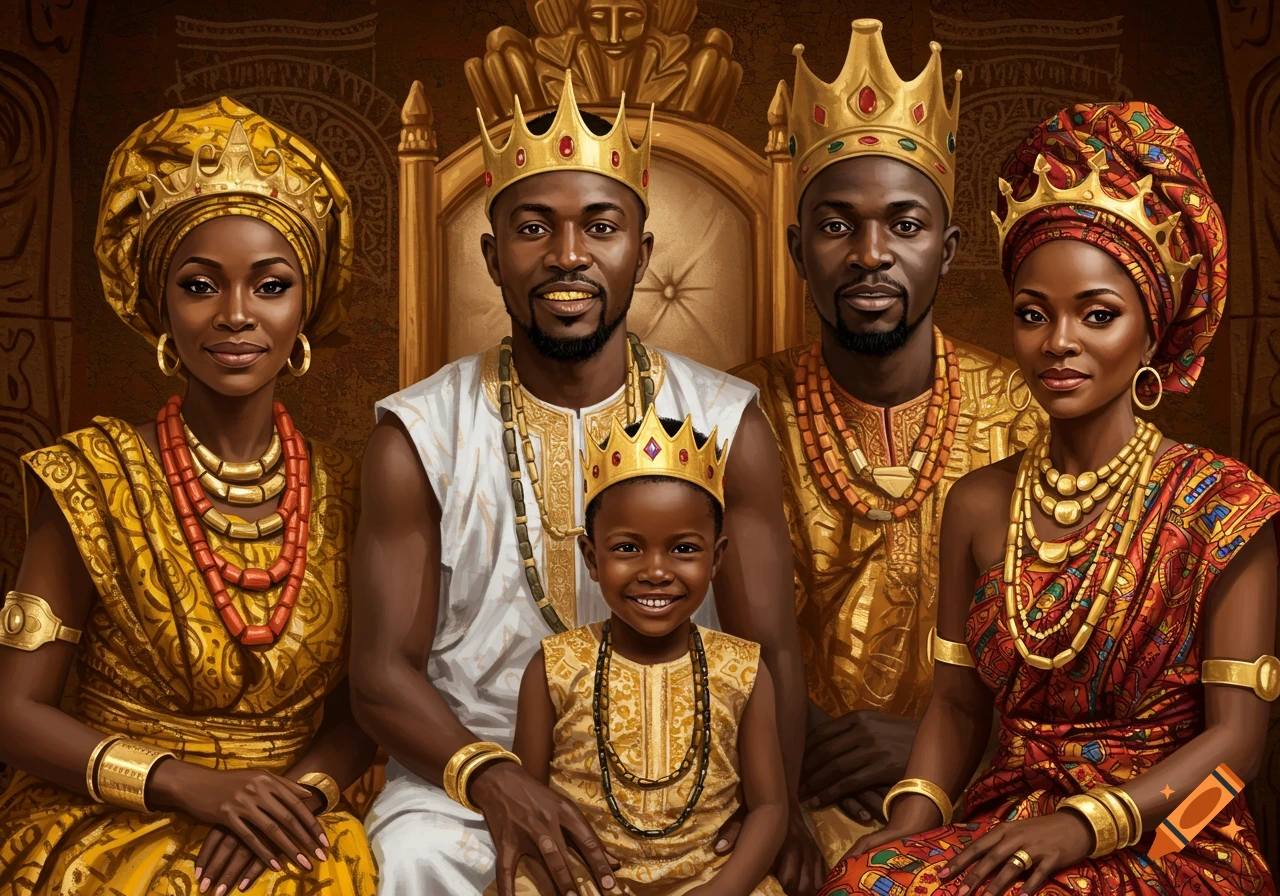
So, picture this: I’m at a dinner party, and someone brings up the British royal family. You know, the usual chat about who wore what and which cousin got the awkward hat. Then, my friend’s uncle, a very serious man, leans in and says, “You know, crown family values are just old-fashioned politeness—like not spilling tea on the queen.”
Everyone laughed, but it got me thinking. What are the “family values” of a crown? It’s not like they come with a manual—unless you count centuries of tradition. And it turns out, those values shift wildly depending on which royal family you’re talking about.
Let’s start in the West: The British and the Danes
In the UK, duty is the golden rule. The Queen once said, “I have to be seen to be believed,” which is basically code for “never skip a ribbon-cutting, even if you’re tired.” Royals there are expected to be stoic, charitable, and—above all—neutral. No political opinions, no messy divorces (well, some messy divorces, but shh).
Must Read
But hop over to Denmark, and the vibe shifts. Danish royals are warm, approachable, and almost too normal. Queen Margrethe II was known for biking around Copenhagen. Humility is the key value there—like, “Sure, I’m royal, but I’ll still pick up my own milk.” It’s a charming contrast, isn’t it?
Then there’s Asia: The Japanese Imperial Family
Japan takes the concept of restraint to a whole new level. The Emperor and his family are practically invisible—by design. Their core value is harmony (wa), which means no public displays of emotion, no Instagram posts, and definitely no wearing sneakers in public.
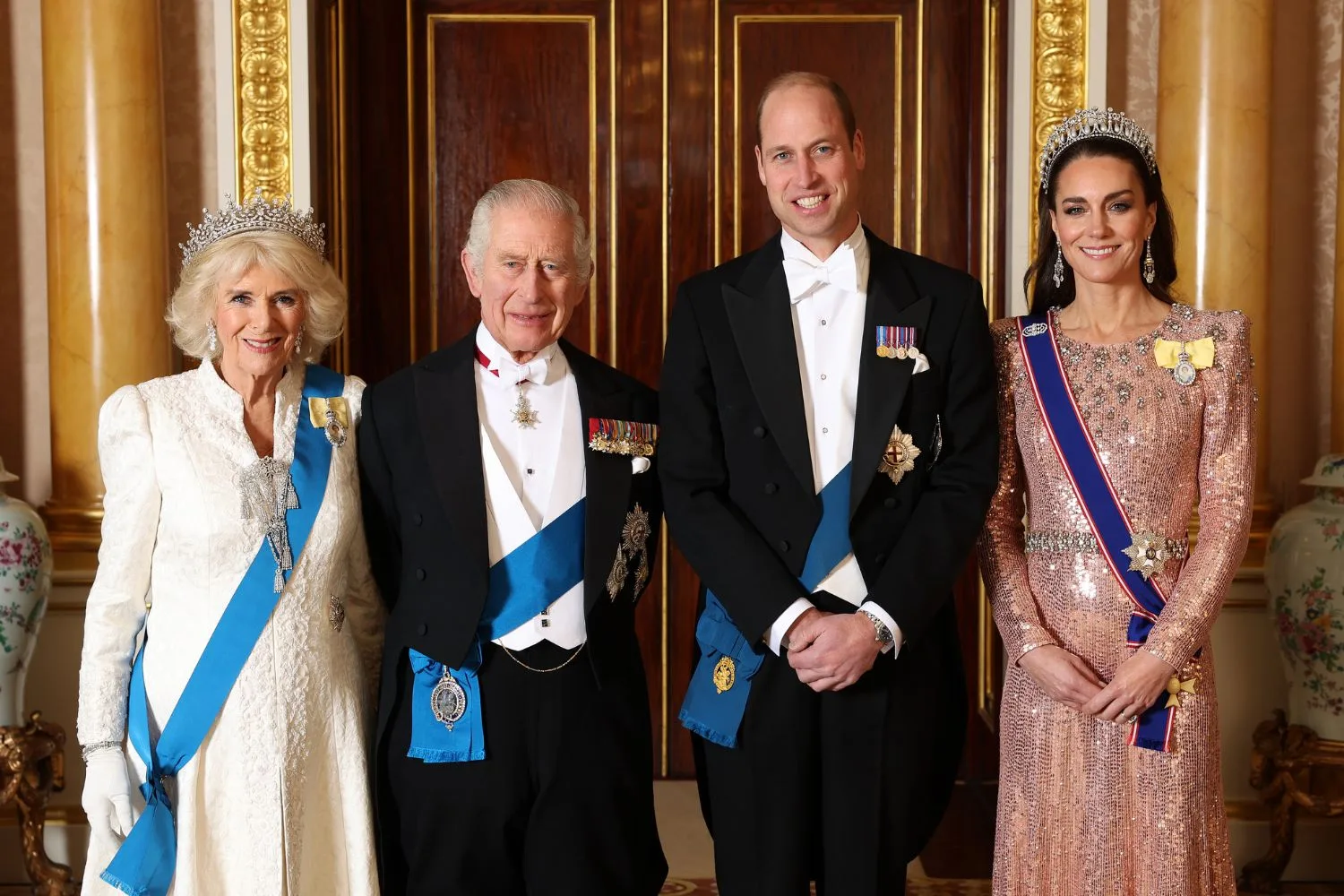 The British Royal Family's net worth is set to get a boost in 2025
I once read that the Empress even has to walk three steps behind the Emperor in formal settings. That’s not sexism—it’s protocol, baby. And protocol is law. The family exists to symbolize national unity, not to be relatable. It’s like watching a beautiful, silent movie where everyone bows perfectly.
Honor in the Middle East: The Saudi and Jordanian Royals
Now, this is where things get spicy—and ironic. Crown family values in Saudi Arabia revolve around piety, generosity, and patriarchal authority. The king is seen as a father figure, and loyalty to the family is absolute. But here’s the kicker: modernity is creeping in.
In Jordan, Queen Rania is famous for her activism and modern Instagram presence, while still upholding tradition. The family balances honor (which means protecting the tribe) with progress (like letting women drive). It’s a tightrope walk, and they’re doing it in silk robes.
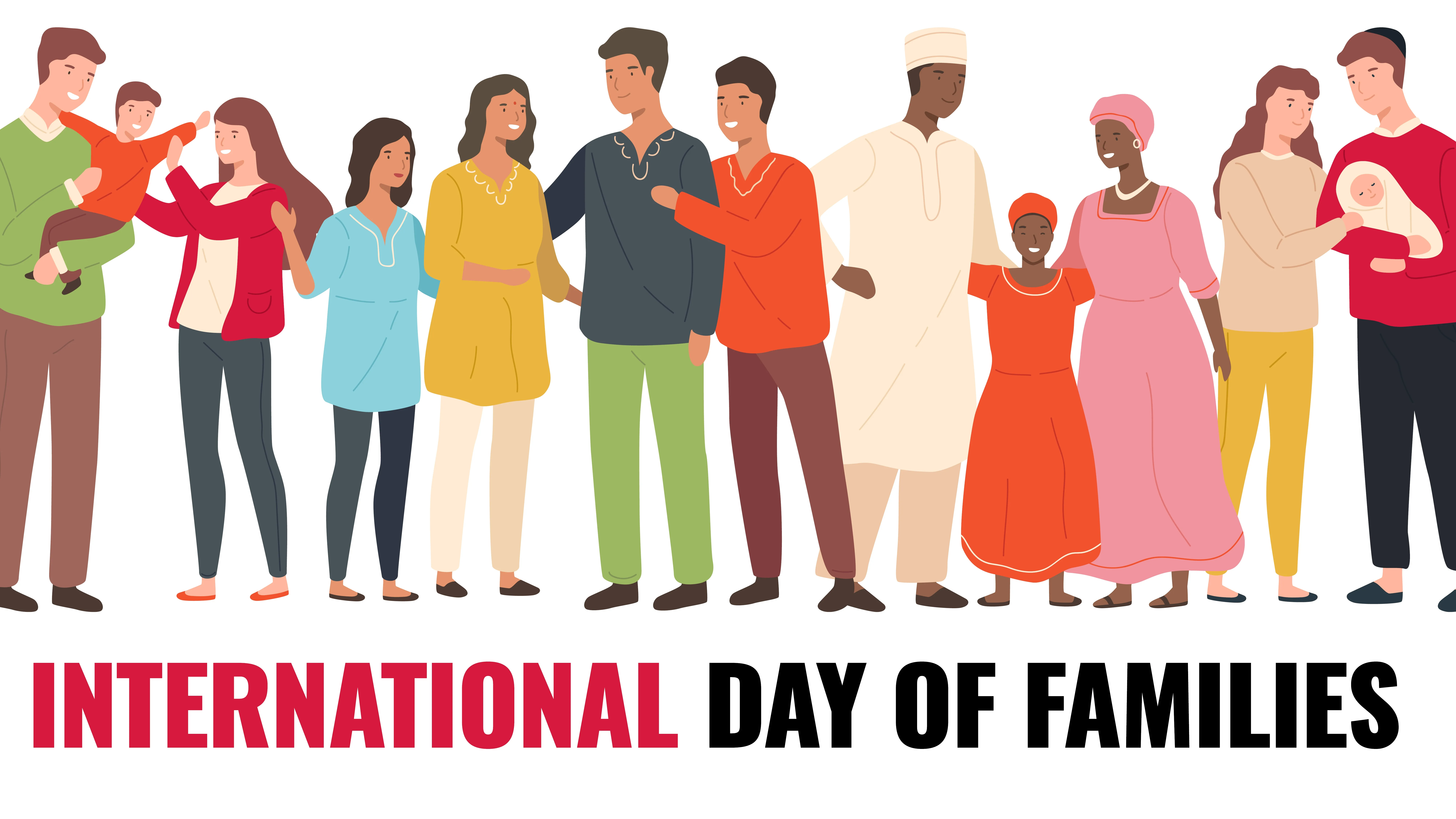 Different Traditions Around The World
Africa’s Contrast: The Zulu and Swazi Crowns
Let’s not skip the continent with some of the oldest royal traditions. In Zulu culture, the king is the custodian of the land—not just a figurehead. Family values include respect for elders and community over self. The king’s wives often have specific duties, like managing royal cattle or ceremonies. It’s less about “privacy” and more about collective survival.
In Eswatini (formerly Swaziland), the king still holds absolute authority, but he’s also expected to be approachable at tribal gatherings. Imagine a king who might sit with you under a baobab tree and discuss crop yields. That’s a crown value you don’t see in Buckingham Palace.
The Irony That Ties It All Together
Here’s the funny part: every single royal family, from Tokyo to Oslo, claims their values are timeless. But they all adapt like chameleons. The British monarchy now uses Twitter. The Japanese crown quietly allows princesses to marry commoners. And in Saudi Arabia, the crown prince has been known to attend concerts. Hypocrisy? Maybe. Survival? Definitely.
 Queen Of England Crown Worth
What’s the one common thread? Contradiction. Every crown family says they value humility while wearing diamonds. They preach service while living in palaces. But isn’t that just like any family? We all have our little hypocrisies—yours just don’t come with a tiara.
So, what can we learn from all this?
Honestly? Not much that’s practical. You can’t copy a crown’s values because they’re built on power, money, and centuries of cringe. But you can spot the patterns: Authority, service, and adaptability show up everywhere. And the next time you’re at a dinner party, just drop this: “In Sweden, the king actually took the bus once. True story.”
Then sit back and watch the debate unfold. Because crown family values are, at the end of the day, just a fancy word for how to keep the family throne—with style, silence, or selfies, depending on your zip code. You’re welcome for the insider scoop.