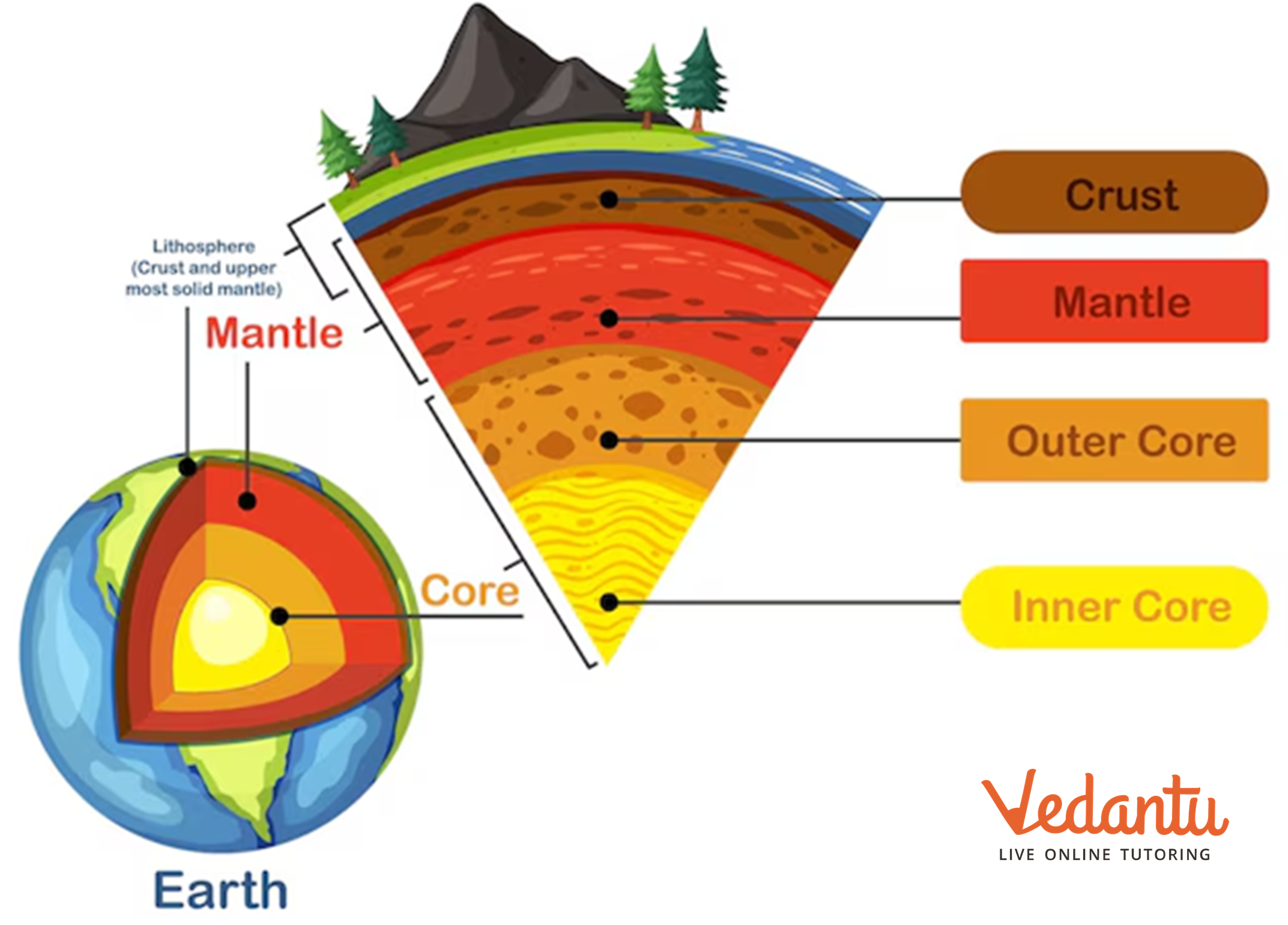
Right under your feet. It’s the Earth’s crust, and it’s basically the planet’s deep-dish pizza crust—except way weirder. We live on a thin, rocky shell that’s always moving, cracking, and bubbling with surprises. Let’s dig in.
Mountains That Used to Be Underwater
Ever climb a mountain? Guess what—you might have been standing on an ancient ocean floor. Limestone, the stuff that makes up huge peaks like the Himalayas, is literally squished seashells and coral from millions of years ago. That’s right: dead sea creatures got squashed into rock taller than clouds.
And the highest point on Earth, Mount Everest? It’s still growing by about a quarter-inch every year. Talk about a growth spurt.
Must Read
The Crust Is a Picky Eater (of Stuff)
The crust isn’t just one thing. It’s a jigsaw puzzle of continental and oceanic plates. Continental crust is thick and buoyant—like a giant styrofoam raft. Oceanic crust is thin, dense, and constantly being recycled—like a paper towel you use and toss.
Here’s the wild part: oceanic crust is younger than your grandparents. The oldest bits are only about 200 million years old. Continental crust? We’ve got chunks that are 4 billion years old. That’s older than life itself.
What’s Hiding in the Cracks?
Vents in the ocean floor spew out black smoke—literally. These are hydrothermal vents, and they’re like underwater volcanoes that belch toxic chemicals. But guess what lives there? Giant tube worms the size of your arm, plus ghostly white crabs. They don’t need sunlight—they eat sulfur.
That’s like finding a vegan at a steakhouse who only eats rocks. Weird, right?
Gemstones: The Crust’s Bling
Diamonds aren’t just pretty—they’re dirt that got crushed under extreme pressure. Most diamonds form 100 miles deep in the crust, then hitch a ride to the surface in volcanic eruptions. So every diamond ring is basically a piece of the planet’s deep-fried stress.
And rubies? They’re just aluminum oxide with a splash of chromium. It’s like saying a painting is just chemicals—but way sparklier. You can find rubies in places like Myanmar, and yes, they’re red because the crust has a favorite color.
Fossils: The Planet’s Photo Album
Look at a cliff face. Those lines? They’re layers of time. Fossils are the Earth’s way of leaving a voicemail from 500 million years ago. You’ve got trilobites (think prehistoric roly-polies), giant dragonflies with 2-foot wingspans, and even dinosaur eggs.
One of the quirkiest finds? A fossilized penguin that was 6 feet tall. Yes, there used to be a penguin the size of a person. It probably wasn’t cute—it was terrifying.
The Crust Is Leaking
Not in a scary way—but in a carbonated way. Deep underground, the crust holds vast reservoirs of carbon dioxide, methane, and even helium. Helium balloons? That gas is trapped in the crust for billions of years. Every party balloon is a tiny, sad escapee from the Earth’s basement.
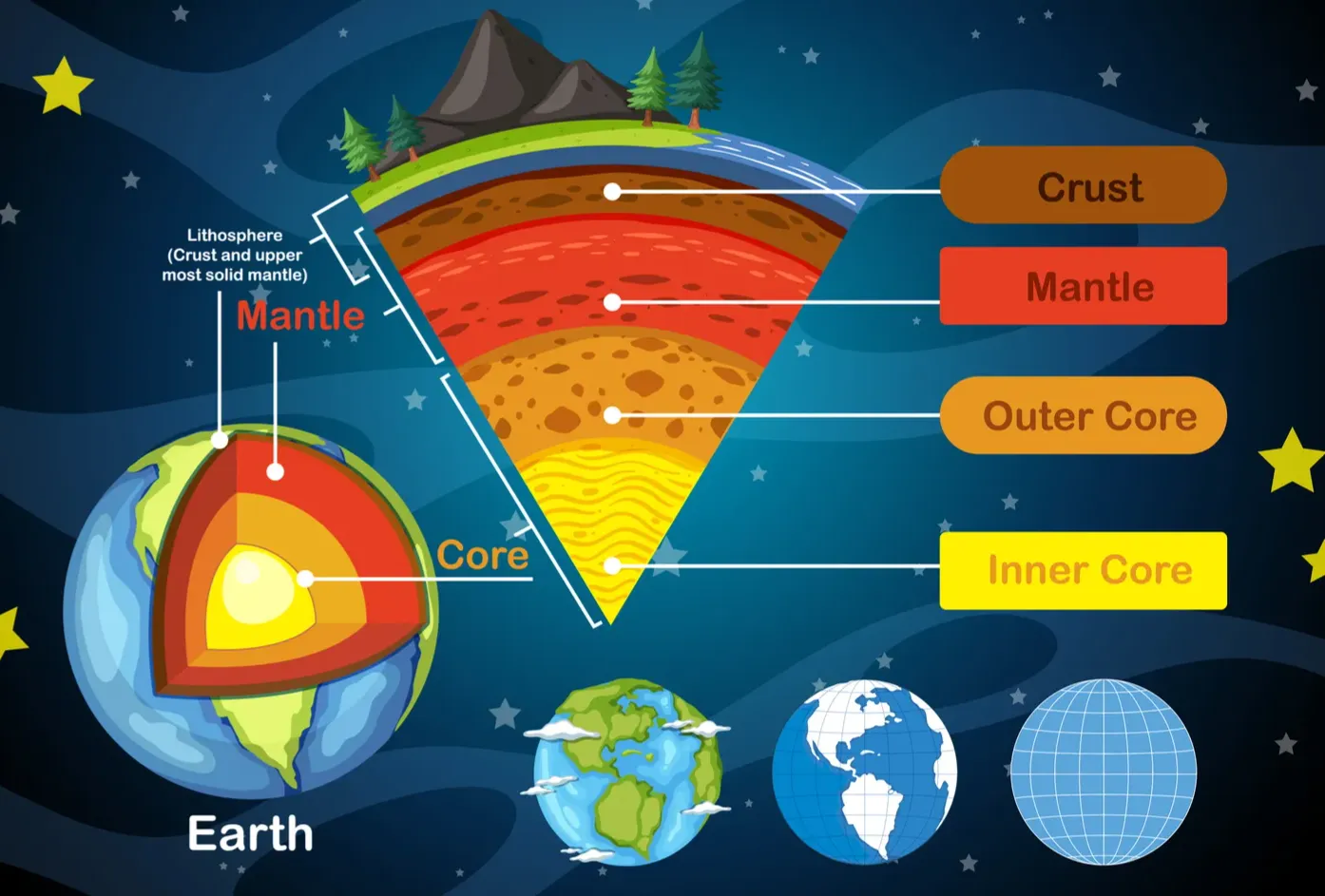 Earth's Crust Has Many Rock Layers | Grade 4-5 Science Passage
Oh, and there’s flammable ice called methane hydrates. It’s ice that burns. You can literally set a snowball on fire. The crust is full of magic tricks.
Diamonds in the Sky… and Under Your Feet
You know what else is on the crust? Extraterrestrial visitors. Meteorites fall all the time, and the crust keeps them. Some are chunks of Mars, others are bits of asteroids. One famous one from Antarctica contained organic compounds—the building blocks of life.
So technically, there’s a little bit of outer space sitting in a museum that once rained down on the crust. It’s like the Earth collects souvenirs from the universe.
We’re Standing on a Lava Lamp
Under the crust is the mantle, a layer of hot, gooey rock that moves like slow-motion caramel. The crust floats on top like a cracker on a sea of soup. That’s why continents drift—they’re surfing on molten rock.
Iceland is actually a giant crack where two plates are splitting apart. You can walk between them. Bring a jacket; it’s chilly on a literal rift.
Quirky Crust Gadgets
Have you heard of fulgurites? When lightning hits sand, it fuses the grains into glass tubes. They look like twisted, weird twigs. The crust keeps them as a reminder that even lightning leaves a receipt.
And then there’s peacock ore (bornite). It looks like an oil slick—all rainbow colors—because it’s a copper ore that tarnishes. Mother Nature loves a good color gradient.
Why This Matters for Your Monday
You’re drinking water that’s been filtered through 10,000 feet of rock. The crust is the planet’s Brita filter. And the soil in your garden? Made from pulverized crust and dead things. You’re literally growing tomatoes on ancient fish bones.
So next time you stub your toe on a rock, remember: you just kicked something that used to be a volcano, a dinosaur’s footprint, or a billion-year-old storm. The crust isn’t just ground—it’s a storybook with no end.
Go poke a pebble. It might have secrets.