
So, you’re watching football, minding your own business, and the commentator says something like, “This is his 50th cap for the national team.” And you’re thinking, “Did he just get a free hat? Is there a secret wardrobe room back there?” Relax. We’ve all been there. Let’s break down what a “cap” actually means, and I promise it’s way less confusing than figuring out the offside rule.
It’s Not About Headwear (Sorry, Fashion Fans)
In the simplest terms, a cap is just a fancy way of saying an appearance. Every time a player pulls on the jersey for their national team in an official match, they get awarded one cap. Think of it like a loyalty stamp card at your favorite coffee shop, but instead of a free latte, you get a number next to your name in the history books.
The word itself comes from the old-school tradition in the United Kingdom. Back in the 1800s, players from each side were actually given a physical cloth cap to wear during the game to tell them apart from the other team. Imagine turning up to a Sunday league match and having to wear a beanie to show you’re on the red team. It was that simple.
Must Read
Nowadays, the physical hat is gone (sweat and wool don’t mix well), but the term stuck. So when you hear “100 caps,” imagine a player has a giant closet full of 100 commemorative baseball caps, each one representing a game they played for their country. It’s a pretty cool mental image, right?
The “Capped” vs. “Uncapped” Drama
Here’s where the everyday life comparison gets good. An “uncapped” player is basically a rookie. They’re like the new intern who hasn’t even made it to the company potluck yet. They have the talent, the drive, but they haven’t officially done the thing.
Then there’s the “capped” veteran. This is your buddy who has been to the company Christmas party ten years in a row. He knows where the good snacks are, he knows the boss’s jokes, and he’s earned his spot. When you hear “he has 150 caps,” you’re looking at football royalty—the guy who has seen it all, from rainy Tuesday games in Kazakhstan to World Cup finals.
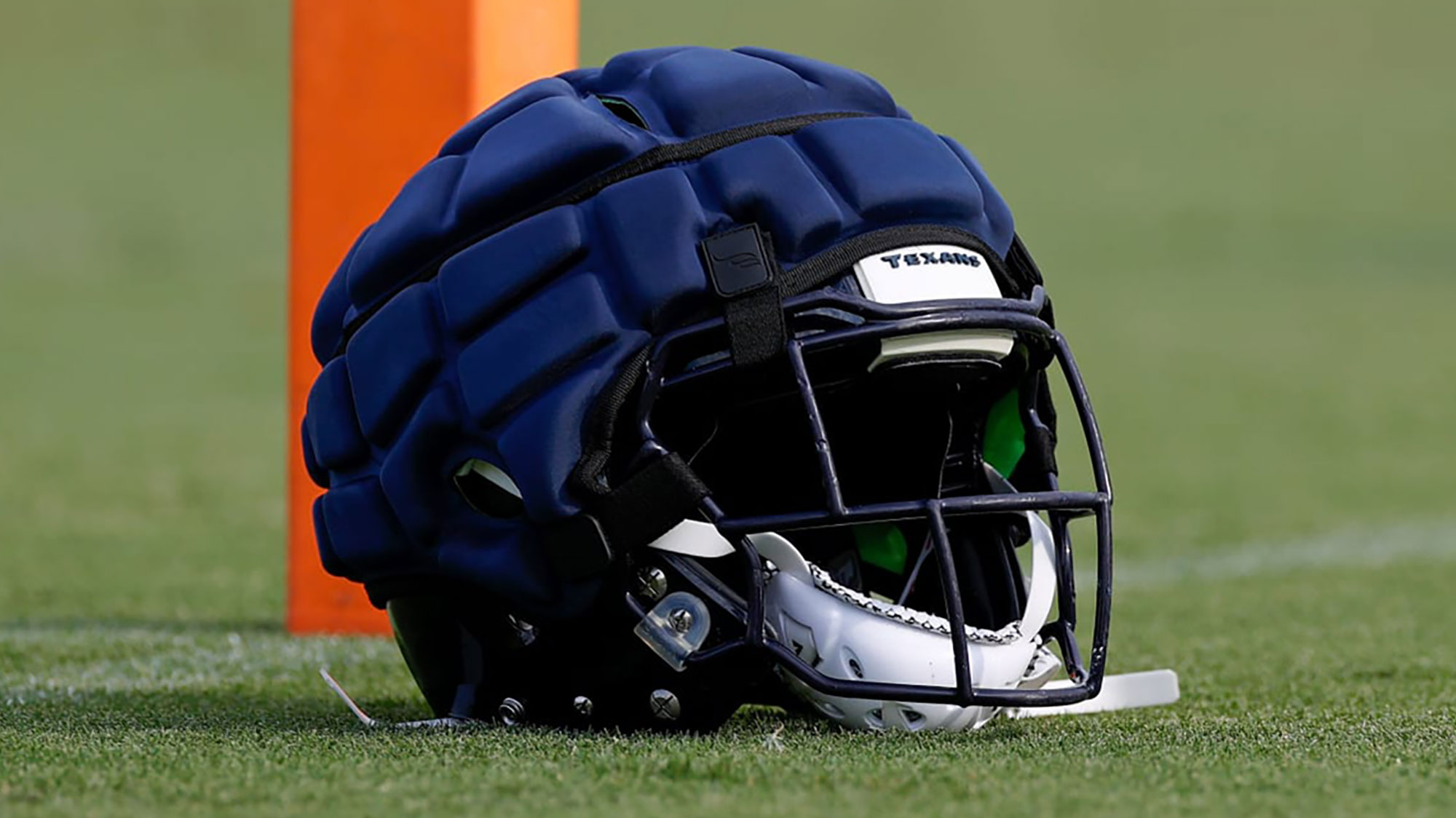 NFL Will Allow Players To Wear Guardian Caps In Games
It’s actually a beautiful system because it’s exclusive. You can’t buy a cap. You can’t inherit one. You earn it by being selected. That’s why players like Lionel Messi or Cristiano Ronaldo with over 200 caps feel less like athletes and more like mythical creatures who have a different calendar than the rest of us.
Why Do We Care So Much About the Number?
Because it’s the ultimate measure of longevity. In a sport where careers can end in a single tackle, a high cap count means a player was consistently good enough, fit enough, and lucky enough to be picked for a decade or more. It’s like surviving ten Black Friday sales at a busy store—only your body is doing the heavy lifting.
Some people obsess over goals, others over assists. But the cap number is pure respect. It tells you that player was reliable. They showed up. They didn’t get injured picking up a bag of groceries (which, let’s be honest, is how most of us would pull a hamstring).
Think about your own life. You have “caps” too. For me, it’s the number of times I’ve successfully assembled IKEA furniture without having a meltdown. For you, it might be the number of times you’ve made it through a Monday morning meeting without falling asleep. See? It’s universal.
 What is a Cap in Soccer? A Full Guide
The Unofficial “Cap” Rules in Your Life
You don’t get a cap for a friendly kickabout in the park with your cousins. That’s just a jersey day. No, a true “cap” moment is when the stakes are real. For example, your first cap might be the first time you were asked to drive your friends to the airport at 4 AM. You did it. You survived. You earned that cap.
Then there’s your 100th cap. That’s when you’ve made it to the point where nobody questions your authority. In football, that’s a centurion. In life, it’s when your family trusts you to carve the turkey at Thanksgiving without supervision. You have earned the right to hold the knife.
So next time you hear “he won his 50th cap,” don’t picture a closet full of headwear. Picture a player who has been through the grinder, the glory, and the grit. Picture a person who, unlike the rest of us, actually managed to show up for work on time for 50 very important days. And be a little jealous.
Because honestly? Getting a cap for doing your job well sounds a lot better than a performance review. Now if you’ll excuse me, I’m off to award myself a cap for finishing this article without a coffee break. That’s at least one cap for the weekend.