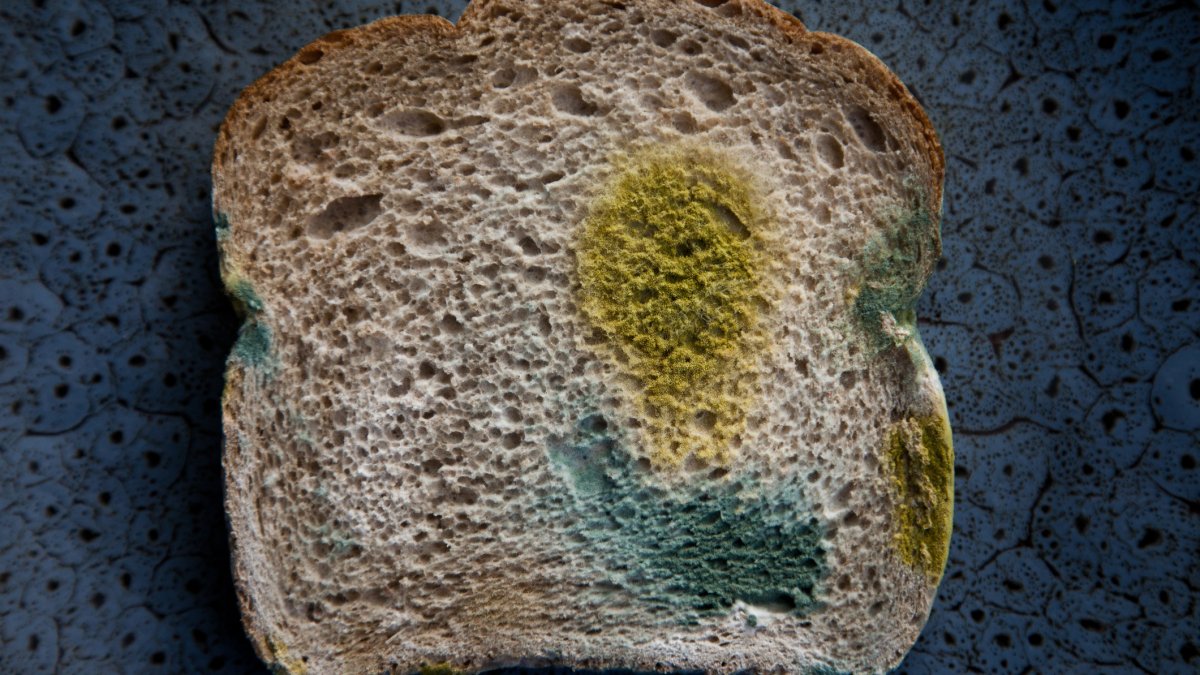
So, you’re staring at that forgotten piece of bread, and it’s grown a fuzzy green beret. Maybe you’re tempted to just pluck it off and carry on. We’ve all been there, my friend.
First things first: eating mold isn’t a death sentence, but it’s not a great idea either. Think of it as playing culinary Russian roulette, but with less gunpowder and more spores. Your body is a tough cookie, but even cookies have limits.
The Good News (If You Can Call It That)
If you accidentally scarf down a bit of moldy cheese or a fuzzy strawberry, odds are you’ll be totally fine. Your stomach acid is like a tiny, angry volcano that loves to incinerate unwelcome guests. Most molds just pass through without throwing a party.
Must Read
You might not even notice anything, except maybe a weird aftertaste that makes you question your life choices. Some people report a little tummy grumble or some gas, but it’s usually nothing a good burp can’t fix. Consider it a free, spicy probiotic experiment.
The real kicker? Your immune system is a bouncer at a nightclub, and mold is usually just a lost tourist. It gets kicked out before it can cause any trouble. So, no panic attacks needed over one rogue bite.
The Not-So-Good News (The Fine Print)
But here’s where it gets tricky: some molds produce mycotoxins, which are basically nature’s little terrorists. These toxins are heat-stable, meaning cooking the mold won’t save you—it’s like trying to un-burn toast.
The famous villain here is aflatoxin, found on grains and peanuts, which can mess with your liver over time. Eating a tiny bit probably won’t hurt you, but a steady diet of moldy pantry items is a bad plan. Don’t let your 2023 peanut butter become a biology experiment.
And then there are the allergic reactions. For some folks, breathing in mold spores is a bigger problem than eating them. If you start sneezing, wheezing, or feeling like you’re starring in a sad allergy commercial, you might be that unlucky 1%.
When to Play It Safe (And When to Live a Little)
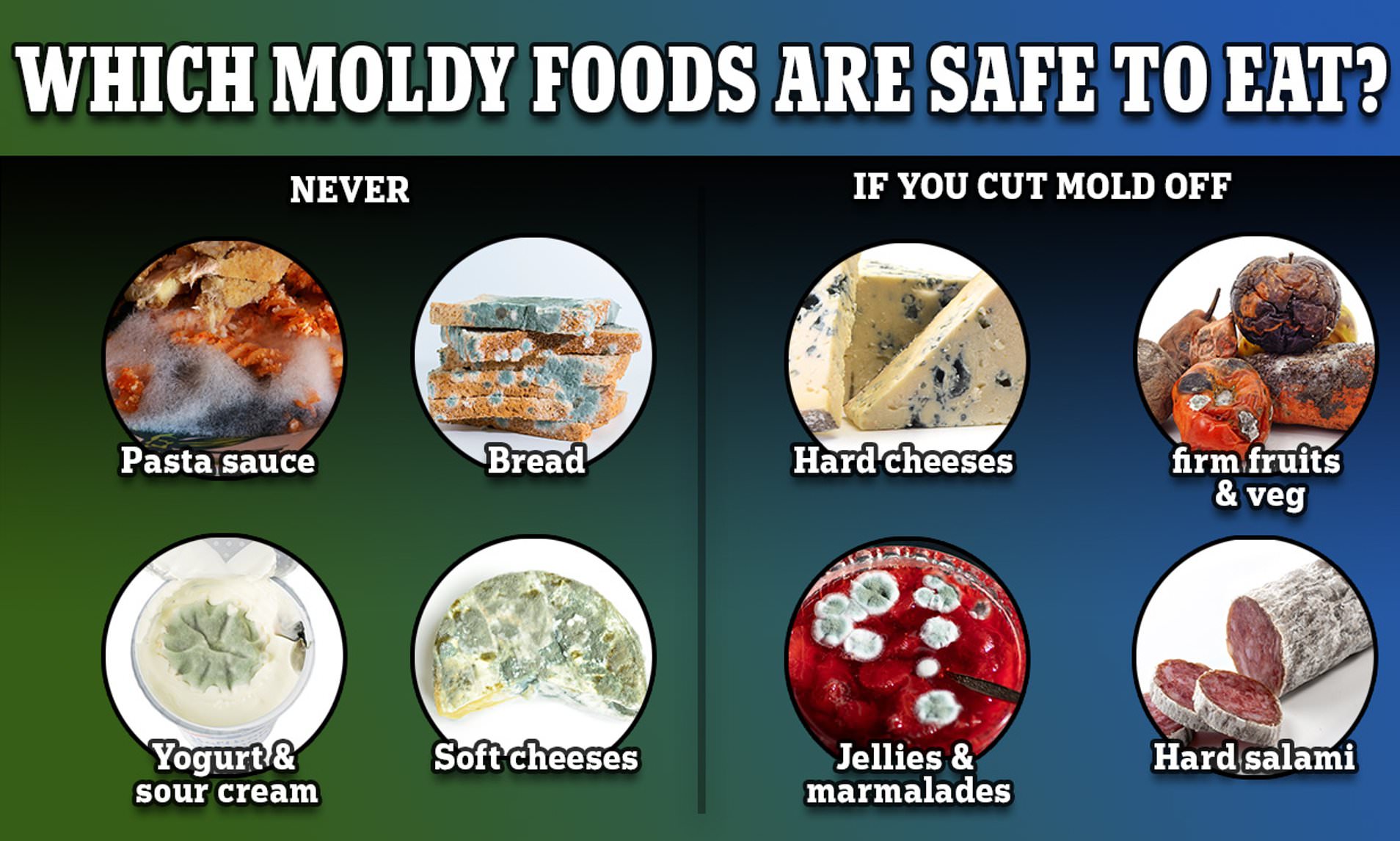
Hard cheeses like cheddar or parmesan can be saved! Just cut off at least one inch around the moldy spot, and never let the knife touch the mold. That’s the golden rule of mold diplomacy.
But soft foods like yogurt, bread, jelly, or deli meat? Throw them out immediately. Mold sends thin, invisible roots through soft, moist stuff, so what you see is just the tip of the disgusting iceberg. You’re basically eating a tiny, moldy city you can’t see.
 Moldy Chocolate: The Surprising Science Behind Food Contamination
Moldy bread is a particularly tragic case. It looks like a little dusting of green, but the roots run deep—like a fungal ninja army. Your sandwich deserves better than a hidden army of spores.
What Actually Happens in Your Belly?
When you eat the mold, your stomach acid gets to work. It’s like a chemical blender for things that don’t belong. Most molds are killed off before they can colonize your intestines.
But if you have a compromised immune system (from illness, medication, or just bad luck), mold can cause a real infection. We’re talking breathing problems, fever, and a hospital visit—not the kind of adventure you want on a Tuesday.
In rare cases, you might get food poisoning from bacteria that hitched a ride on the mold. It won’t be the mold itself, but its gross sidekicks. Expect some dramatic bathroom scenes and a newfound respect for expiration dates.
The Verdict (And a Joke)
So, if you eat mold, will you explode? No. Will you turn into a mushroom? Sadly, no. (Though the superpower of photosynthesis would be cool, right?) Most likely, you’ll burp, feel a little silly, and move on.
The real takeaway is: Your body is a champ. It can handle a little fuzzy misadventure, but don’t push your luck. Use your nose, your eyes, and your common sense—if it smells like a forest floor, toss it in the bin.
And hey, if you’re reading this because you just made a mistake, take a deep breath. You’re not a bad person. You’re just a curious eater who learned a valuable lesson about food storage. We’ve all been there, my friend.
So go forth, buy fresh bread, and maybe give your fridge a little spring cleaning. Your future self—and your stomach—will thank you. And remember: life is too short for moldy cheese, but just long enough for a good laugh about that time you almost became a science experiment. Cheers to you, brave snacker!