
You’ve probably glanced up at the night sky and noticed the moon looking a bit like a lopsided light bulb. That’s the waning gibbous moon, and it’s one of the most visually striking yet often overlooked lunar phases. It sits right between the full moon and the last quarter, slowly losing its light as it prepares for a new cycle. Think of it as the moon’s gentle, mindful exhale after the intense brightness of the full moon.
What Exactly Is a Waning Gibbous Moon?
In simple terms, “waning” means decreasing, and “gibbous” describes a shape that’s more than half full but not quite complete. So, a waning gibbous moon is when the moon is more than 50% illuminated but getting less so each night. It rises later in the evening, often appearing in the late-night or early-morning sky. This phase lasts for about a week, offering a perfect window for contemplation.
Visually, it’s the opposite of the waxing gibbous, which grows toward the full moon. The waning gibbous is like the moon’s unwinding, a slow fade from brilliance to shadow. You’ll notice it in the eastern sky after sunset, or high overhead just before dawn. It’s a quiet, steady presence—perfect for night owls and early risers alike.
Must Read
Why Should You Care? The Lifestyle Angle
This phase isn’t just for astronomers or astrology enthusiasts—it’s a practical guide for your own energy levels. The full moon often brings high emotion, social activity, and sleepless nights. The waning gibbous is the cosmic cue to downshift. It’s nature’s way of telling you to finish projects, tie up loose ends, and start letting go.
Think of it as the “closing chapter” of the lunar month. If the new moon is for setting intentions, the full moon is for celebrating, then the waning gibbous is for editing your life. What needs to be released? A bad habit? A stale routine? A lingering grudge? The moon’s diminishing light makes it easier to see what no longer serves you.
Practical Tips for This Phase
Use the waning gibbous energy to reflect and release rather than start something new. Try a simple “moon journal” where you jot down three things you’re ready to let go of. It’s a surprisingly cathartic ritual, especially if you do it by candlelight.
Also, consider a digital detox during this week. The waning gibbous often brings mental clarity, so use it to declutter your phone or inbox. You’ll find it easier to say no to social obligations and yes to quiet nights with a good book.
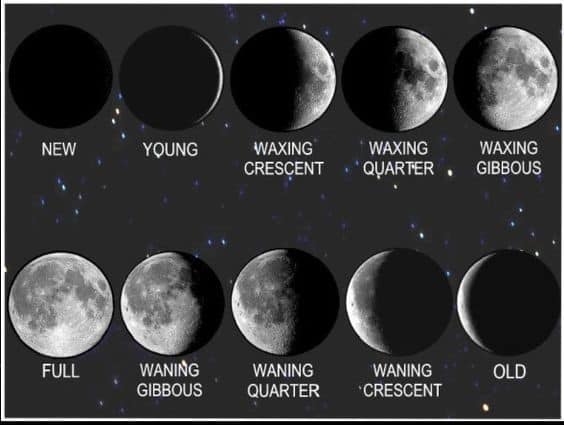 Waxing Gibbous | Facts, Information, History & Definition
Another tip: watch your sleep patterns. The waning gibbous’s decreasing light can mess with your circadian rhythms. Try using blackout curtains or a sleep mask to simulate deeper darkness. Your body will thank you for the extra rest.
Cultural and Mythological Nods
Many cultures associate this phase with wisdom and introspection. In ancient Rome, the moon goddess Diana was linked to the waning gibbous as a time for healing and reflection. Native American tribes called it the “Mourning Moon” in some traditions, a time to honor ancestors.
Even in pop culture, the waning gibbous pops up subtly. Think of how often mystery novels or horror movies use a fading moon to signal the end of a crisis. It’s the moon of aftermath—the quiet breathing space after the storm.
And here’s a fun fact: the word “gibbous” comes from the Latin gibbus, meaning “hump” or “hunchback.” So you’re literally looking at a humpbacked moon! No wonder it feels a bit strange and intriguing.
Fun Little Facts to Impress Your Friends
Did you know the waning gibbous moon is actually visible during the day? If you catch it rising in the late afternoon, it looks like a pale white ghost in the blue sky. That’s because it’s nearly full and reflects tons of sunlight—just not at night.
 Waning Gibbous | Facts, Information, History & Definition
Another gem: the moon’s surface during this phase shows incredible detail through binoculars. The terminator line—the boundary between light and dark—reveals craters and mountains in stunning relief. Grab a pair of basic binoculars and look near the edge; it’s like seeing a 3D map of another world.
Finally, the waning gibbous is the perfect time for lunar photography. Since it’s not as blindingly bright as the full moon, your camera can capture more texture. Use a tripod and a long exposure, and you’ll get shots that look like NASA snaps.
Connecting It Back to Daily Life
In our fast-paced world, we’re constantly told to push harder, start new projects, and stay in the spotlight. The waning gibbous moon offers a counter-narrative: allow yourself to diminish. It’s okay to be less visible, less productive, less “on.” This phase reminds us that growth doesn’t always mean expansion—sometimes it means deepening.
So next time you see that lopsided, fading moon, take a breath. Let it be a quiet reminder that you don’t have to be at your brightest to matter. The waning gibbous is a lesson in graceful closure, a celestial nod that letting go is a form of strength. And honestly, isn’t that what we all need—a little permission to slow down and fade into a good night’s sleep?
As the moon continues its steady cycle, so do you. The waning gibbous is just a pause, a moment to recalibrate before the new moon brings fresh beginnings. Embrace it. After all, even the moon takes a break from full-on brilliance.