
Let’s be honest: the hotdog is a culinary enigma wrapped in a bun. You’ve eaten dozens, probably while standing at a ballpark or regretfully at 3 AM. But have you ever stopped to wonder, what is this thing actually made of? Buckle up, because the answer is weirder and more wonderful than you’d ever guess.
The Great Mystery of the Pink Cylinder
First, let’s tackle the obvious: that smooth, pink, quasi-cylindrical shape. It’s not a sausage in the traditional sense—oh no, it’s something called an emulsion. Think of it as the weird, science-project cousin of mayonnaise, but made with meat.
You take leftover bits of meat—pork, beef, chicken, or a sad combo of all three—and grind them into a paste. Then you add fat, water, salt, and a little magic (okay, emulsifiers) to keep it all from separating when you heat it up.
Must Read
This process is why a hotdog can be perfectly smooth and snap when you bite it. It’s basically meat Jell-O, but salty and smoked.
Wait, There’s a “Slurry” Involved?
If you’re a visual person, imagine a gigantic blender full of pork snouts, chicken skins, beef cheeks, and a dash of corn syrup. Professional hotdog makers call this mixture a “slurry.” Does that sound appetizing? Nope. But stay with me.
This slurry is then pumped into thin, edible casings (often made from collagen or cellulose). Then it’s boiled, smoked, and peeled—if it’s a skinless dog. That’s right, skinless hotdogs are just a casing that gets removed after cooking.
The result is a uniform, bouncy log of processed meat that, somehow, tastes like America. And you’re about to learn why it’s not as scary as the internet says.
The Secret Ingredients You Didn’t Ask For
Let’s play a game called “What’s in that ingredient list?” First up: mechanically separated meat. This is a fancy term for meat that’s scraped off bones with a high-pressure machine. It looks like pink toothpaste. Delicious toothpaste.
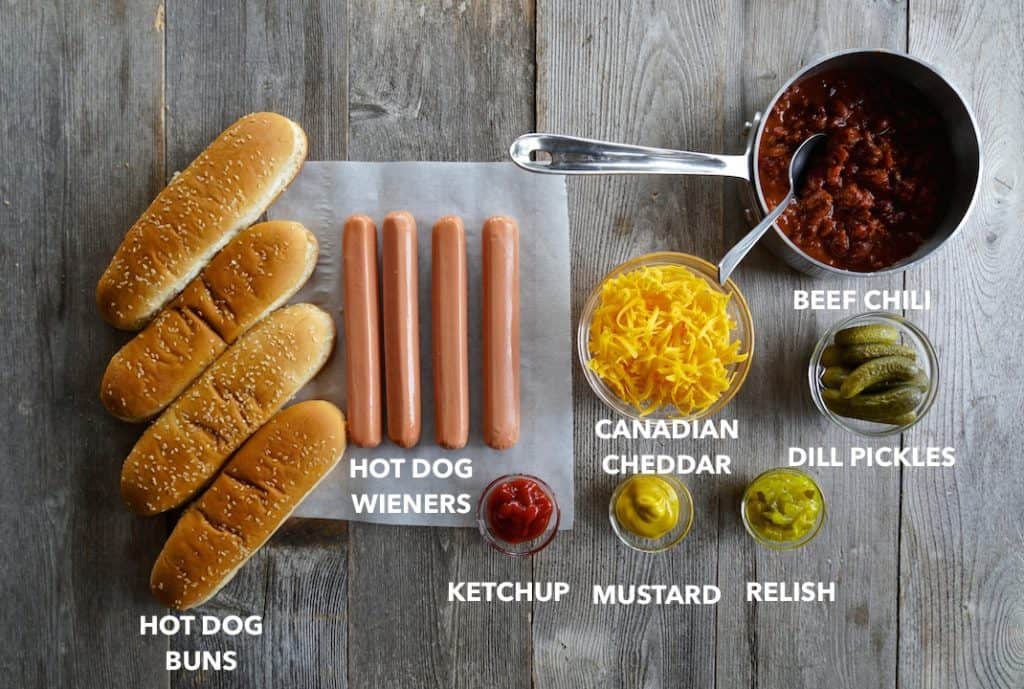 Best Hot Dog Recipes - Weekend at the Cottage
Next: sodium nitrite. This isn’t just a preservative; it’s what gives your hotdog its cheerful pink color. Without it, a hotdog would be an unappetizing grayish-brown. Plus, it prevents botulism, so you can eat ten of them without dying. Win-win.
And don’t forget the dextrose (sugar) and sodium phosphate. The sugar balances the salt, and the phosphate keeps the water inside the dog so it doesn’t turn into a rubber stick. Science is wild.
But Is It Even Meat? (Spoiler: Yes, Mostly)
Eat this, conspiracy theorists: hotdogs are legally required to contain actual meat. The USDA says they must consist of “communicated skeletal muscle.” In other words, it’s the same stuff as a chicken nugget, just more squished.
However, here’s the funny part: a hotdog can contain up to 30% fat and 10% water. That’s why it tastes so good on a grill. It’s basically self-basting meat balloon.
And if you see “byproducts” or “variety meats” on the label? That’s just a fancy way of saying liver, heart, or tongue. Don’t panic— those are the tastiest parts. You’ve been eating fancy pâté at a baseball game this whole time.
 How Are Hot Dogs Made? Discover the Journey from Meat to Bun - Larrea
The Myth About “Lips and Assholes”
You’ve heard the joke: “Hotdogs are made of lips and assholes.” Let’s set the record straight. The USDA bans the use of “lips” in any meat product. And anuses? Nope, not allowed either. That urban legend comes from cheap sausages in the 1800s, not modern manufacturing.
Modern hotdogs use trimmings—the leftover bits from steaks, pork chops, and chicken breasts that are too small to sell whole. It’s the meat industry’s way of saying, “Don’t waste the leftovers, just blend ‘em.”
So unless you’re eating a gas-station roller dog from 2003, you’re probably safe. But if you are eating that? God bless your gut. Seriously.
The Big Finish: Why You Should (Probably) Keep Eating Them
Look, a hotdog will never be a superfood. It’s high in sodium, fat, and nitrates. But it’s also a cultural icon—a $1.50 miracle that unites drunk uncles and gourmet chefs alike.
In fact, the world’s most expensive hotdog (the “Diamond Dog” from Seattle) costs $169 and includes foie gras and truffles. Meanwhile, a regular dog at Costco costs $1.50 and comes with a soda. Guess which one tastes better after a long day?
So next time you bite into one, think of the mechanics: the emulsified pork snouts, the sodium nitrite blush, the perfectly snapped casing. And then, for the love of all that is holy, eat the damn thing with mustard. You’ve earned it.