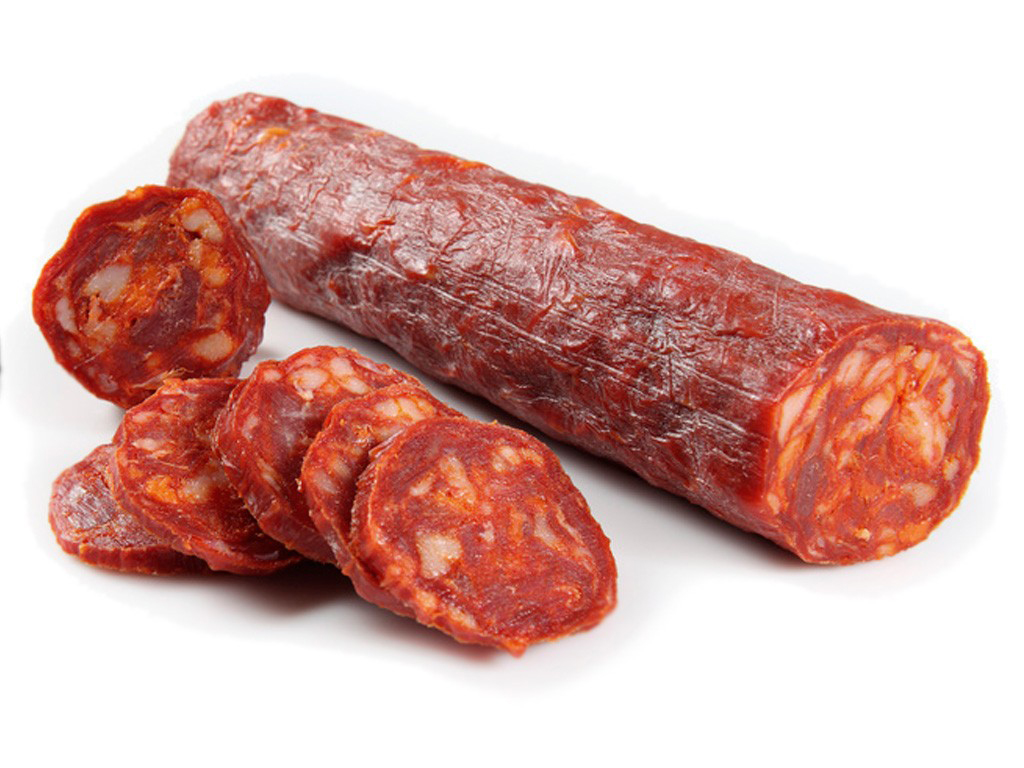
Okay, let’s talk about chorizo. You’ve seen it, you’ve smelled it, and you’ve probably eaten it with reckless, joyful abandon. But what is actually hiding inside that crinkly, paprika-red casing? Grab a snack, because we’re about to crack this spicy code wide open.
The Cast of Characters: Meet the Main Ingredients
First, the star of the show: pork. Or, if you’re feeling fancy, sometimes it’s beef, chicken, or even a mix. But classic chorizo? That’s all about the pig. Good for him, good for us.
Then comes the fat. This isn’t a villain, my friend—it’s the silent hero that keeps the sausage from tasting like a rubber tire. Without a little fat, chorizo would be a sad, dry dust bunny. We don’t want that.
Must Read
Now for the soul of the sausage: smoked paprika, or in Spain, pimentón. This is the single most important ingredient. It’s what gives chorizo that gorgeous deep red color and that earthy, smoky flavor that makes you weak in the knees. Give this paprika a standing ovation, please.
The Spice Rack Goes Wild
Garlic is next, because what good is life without garlic? It’s the drummer of the band—providing a steady, pungent beat that keeps everything in line. And then we have salt, the unsung hero of preservation. It keeps your sausage safe from microbes, so you can store it in your fridge next to that one jar of pickles from 2021.
Don’t forget the oregano and sometimes a dash of cumin. These spices are like the cool background dancers in a music video. They don’t get the spotlight, but without them, the whole production feels flat. And in some versions, especially the Mexican kind, you’ll find chili flakes, vinegar, and even a little cinnamon. Boom—history in a casing.
Spanish vs. Mexican: The Great Sausage Showdown
Here’s where things get tricky. Spanish chorizo is usually cured and ready to eat—just slice it up and feast. It’s firm, dense, and tastes like the love child of a charcuterie board and a campfire. You can nibble it with cheese and olives and feel like a European countess.
Mexican chorizo, on the other hand, is raw and loose. It’s like the wild, unhinged cousin who shows up to the party in a neon shirt. You have to cook it, and when you do, it crumbles into a glorious, greasy, spiced frenzy. It’s perfect for breakfast burritos, tacos, and upsetting your vegetarian roommate.
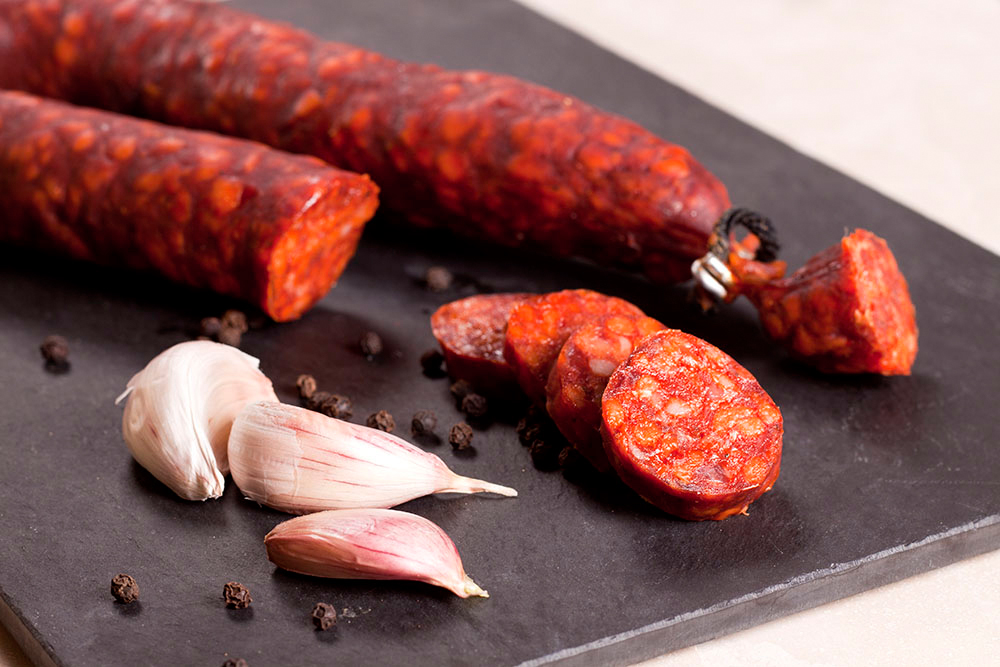 What is Chorizo sausage? - Health Benefits
Both are amazing. Both are beautifully different. But the core ingredients? Meat, fat, paprika, garlic, and salt. That’s the secret handshake of every chorizo on earth.
So, What About the Weird Stuff?
You might be wondering about preservatives or fillers. Look, I won’t lie to you—some mass-market chorizo adds things like sodium nitrite, dextrose, or corn syrup. These are the spare tires of the sausage world. They help with color, shelf life, and preventing botulism (which is actually nice of them, honestly).
But if you buy artisan or high-quality chorizo, you’re getting a cleaner label. It’s literally just meat, fat, spices, and maybe a little vinegar or wine. And that’s it. That’s the whole band. No filler, no drama, just pure, paprika-soaked glory.
And yes, sometimes they use natural casings (made from animal intestines). I know, it sounds alarming. But think of it this way: that casing is a tiny leather jacket for your sausage. It holds everything together and gives it that satisfying snap when you bite it. Respect the casing.
A Quick Word on Nutrition (Sorry)
Is chorizo a health food? No, sweet child of summer. It’s high in fat, sodium, and calories. But is it a joyful little package of flavor that makes your scrambled eggs taste like a fiesta? Yes, absolutely. Moderation is key—just don’t eat an entire log in one sitting. Or do, I’m not your mom.
 Chorizo Sausage Homemade at Roy Lujan blog
The protein content is decent, and you get a surprising amount of iron and B vitamins from the pork and spices. So technically, you’re nutrient-dense while also being deliciously reckless. That’s what we call a win-win.
How to Use This Knowledge (And Not Sound Like a Tool)
Next time you’re at a dinner party and someone says, “I love chorizo,” you can nod wisely and say, “Ah yes, it’s the paprika that gives it that signature depth.” They’ll be impressed. You’ll feel smug. It’s a beautiful thing.
Toss chorizo into pasta sauces, soups, lentils, or roasted potatoes. Or just fry it up with eggs and call it breakfast. The possibilities are as endless as your love for delicious, greasy things. And hey, even if you burn it a little, it still tastes good.
So, to sum up: chorizo is meat, fat, smoked paprika, garlic, and salt—with optional funky additions like chili, oregano, or a little wine. It’s a sausage that refuses to be boring. It’s bold, it’s messy, and it’s unapologetically itself.
A Final, Smoky Hug
Chorizo is more than just a sausage. It’s a flavor bomb with a personality. It doesn’t hide in the background—it marches into your mouth and demands to be noticed. And you know what? I think we could all use a little more of that energy in our lives.
So go ahead. Buy a link. Crumble it into a pan. Let the sizzle and the smell fill your kitchen, and remember: life is short. Eat the chorizo. You deserve the spice. You deserve the joy.