
Have you ever stared at a macaron in a bakery window and thought, “That fancy little cookie is way too pretty to eat?” You’re not alone. These colorful, pillowy bites look like they belong in a tiny fashion show, not in your lunchbox. But here’s the secret: they’re actually made of surprisingly simple ingredients you probably have in your kitchen right now.
At its heart, a macaron is just a meringue cookie. Think of it as the sophisticated cousin of the humble pavlova or the marshmallow you roast over a campfire. The magic comes from whipping egg whites until they’re fluffy, then folding in two basic powders.
The first powder is almond flour. That’s just finely ground almonds—the same nuts you might sprinkle on your morning oatmeal. The second is confectioners’ sugar, which is ordinary sugar turned into a snowy dust. Combine them, and you’ve got the “dry team” that gives macarons their signature smooth top.
Must Read
Now, for the “glue” of the cookie: the egg whites. When you whip them, they turn into a cloud. Then you add a little granulated sugar to stabilize them. This is where patience pays off—you want them so stiff that if you hold the bowl upside down, nothing moves. Yes, people actually test that.
A curious thing happens next: you fold the dry mixture into the fluffy egg whites until it looks like “lava.” Bakeries call this “macaronage.” It’s a weird, satisfying step where the batter flows like a slow, thick ribbon. If it’s too runny, you get flat cookies. Too stiff, and they crack. It’s a Goldilocks situation.
What about the filling?
The cookie itself is just a shell. The soul comes from what’s inside. Most fillings are buttercream (butter + sugar + flavor), ganache (chocolate + cream), or jam. So really, you’re looking at a fancy sandwich.
Here’s a fun example: imagine your grandma’s chocolate pudding. That’s basically ganache. Now imagine putting it between two tiny, colorful pancakes. That’s a macaron. Suddenly, it’s not so mysterious, right?
 Premium AI Image | Process of making macarons dessert
But wait—why do some macarons cost four dollars each while a bag of chips costs a buck? The answer is technique. The ingredients are cheap, but the skill is expensive. One baker once told me, “Macarons are like trying to bake a cloud in a thunderstorm.” They’re that finicky.
Humidity is a nightmare for macarons. If it’s a rainy day, the egg whites soak up moisture, and your shells turn out sticky and weird. That’s why professional bakers check the weather report before baking. It’s a little ridiculous, and also kind of adorable.
Why should you care?
Because you can make them at home—and it’s a hilarious adventure. I tried it once and ended up with what looked like alien freckles. But they still tasted amazing. The point is, knowing what they’re made of makes them less intimidating.
Next time you bite into a macaron, think about that one egg white that got whipped into a frenzy. Think about the almonds that once grew on a tree. It’s humble stuff wearing a party dress. That’s why people adore them: they’re everyday ingredients made extraordinary.
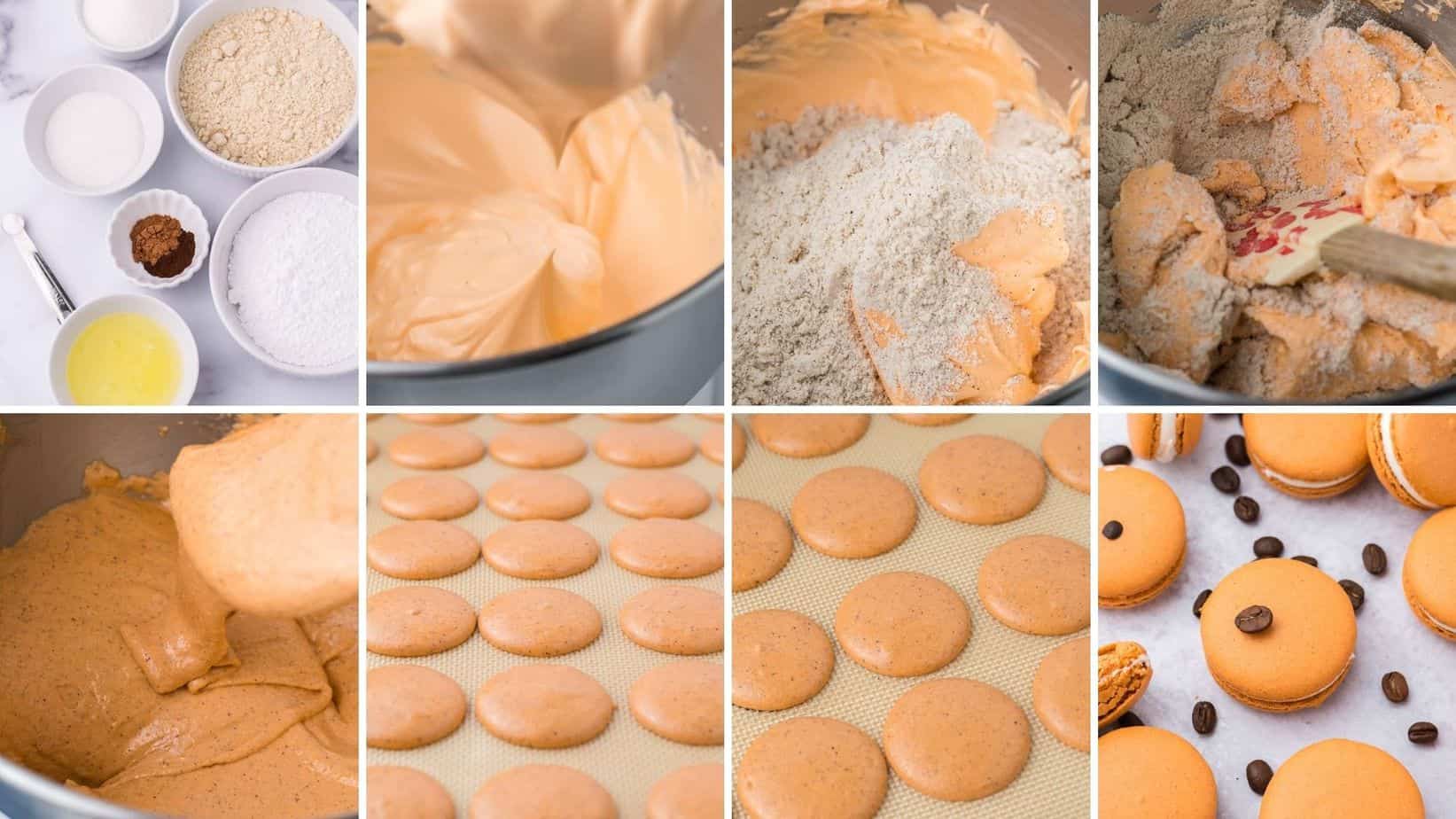 How to Make Macarons - An EASY Step by Step Macaron Guide!
Have you ever noticed that macaron colors match your favorite nail polish? That’s no accident. The shells can be tinted with gel food coloring. So a pink macaron isn’t strawberry-flavored unless the baker says so—it’s just a pink shell with something delicious inside. It’s a little trick, and it works beautifully.
And here’s a warm truth: you don’t need to be a pro to love them. Imperfect macarons are still macarons. My friend Katie bakes them every Christmas, and her kids call them “monster cookies” because they’re lopsided. But they disappear in minutes. That’s the real magic—the joy, not the perfection.
If you’re still wondering what they’re made of, just remember this list: egg whites, sugar, almond flour, and love. The love part is important because each batch is a tiny drama. You beat, fold, pipe, and wait, hoping the little feet (that frilly bottom edge) will appear. When they do, you feel like a wizard.
So next Friday night, skip the bakery line. Grab some eggs, a bag of almonds, and a blender. Grind those nuts into flour (or buy it pre-ground). Whip, fold, and pipe. If they crack? Call them “rustic.” If they puff? Celebrate. You’ve just made something that connects you to pastry chefs in Paris and grandmas in your own neighborhood.
Macarons are proof that simple things can be spectacular. They’re just almonds, sugar, and eggs—but they carry a story. And now you know that story. Go ahead, have one. You’ve earned it.