
Let’s be honest: when you hear the word “polyamide,” your brain might conjure images of weird lab coats or toxic sludge. Relax! It’s actually just a fancy name for a family of materials you already know and love—think nylon, your favorite stretchy leggings, and even that awesome durable backpack. Polyamide is everywhere, and spoiler alert: it’s probably making your life more fun, not poisoning your lunch.
So, What Exactly Is Polyamide?
In the simplest terms, polyamide is a plastic polymer made from repeating units linked by amide bonds. Boring chemistry alert? Not really! It’s the same stuff that gives you strength in a climbing rope and stretch in a swimsuit.
It’s produced in two main ways: from petrochemicals (the usual way for nylon) or from renewable sources like castor oil, making some polyamides a bit greener. Either way, it’s incredibly versatile—it can be spun into thin fibers or molded into tough, heat-resistant parts for your car engine.
Must Read
The Big Question: Is It Toxic?
Here’s the short answer: No, polyamide in its finished form is not toxic to humans. You wear it, sit on it, and even use kitchen utensils made from it—all without turning into a radioactive superhero.
The scare comes from manufacturing, where chemicals like caprolactam are used. But once the material is fully polymerized and washed, those chemicals are locked away, not leaching into your skin or your soup.
Regulatory bodies like the FDA approve certain polyamides for food contact, so that spatula you love? Totally fine. That yoga mat? Go ahead and sweat on it.
But What About the “New Smell”?
Ever unboxed a new pair of sports socks and gotten a weird, plasticky whiff? That’s not toxicity—it’s just residual manufacturing compounds evaporating. Air them out for a day, and the smell vanishes.
In fact, polyamide is often chosen because it’s inert, meaning it doesn’t react with your body. That’s why it’s used in medical implants like sutures and surgical meshes—if it were toxic, doctors wouldn’t stitch it inside you!
 Polyimide vs Polyamide: Understanding the Key Differences - Black
Why This Makes Life More Fun
Let me paint a picture: You’re hiking a mountain in stretchy nylon shorts, your bungee cord is holding your gear, and your phone case survives a drop onto a rock. None of that happens without polyamide.
It dries fast after a swim, resists tearing on a camping trip, and keeps your winter jacket light but warm. It’s the unsung hero of adventure—and it’s not trying to hurt you.
Oh, and here’s a fun party fact: the first nylon stockings were sold in 1940 and caused a riot. Women lined up for blocks! All thanks to a non-toxic polymer that replaced silk.
The Environmental Twist (Yes, We’re Being Real)
Okay, let’s not pretend it’s perfect. Traditional polyamide is non-biodegradable and made from fossil fuels, which isn’t great for the planet. But that’s a sustainability issue, not a toxicity one.
Smart companies are now creating bio-based polyamides from plants, and recycling programs are growing. You can also avoid microplastic shedding by washing synthetic clothes in a bag—easy fix.
Bottom line: your health is safe; the planet needs a little more love. You can totally own both truths without panic.
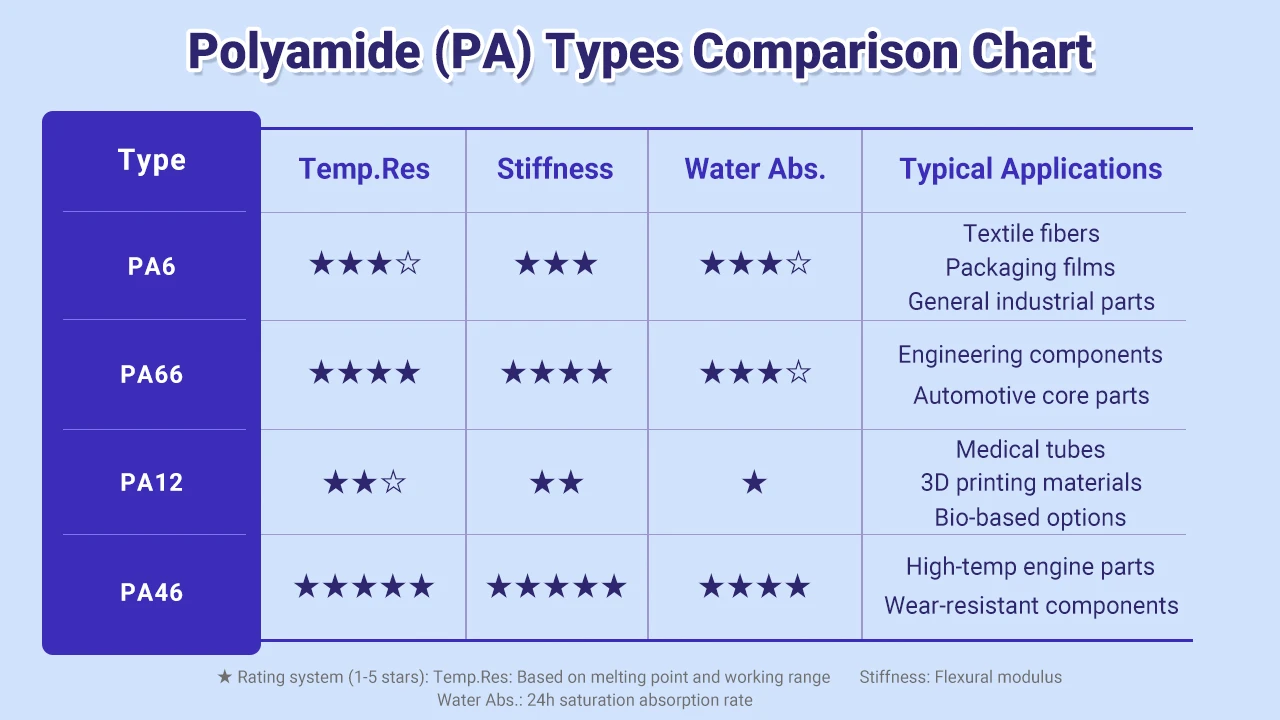 PA Plastic | Essentiële materiaalkennis voor ontwerpers
A Quick Reality Check
If you search “polyamide toxic” online, you’ll find horror stories about factory workers or lab rats exposed to high doses of raw chemicals. That’s like being scared of a steak because butcher shops have knives.
For you and me, wearing a polyamide dress or using a polyamide toothbrush? Zero risk. The finished product is as harmless as glass—only way more flexible!
So next time you slip into your favorite workout leggings or tighten a polyamide rope, give a little nod to the chemistry. It’s not poison; it’s progress.
Let’s Get Inspired
Here’s the uplifting twist: polyamide proves that humans can create amazing, safe materials from simple building blocks. You don’t have to be a chemist to benefit from it—you just have to be curious.
When you understand what things are made of, fear dissolves into wonder. You start noticing the cleverness of a tiny zipper or the genius of a waterproof tent.
So go ahead: learn more about the stuff in your closet, your car, your kitchen. Knowledge is the real superpower—and it’s never toxic. Now go have some fun, and maybe even read the tag on your sweater. You’ll smile!