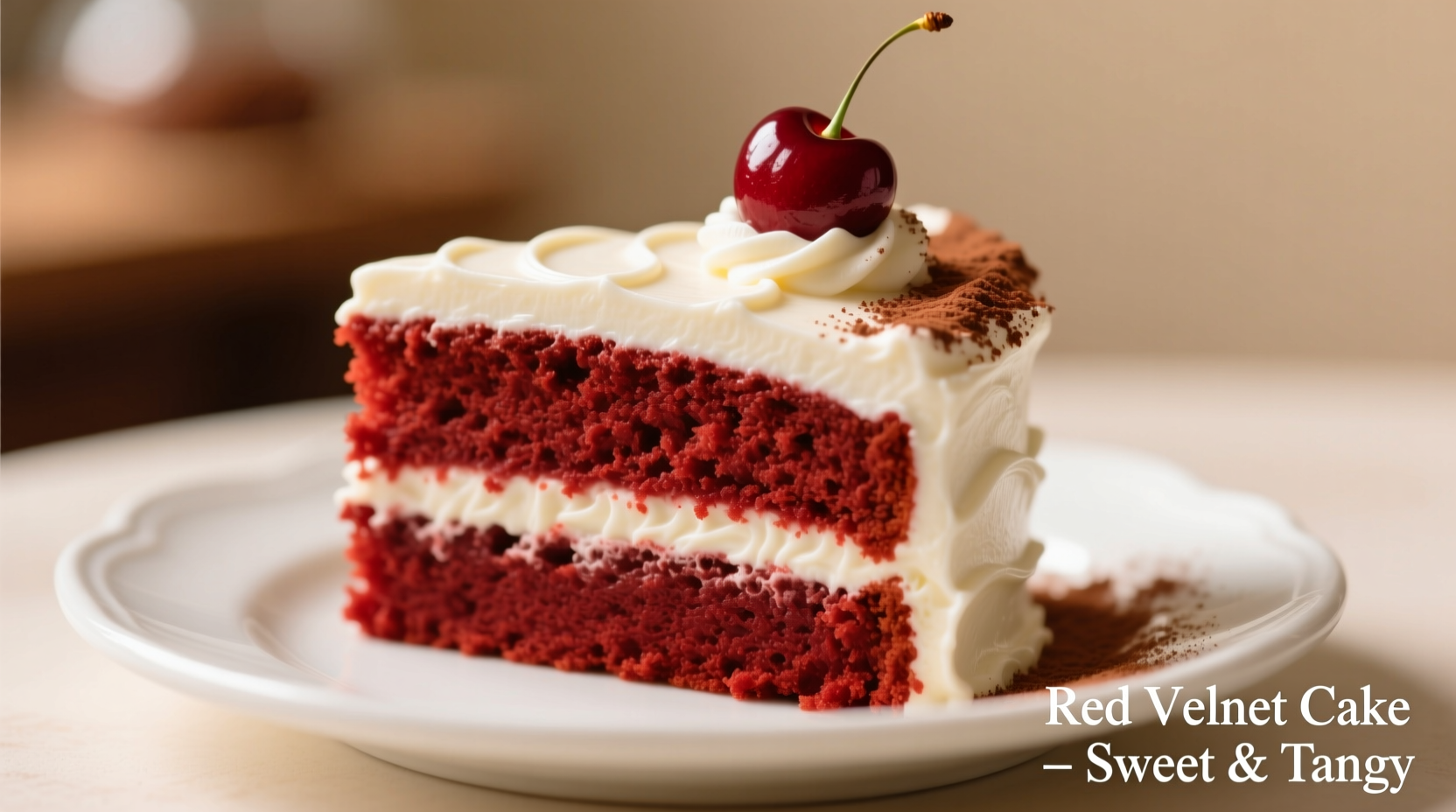
Let’s be real: red velvet cake is the chameleon of desserts. Is it chocolate? Is it vanilla? Is it secretly a strawberry, wearing a fancy red coat? The answer is a delicious, confusing mystery.
You order a slice, and your brain says, “Red means berry flavor!” Then you taste it. Wait. That’s not berry. That’s… something else entirely. It’s a culinary trick, and we’re here to crack the code.
The Great Flavor Debate
First, let’s talk about what the cake actually is. At its core, red velvet is a very mild chocolate cake. We’re talking baby steps here—just a tablespoon or two of cocoa powder.
Must Read
But here’s the kicker: that tiny bit of cocoa reacts with the buttermilk and vinegar in the batter. This reaction (science!) was originally what turned the cake a rusty red. It also creates a tangy, almost sour note.
So, the flavor is a tightrope walk: a whisper of chocolate, followed by a sharp zing from the buttermilk. And then, of course, there’s the frosting. The real MVP.
The Cream Cheese Conspiracy
You can’t talk red velvet without talking about that glorious, thick cream cheese frosting. It’s not just any frosting. It’s a creamy, tangy cloud that laughs in the face of buttercream.
The best red velvet cake is basically a vehicle for that frosting. The cake is soft, crumbly, and barely sweet. The frosting is rich, slightly sour, and sweet enough to make you smile. Together, they dance.
It’s a savory-sweet showdown in your mouth. The cake provides structure; the frosting provides the party. You need both, or you’re just eating a dry, red dyed sponge.
The "Wait, Is That…?" Effect
Here’s where the fun begins. Many people argue that red velvet has a hint of butterscotch. This is a weird, wonderful theory. It likely comes from the cooked mixture of vinegar and buttermilk.
Others swear they taste a subtle beet or carrot note. That’s not crazy! Before artificial dye was common, cooks used boiled beets to achieve the red color. So, in some old-school versions, you would be eating a secret beet cake.
Still, the majority of modern slices taste like a gentle vanilla-cocoa hybrid, with a serious lemony-vinegar zing. It’s not a strong flavor. It’s a mood.
The Texture Trick
Don’t ignore the crumb. A perfect red velvet cake is incredibly tender and moist. It almost melts. The acidity from the buttermilk and vinegar tenderizes the gluten, making it softer than a standard chocolate cake.
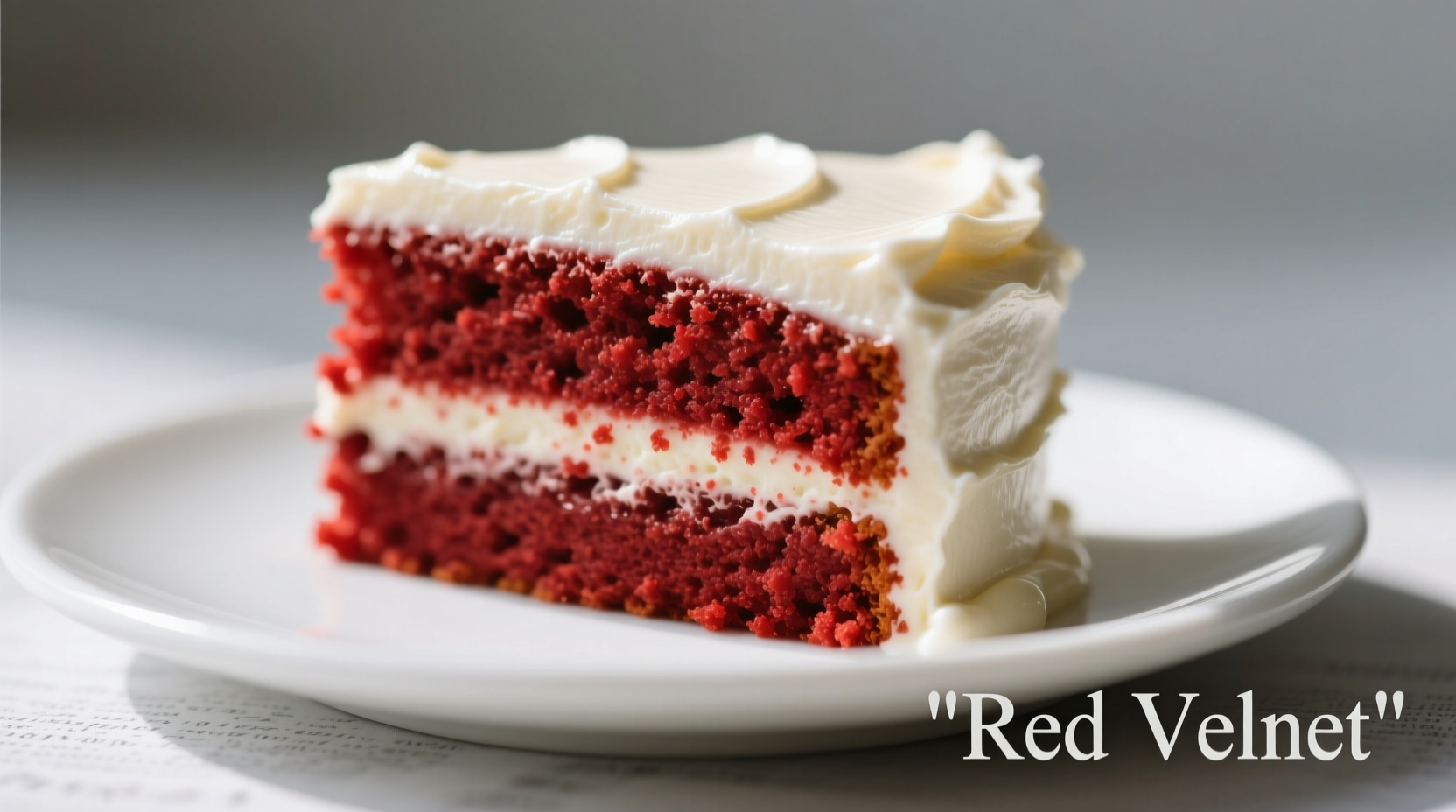 What Does Red Velvet Taste Like? Flavor Explained
That’s why it pairs so well with the thick, heavy frosting. The cake says “light and fluffy.” The frosting says “rich and decadent.” It’s a texture party with every forkful.
And let’s be honest: the red dye is the main attraction. The color is the marketing genius. It makes your brain think it’s exotic, even when it’s just a simple, humble cake in a fancy red dress.
What About the Hackers?
Some bakeries go rogue. You’ll find red velvet pancakes, donuts, even cheese boards. The flavor base is always the same: a gentle chocolate-sour duo, but the texture changes everything.
A red velvet donut? The tang gets lost in the fryer. A red velvet pancake? It becomes a breakfast “candy” that St. Patrick’s Day wishes it was. It’s a flavor that adapts.
But the king remains the classic layer cake. It’s the only dessert that asks you to ignore your senses. Your eyes see red; your tongue tastes tang; your heart feels joy. It’s a beautiful lie.
The Final Bite Verdict
So, what is red velvet supposed to taste like? None of the above and all of the above. It’s a cake that tastes like a conversation between cocoa and buttermilk, wearing a cream cheese hat.
It’s not a chocolate cake. It’s not a vanilla cake. It’s its own weird, wonderful, slightly acidic self. It’s the cake that made “earthy” and “tangy” sound like good things.
Here’s the quirky truth: the flavor is more about nostalgia than taste. For many, it reminds them of birthdays, fancy diners, or that one aunt who always brought the "red velvet" to the potluck. The taste is secondary to the feeling.
Next time you eat a slice, stop. Chew slowly. Ask yourself: “Is this chocolate? Is this butterscotch? Is this beet-vinegar magic?” You’ll never have a definitive answer. And that’s exactly why it’s so fun to eat.
Go ahead, grab a fork. The mystery is delicious.