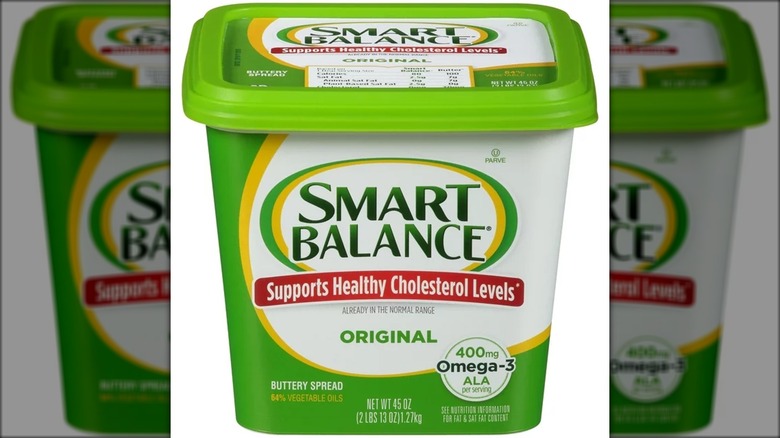
Let’s be honest: for a long time, I treated margarine like that slightly awkward friend you only invite to a party because butter was too expensive. You know the one. It sits in the fridge, looking a bit plasticky, waiting to be slathered on toast just so you don’t have to eat dry bread. But here’s the thing—the margarine game has seriously changed. And if you’re trying to keep your heart happy without giving up your morning bagel, choosing the healthiest margarine is kind of a big deal.
Think of your arteries like a beloved, creaky old door. Butter is like slathering that door with thick, sticky paint—it clogs the hinges over time. A smart margarine, on the other hand, is like a light oil spray that keeps the door swinging smoothly. We’re not talking about the hard, brick-like sticks your grandma used for pie crusts. Those were packed with trans fats, the true villains. The real world champions now are the soft, spreadable tubs made from good fats.
So, what makes one tub “healthier” than another?
Imagine you’re at a supermarket, staring at a wall of brightly colored tubs. It’s confusing, right? The first thing you want to do is flip the container over and play detective on the nutrition label. The healthiest margarine is the one that shouts, “I have zero grams of trans fat!”—and actually means it. Zero. If you see “partially hydrogenated oil” on the ingredients list, run the other way. That’s the old-school junk.
Must Read
Next, you want one that’s low in saturated fat. Butter has about 7 grams per tablespoon. The good margarines? They usually have around 1.5 to 2 grams. That’s a massive difference when you spread it on your lunch sandwich every day. Your heart doesn’t care about the pretty label; it cares about the numbers. And the most important number? Look for the most polyunsaturated and monounsaturated fats. Those are the “good guys” that actually help lower your cholesterol.
My personal favorite trick is to look for one that lists a liquid oil as the first ingredient. If it says “olive oil” or “canola oil” or “avocado oil” right at the top, you’ve found a winner. I keep a tub of olive oil-based spread in my fridge. It tastes like the Mediterranean coast, but it costs the same as the generic stuff. It’s like buying a slightly boring-looking car that runs forever versus a flashy one that breaks down.
The “Butter vs. Margarine” showdown, simplified
Let’s settle this over a cup of coffee. Butter is delicious. It’s real, it’s cream, and it makes everything taste like a hug from a farmer. But it’s also very high in saturated fat, which can crank up your LDL (“bad”) cholesterol. The healthiest margarine gives you that creamy texture without the clogging baggage. It’s like choosing a smartphone that does everything an old flip phone does, but also doesn’t die after two calls.
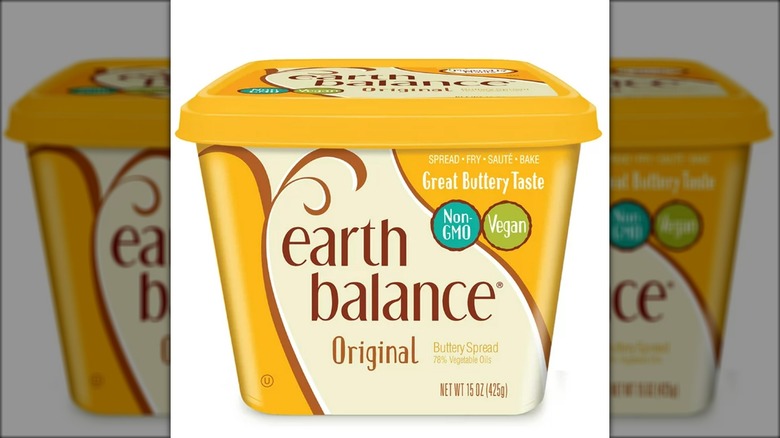 Margarine Brands Ranked From Worst To Best, According To Customers And
I remember my Uncle Pete, who swore by butter until his doctor gave him “the talk.” He switched to a light margarine with plant sterols—those are fancy compounds that block cholesterol absorption. Six months later, his cholesterol dropped 15 points. He still tells me, “I don’t miss the butter. I miss how I felt before I got scared.” Now he puts his margarine on toast, on baked potatoes, and even on steamed broccoli. He says it tastes like “victory.” I think he’s right.
Your cheat sheet for grocery store victory
Okay, you’re in the aisle. What do you grab? First, avoid anything labeled “diet” or “light” unless you really want watery spread. Instead, look for “olive oil based” or “avocado oil spread.” These have the best fatty acid profiles. Brands like Becel or Smart Balance have versions with added omega-3s and plant sterols, which are like tiny health ninjas fighting for your arteries.
Second, check the salt. If you’re watching your blood pressure, pick the unsalted version. No one licks a pat of margarine, so you won’t miss the salt anyway. And third, don’t cook with it. Most margarines have water in them, so they splatter and burn. Use butter or a pure oil when you fry an egg. Use margarine when you want to feel fancy while eating a dinner roll.
 Healthiest Margarine Sticks at Brian Clubb blog
I keep two tubs at home: a big, cheap one for baking (where I don’t taste the difference) and a small, quality olive-oil tub for every day. It feels like I’m treating myself, but I’m actually being kind to my future self. You know how good it feels to find a parking spot right in front of the store? That’s the feeling of picking the smartest tub.
A final, reassuring word
Look, nobody is saying you must throw away your butter dish. If you want real butter on a holiday croissant, go for it. Life is short. But for everyday spreading—on your toast, your sandwich, your pancake—choosing the healthiest margarine is one tiny, effortless swap that adds up. It’s like choosing to take the stairs one day a week. You barely notice the effort, but your body thanks you later.
So next time you’re at the store, don’t panic. Give a confident nod to the tub with the liquid oil on top, zero trans fats, and a soft, golden texture. Spread it on your morning bagel and smile. You’ve just made a small, delicious choice that your heart will high-five you for. Now pass the toast, please.