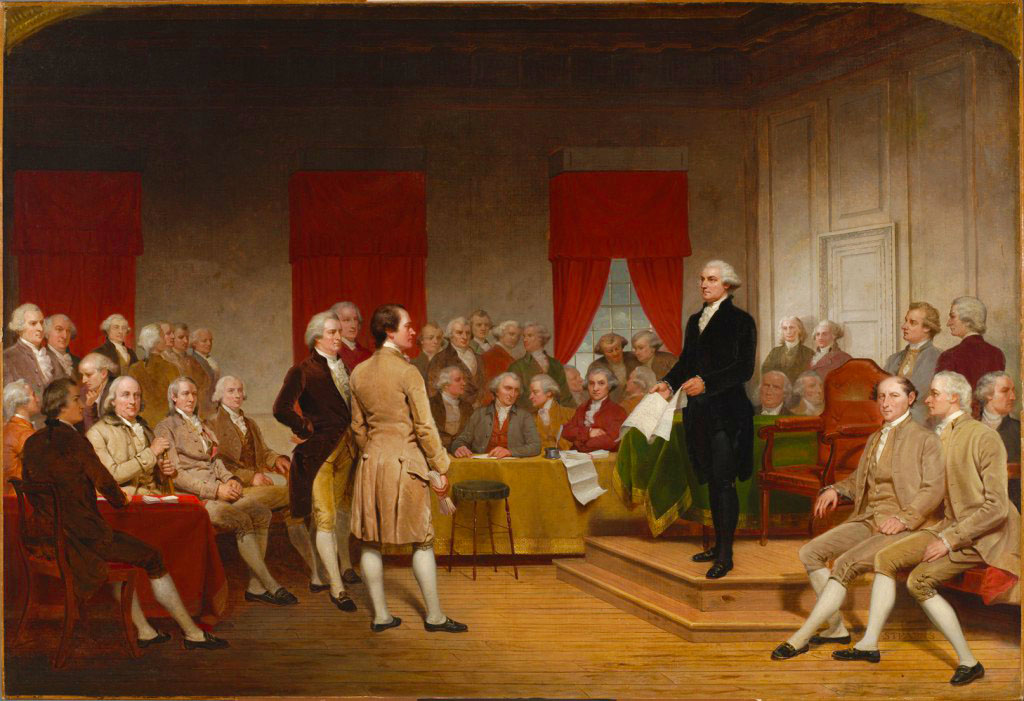
Okay, picture this: It’s a sweltering summer in 1787. You’ve just arrived in Philadelphia, and your horseless carriage is, well, a horse. You’re one of 55 delegates, and your assigned task is to fix the Articles of Confederation—the flimsy, failing first constitution of the United States.
You’re supposed to tweak it, patch it up, make it work better.
That was the original, stated purpose: a simple repair job.
The “Gentlemen’s Agreement” That Wasn’t So Gentle
Imagine showing up to a potluck and being told you can only bring salt.
That’s what the delegates were told: “Just revise the Articles.” No creating a whole new government.
But within days, they started drafting a completely different document—the Constitution we have today.
Why the sudden shift?
Because the country was falling apart. States were bickering like toddlers over trade borders, printing their own worthless money, and refusing to pay the national debt.
The “repair job” was a polite fiction; they needed a complete teardown and rebuild.
Must Read
So, What Was the Real, Original Purpose?
The true purpose was to create a stronger, working central government that could actually do its job.
The government under the Articles had zero power: no power to tax, no power to regulate commerce between states, and no power to raise an army.
It was like a referee with no whistle and no legs.
Think of it this way: The country was a bunch of rowdy teenagers (the states) living in a house. The parent (the Articles government) could only ask them to clean their rooms.
The delegates needed to give that parent actual authority—the ability to collect “allowance” (taxes) and enforce curfew (laws).
That was the desperate need behind the polite meeting.
The Hustle: From “Fixing” to “Framing”
And here’s the funny part: They did it all in secret.
No press, no public updates. They literally locked the windows of the Pennsylvania State House. (Can you imagine the uproar if a modern congress did that? Side eye.)
They knew that if the public knew they were throwing out the Articles, the whole thing would be dead on arrival.
James Madison, the “Father of the Constitution,” arrived early and had already planned the entire new system.
He wasn’t there to fix anything.
He was there to replace it all.
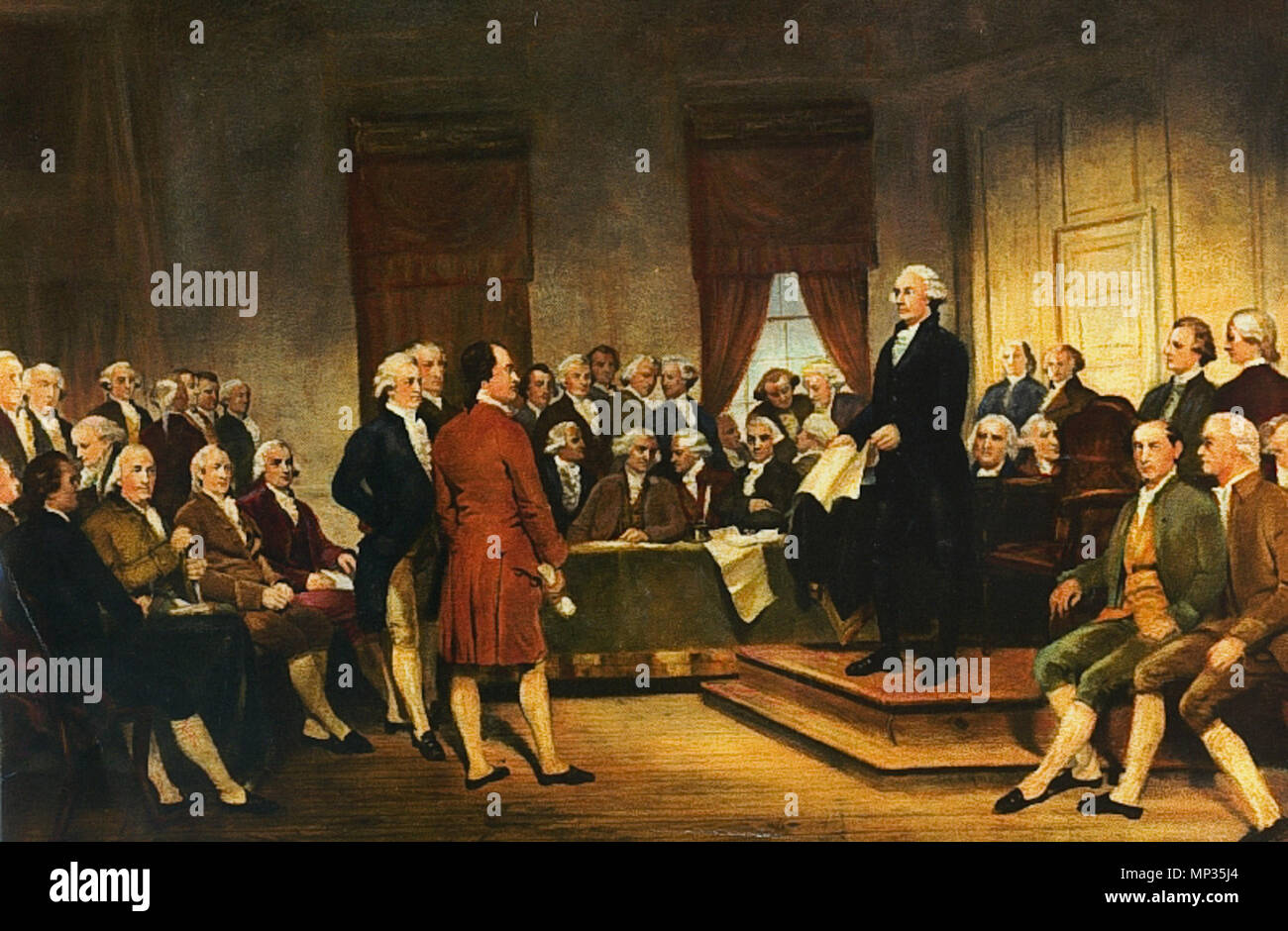 The Constitutional Convention
So the original purpose, as advertised, was to suggest “such alterations” to the Articles.
The actual purpose was to build a national republic with real muscle—a bicameral legislature, a strong executive, and a federal judiciary.
Big difference, right?
The “Why” Behind the Shifty Purpose
Why did they lie about their intentions?
Because survival was on the line. Economic chaos was brewing. Shays’ Rebellion (a farmer’s uprising in Massachusetts) had proven the government couldn’t even protect itself.
They needed a powerful national government to keep the union from splintering into a dozen tiny, squabbling nations.
They also wanted to protect property and commerce from “mob rule.”
Many founders were rich, landed gentry, and they were terrified that state legislatures—controlled by common folks—would just cancel all debts.
So the original purpose, beneath the surface, was about order over democratic chaos.
Let’s be real: They were pragmatic power-players.
They didn’t call themselves that, but the Constitution they wrote was a brilliant, sneaky coup d'état against the Articles.
And it worked.
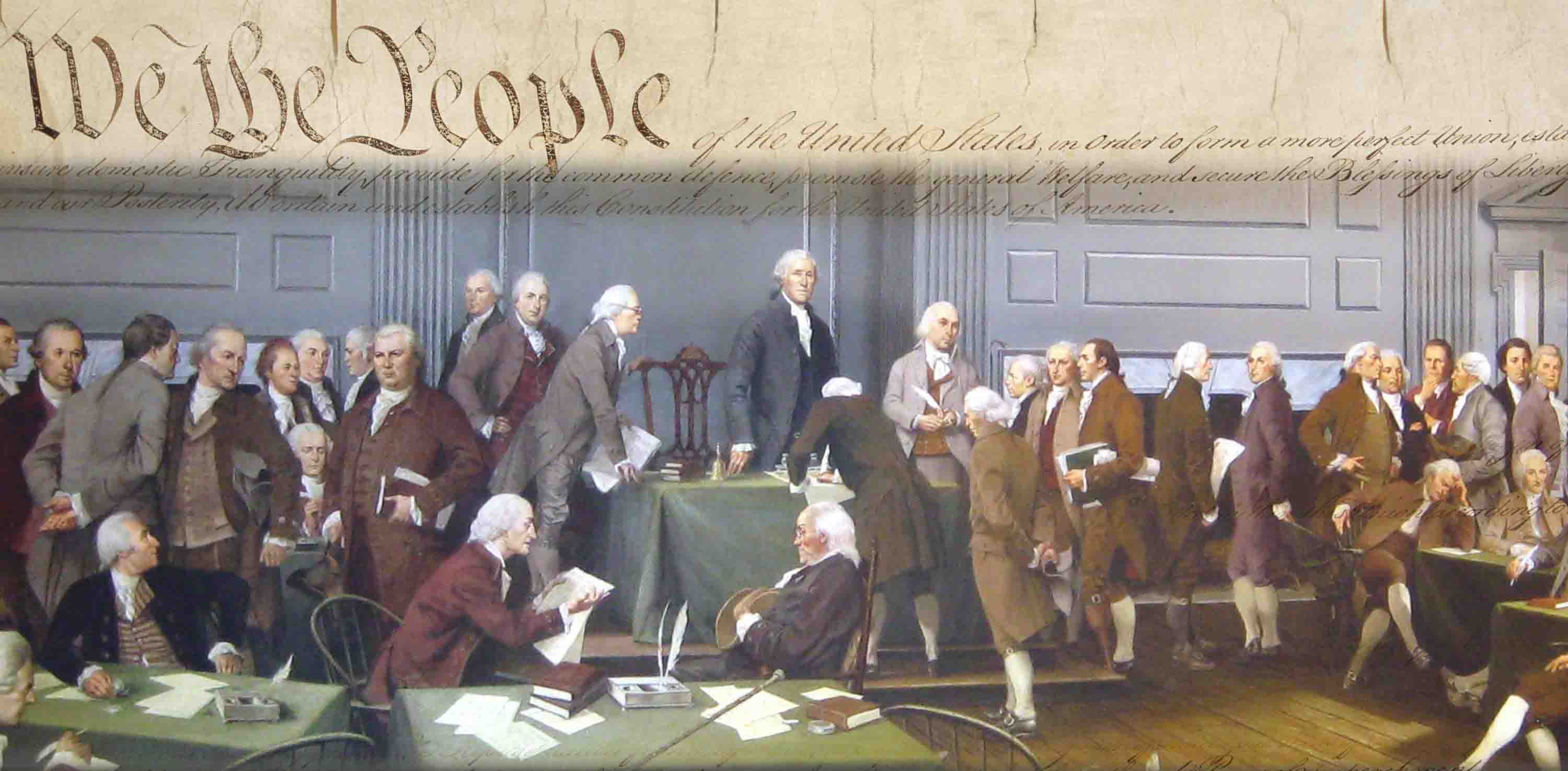 May 31, 1787 - Independence National Historical Park (U.S. National
The Ironic Kicker: The Convention “Failed” Its Original Goal
If your goal is to repair a leaking bucket, but you instead build a high-tech water filtration plant… did you fail?
Legally, the delegates broke their orders. They had no authority to create a new constitution.
But nobody stopped them.
They even wrote into the new Constitution a rule that it would take effect after only nine states ratified it—not the unanimous 13 required by the Articles.
It was a masterstroke of “ask for forgiveness, not permission.”
The original purpose was a lie, but it was a necessary, historical lie that birthed a nation.
So, What’s the Takeaway for Today?
The Constitutional Convention teaches us that the original purpose isn’t always the real purpose.
Those 55 men met to patch a tire, and they ended up redesigning the whole vehicle.
We still live under that redesigned vehicle—the Constitution—which proves that bold, slightly dishonest ambition can sometimes be exactly what a broken country needs.
Next time you hear someone say we should follow “the original intent” of the founders?
Remember: Their original intent at the Convention was to do a quick edit. They then ignored that completely.
History is messy, and that’s what makes it fascinating.