Let’s be honest: bees are the overachieving, pollen-snorting, mathematically-gifted neighbors of the insect world. They do the laundry of the planet (pollination), they love a good picnic, and they have a collective work ethic that puts your entire office to shame. But even these tiny, fuzzy workaholics have a breaking point. They have a list of smells they despise, and knowing what they are is like having a secret forcefield—or at least a way to enjoy your lemonade without a passenger in it.
First, let’s get the obvious one out of the way: smoke. Yes, the ancient trick of the beekeeper still works. To a bee, smoke is the equivalent of someone yelling “FIRE!” in a crowded theatre, except the theatre is made of wax and full of babies. However, please don’t start smoking cigars in your backyard to keep bees away. You’ll just look like a weirdo with a garden gnome problem, and the bees will just send you a passive-aggressive bill for the air pollution.
The Aromas That Make Them Buzz Off
Here’s a shocker: bees hate the smell of their own dead. It’s not just a preference; it’s a biological alarm system. If a bee gets squished, it releases an alarm pheromone that smells faintly of bananas. Literally bananas. So, if you’ve ever been chased by bees while eating a fruit salad, it wasn’t your personality—it was your lunch smelling like a funeral. Pro tip: don’t wear banana-scented sunscreen to a flower garden unless you’re auditioning for a disaster movie.
Must Read
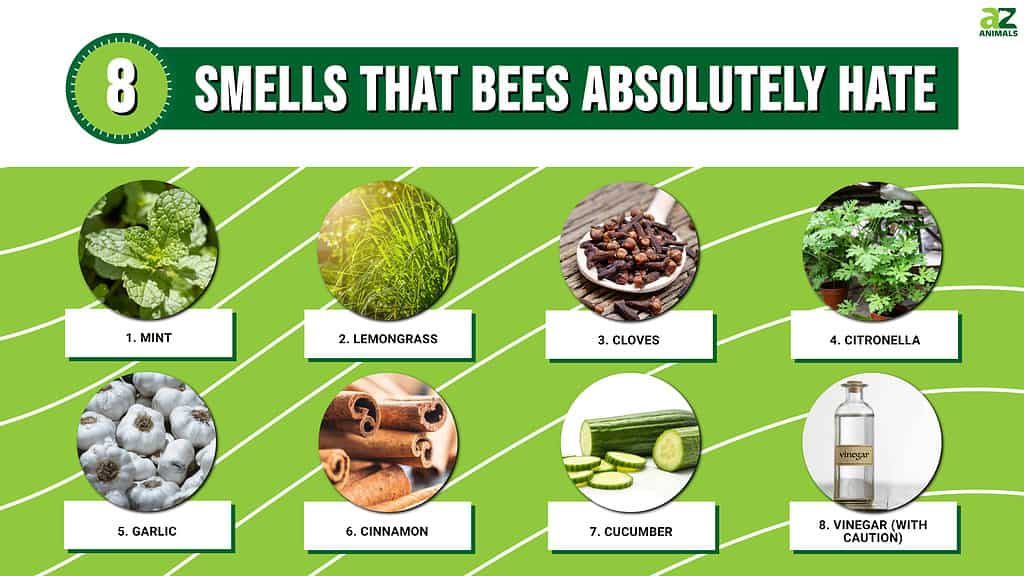
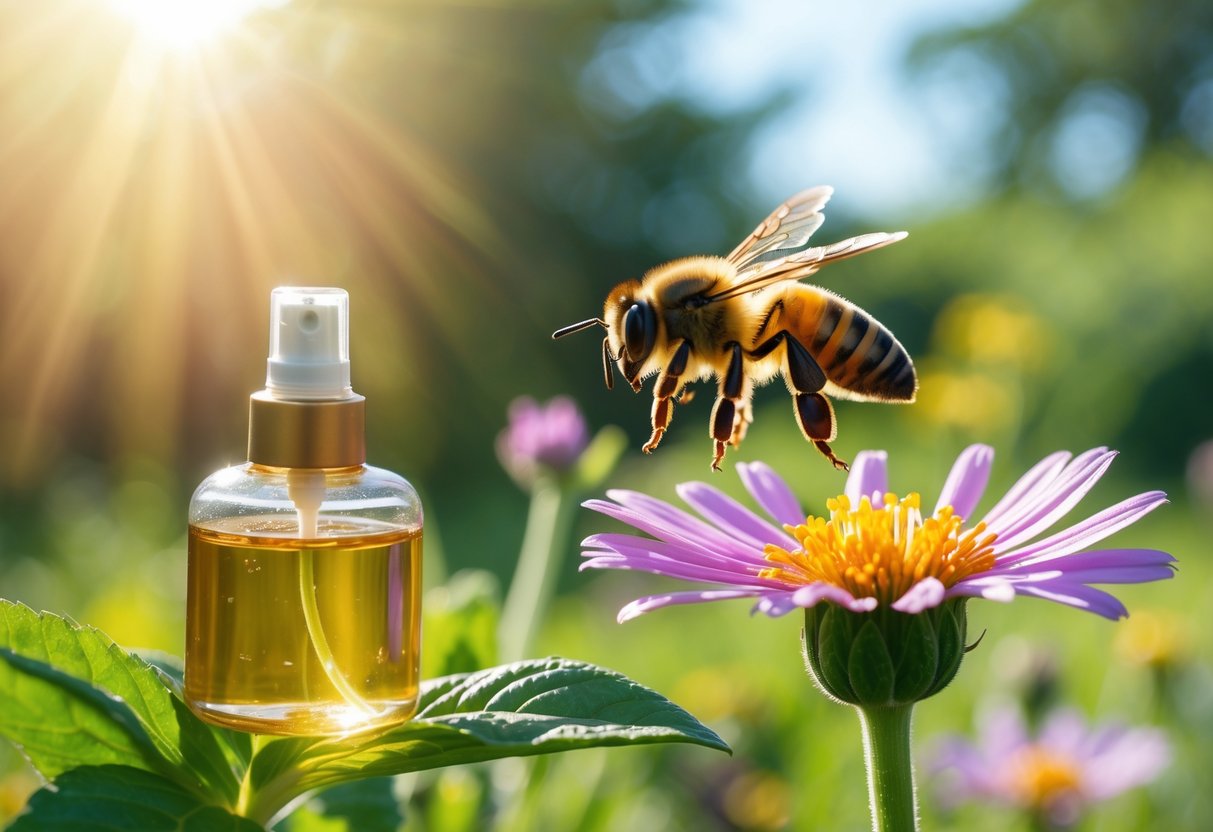
What about the classic, “just-rolled-out-of-bed-but-somehow-still-clean” vibe? That’s lavender for humans, but for bees? It’s complicated. They like the flowers, but the essential oil is a different story. High concentrations of lavender oil are like a migraine in a bottle for a bee. They get confused, disoriented, and will fly off to complain to their manager. So, go ahead and spray that lavender pillow spray—just don't be surprised if your porch turns into a no-fly zone faster than a airport with a rogue drone.
The “Pungent Pantry” of Repellents
If you want to clear a picnic table faster than a seagull sighting, break out the citrus. Bees have a strong negative reaction to the smell of lemons, limes, and oranges—especially the peels. It’s like the citrus is insulting their honey-making career. Squeeze a lemon near a beehive, and they’ll react like you just told them their hexagonal comb is “basic.” They’ll turn their fuzzy little butts around and leave you to your sour fate.
 What Do Bees Hate the Most? Friendly Tips to Keep Them Calm - Know Animals
Now, let’s talk about cinnamon. This is the ninja of bee-repelling smells. It’s not aggressive; it’s passive-aggressive. Sprinkle a little cinnamon near an old nest, and the bees will pack their tiny suitcases and move out. They find the smell deeply offensive, like a bad cologne at a party. And unlike chemical sprays, cinnamon won’t kill them. It just gives them a really good reason to find a new apartment. Just don’t use it on your morning toast while standing in a sunflower field—you’ll look like a wizard casting a “go away” spell, and it won’t work that way.
And then there’s garlic. Oh, the humble, stinky, delicious garlic. If you crush a clove of garlic and leave it near a bee’s favorite hangout, it’s like dropping a sweaty gym sock into a library. They will leave in disgust. The sulfur compounds that make garlic smell like Italian heaven to us smell like demonic hell to them. However, I strongly advise against rubbing garlic on your skin as a repellent. You will repel everything—including your friends, your date, and possibly the mailman.
 What Do Bees Hate? Scents & Smells That Repel Bees | Agile Pest Control
The Surprising Culprit: Mint
Here’s the twist in our aromatic tale. Most people think mint is a bee magnet, and they’re sort of right—bees love the flowers of peppermint and spearmint. But the essential oil? It’s a different story. Pure peppermint oil is so concentrated that it can give a bee a sensory overload. Dab a few drops on a cotton ball and place it near a bowl of fruit, and you’ll have a bee-free zone. It’s like offering a toddler a triple espresso: too much of a good thing becomes a very bad time.
But let’s not forget the almond extract mystery. Did you know that cyanide smells like almonds? Bees do. They associate the smell of bitter almonds with danger—specifically, with predation and toxic plants. So if you’re baking a marzipan cake, you might want to keep the windows closed. Otherwise, you’ll have confused bees flying away from your kitchen like it’s a crime scene, which, from their perspective, it is.
Ultimately, remember that bees are not out to get you. They’re just trying to do their job and make the planet edible. But if you need them to leave you alone, don’t reach for a flyswatter. Reach for the spice rack, a slice of lemon, or a drop of lavender oil. You’ll look brilliant, smell amazing, and the bees will give you a wide berth—right before they go back to being the most productive workers in the kingdom. And you’ll be left sitting there, holding a garlic clove, wondering if you’ve just won the war against nature without firing a shot.