
So, you’ve got a beautiful pork roast sitting in your fridge, and you’re staring at it like it’s a math problem you didn’t sign up for. We’ve all been there. The big question isn’t just “when is it done?” but “how do I not serve a hockey puck covered in apple sauce?”
Let’s get straight to the point: your pork roast needs to hit an internal temperature of 145°F (63°C), then rest for at least three minutes. Yes, that’s it. No more forcing yourself to eat shoe leather just because Grandma told you pork had to be “white as a ghost.”
The Old Rule vs. The New Rule
Remember the days when pork had to be cooked until it squeaked for mercy? That was the trichinosis era, and it turns out most of us were just being way too careful. Modern pork is leaner and safer, so 145°F is your golden ticket.
Must Read
Think of it like this: cooking pork to 145°F is like getting a good night’s sleep—it’s enough to do the job without leaving you feeling dry and exhausted. The old 160°F rule would leave your roast drier than a stand-up comedian at a funeral.
I once cooked a shoulder roast for a Sunday dinner, and my dad, a man who still checks his pork with a meat thermometer from 1985, asked, “Does it have to be that pink?” I just smiled and said, “Dad, it’s juicy, not raw.” He ate three helpings.
Where to Stick the Thermometer
Here’s the part nobody tells you: don’t just stab the roast anywhere like you’re wrestling a vampire. You want to aim for the thickest part of the meat, away from the bone. Bones conduct heat faster, so they’ll lie to you.
Imagine you’re taking the temperature of a crowd. You wouldn’t ask the guy in the front row, who’s sweating from the stage lights, how hot the room is. You’d ask someone in the middle. Same logic applies to your pork roast.
If you hit a bone, your thermometer will scream “140°F!” and you’ll pull the roast too early, leaving the middle a little too… fresh. And we don’t want a surprise pink center when you’re serving it to your in-laws.
The Resting Game
This is the part where patience becomes your best friend. Once your roast hits 145°F, take it out of the oven. Let it rest on a cutting board for at least 10 to 15 minutes, tented loosely with foil. The temperature will climb another 5 to 10 degrees as it sits.
This is called “carryover cooking,” and it’s like the roast’s last little nap before the big show. If you slice it immediately, all those beautiful juices will run out onto the cutting board, leaving your meat as sad as a deflated parade balloon.
I learned this the hard way when I carved a pork loin straight out of the oven for a dinner party. The cutting board looked like a crime scene of deliciousness, and my guests ended up with dry slices that tasted like regret. Don’t be me.
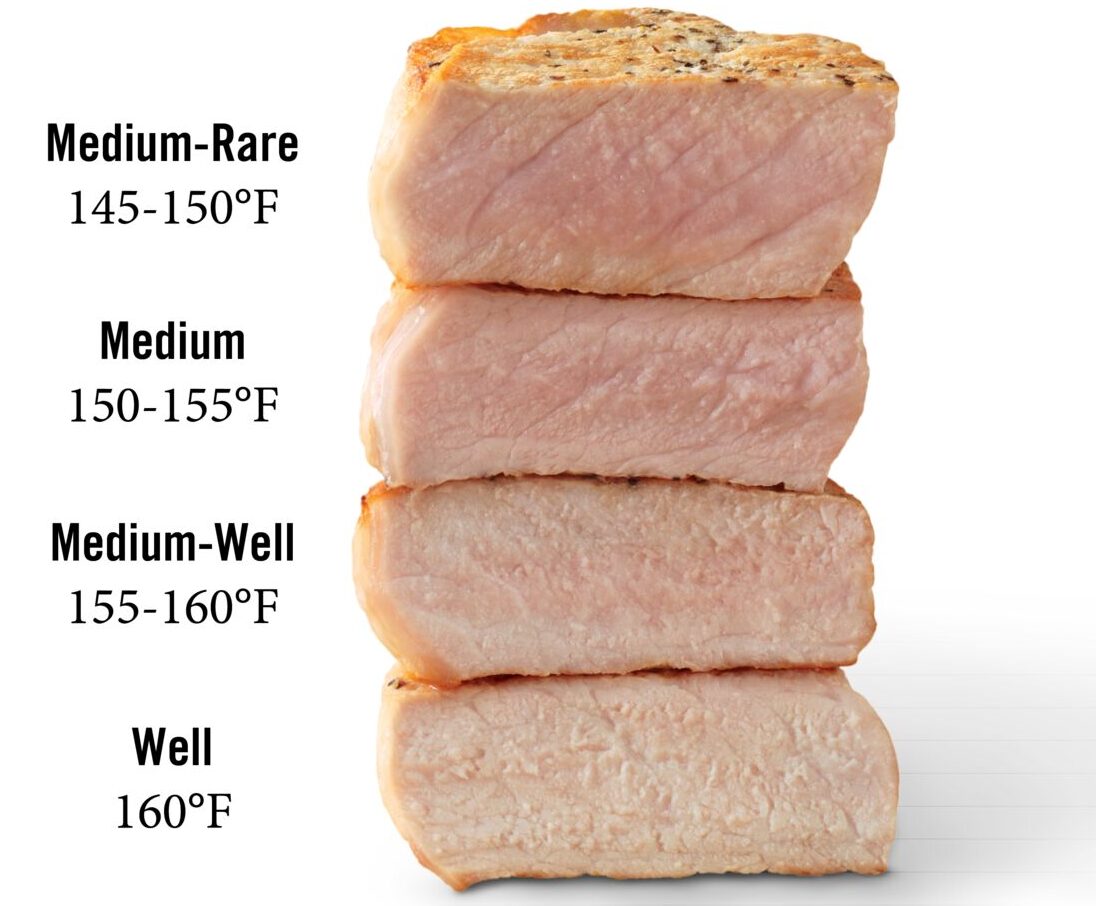 What is the Internal Temperature of a Pork Roast for Safe and Delicious
But What About Different Cuts?
If you’re roasting a loin or a tenderloin, 145°F is perfect. These are lean cuts, so they dry out faster than a bad joke at a wedding. You want a little blush in the center—pork is allowed to be slightly pink now.
For a shoulder or butt (which is actually the shoulder, don’t ask), you want a higher temp: 195°F to 205°F. That sounds crazy, but shoulder is full of connective tissue that needs to break down into gelatin. You’re not cooking meat; you’re transforming it into pulled pork nirvana.
Think of shoulder as the lazy couch potato of pork cuts. It needs low and slow heat to get off the couch and turn into something glorious. If you pull it at 145°F, you’ll be chewing on a porky rubber band.
Tools of the Trade
Please, for the love of all things crispy, invest in a decent instant-read thermometer. They cost like $15, and they’ll save you from a lifetime of dry pork tragedies. Guessing with a fork or using the “wiggle test” is like navigating a highway with your eyes closed.
I used to poke my roasts and whisper, “Hmm, feels a bit springy.” That’s not science; that’s a prayer. A thermometer is the difference between a confident host and a sweaty mess.
And if you buy a wireless Bluetooth one? You can sit on the couch, scrolling your phone, while the app tells you, “Hey, your dinner is ready.” It’s like having a tiny sous chef who never complains.
When in Doubt, Temp It Out
Here’s the ultimate truth: pork roast is not a religion; it’s dinner. If you accidentally cook it to 150°F, you’re still in the clear. The world won’t end. Your family will still pretend to love it.
The real enemy isn’t undercooked pork—it’s the boring, dry, overdone pork that makes everyone reach for the water glass. So, 145°F for tenderloin and loin, 200°F for shoulder, and always, always let it rest.
Now go forth, roast with confidence, and remember: your pork should be pinker than a flamingo at a sunset party. Your guests will thank you, and you’ll finally be the hero of Sunday dinner.