Okay, let’s be honest: cooking chicken can feel like a high-stakes game of chicken roulette. You want it juicy, but you’re terrified of serving up a salmonella surprise. So, what temp is chicken, really? Let’s end the mystery, once and for all.
The Magic Number (It’s Not a Guessing Game)
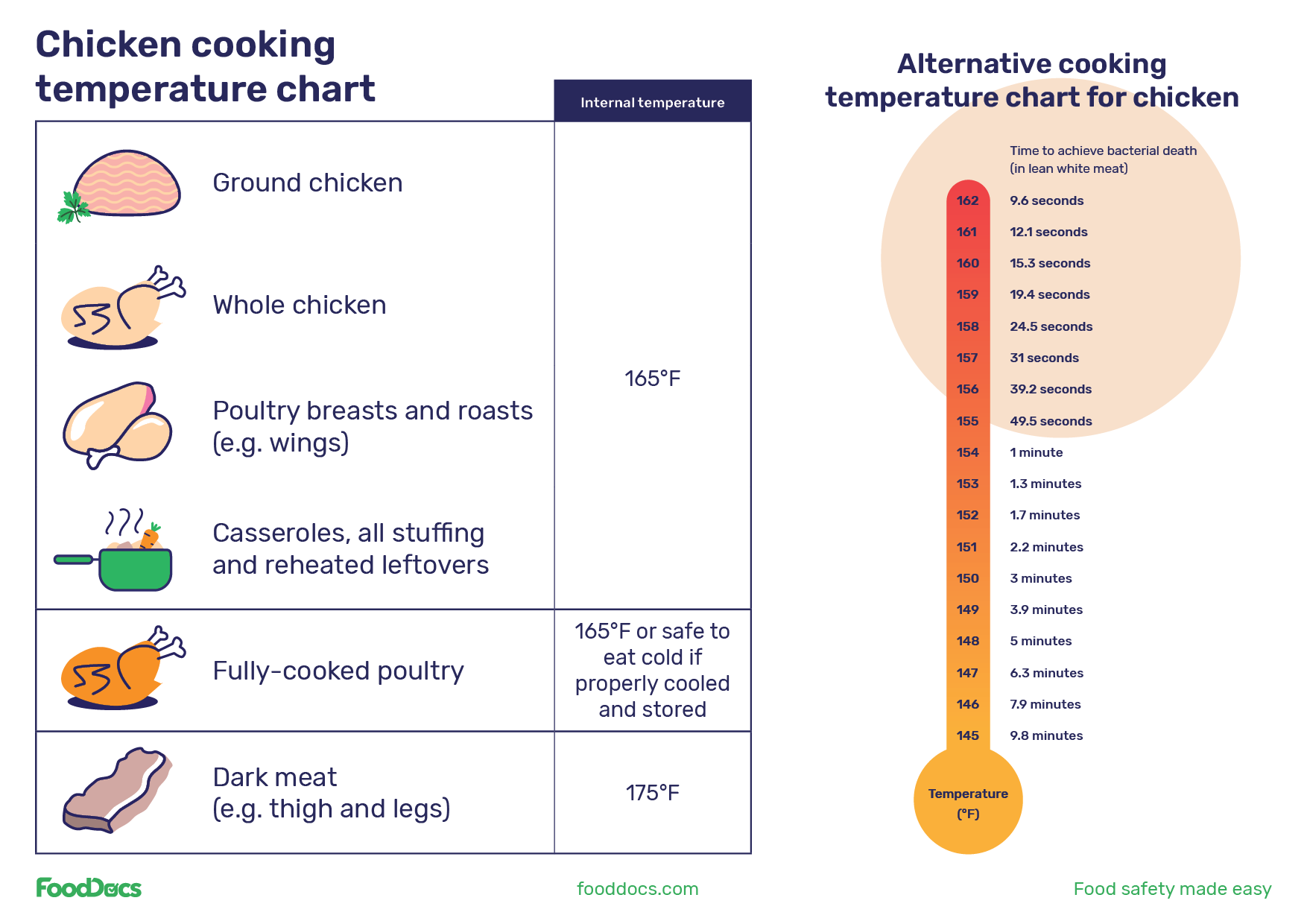
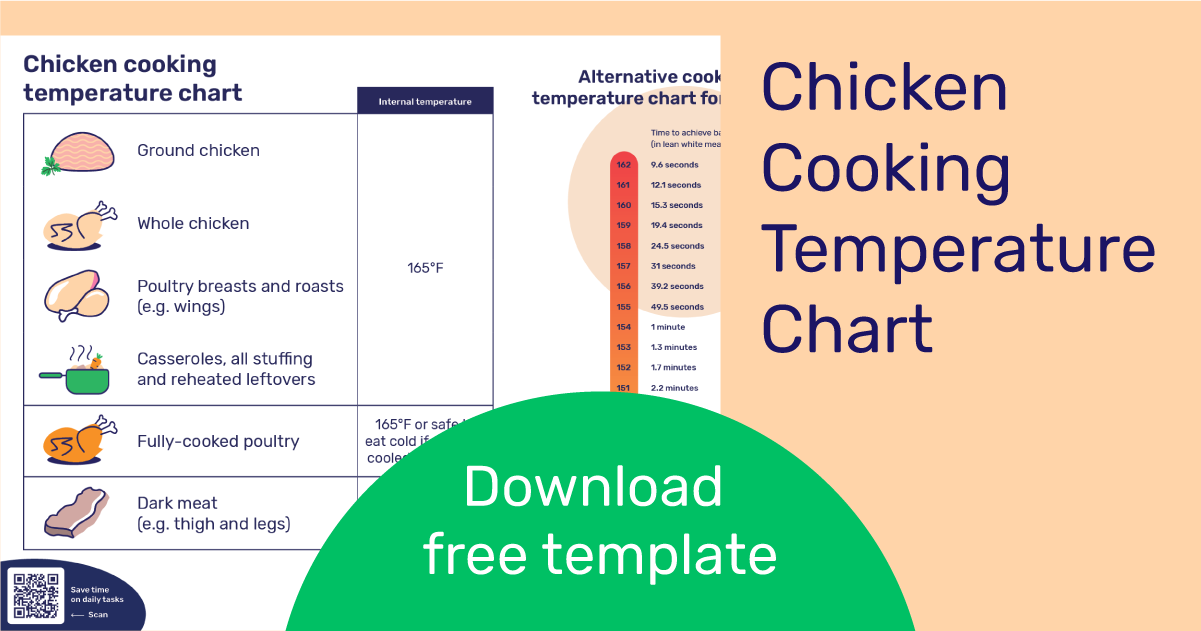
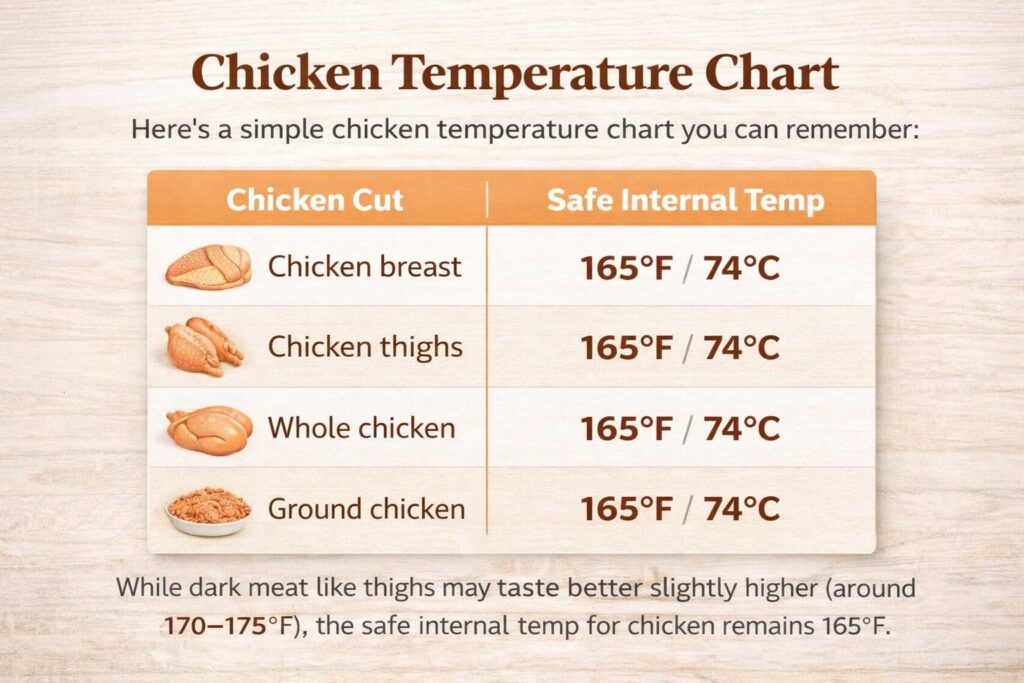
The U.S. Department of Agriculture (USDA) has spoken, and they’re not messing around. The official, non-negotiable, safety-net temperature for all chicken is 165°F (74°C) measured in the thickest part of the meat. Don’t even think about eyeballing it—your eyes are liars.
Why 165°F? That’s the temperature where salmonella and campylobacter drop dead faster than a bad joke at a comedy club. Think of it as the chicken’s “I’m safe to hug” temperature.
Must Read
But Wait—What About Different Cuts?
Breasts: The Lean, Mean, Overcook Machine
Chicken breasts are the divas of the poultry world. They’re lean and dry out if you blink too long. I strongly recommend cooking them to 165°F, but pull them off the heat at 160°F (they’ll climb those last five degrees while resting).
Pro tip: Brine them first or pound them flat so they cook evenly. Nobody wants a chicken breast that feels like a hockey puck.
Thighs and Legs: The Juicy Underdogs
Dark meat is your forgiving friend. It has more fat, so it stays moist even if you accidentally cook it to 175°F or 180°F. Yes, you read that right—you can actually overcook thighs and they’ll still taste amazing.
For the best texture, aim for 170°F to 175°F. The extra heat melts the collagen into silky goodness. It’s like a spa day for your dinner.
Whole Chicken: The Trust Fall
Roasting a whole chicken is a culinary trust fall. You’re betting the thigh and breast will play nice together. Stick your thermometer into the thickest part of the thigh (avoiding the bone) and look for 165°F.
But the breast might be ready first! Don’t panic. Let the bird rest for 10-15 minutes before carving—it’s not being lazy, it’s letting the juices redistribute. Science, folks!
 Poultry Temperature Chart Sous Vide Chicken Guide | Sous Vide Chicken,
The Tools That Save Your Bacon (and Chicken)
You must own a reliable instant-read thermometer. Forget the fancy ones—a $10 thermocouple from Amazon works better than your grandma’s “poke test.” The poke test is how you end up eating sad, dry chicken.
Insert the thermometer into the thickest part of the meat, not touching bone. Bone conducts heat, so it’ll lie to you. Chicken is the one dinner guest you can trust, but only if you check its temp properly.
Common Chicken Lies You’ve Probably Believed
Lie #1: “If the juices run clear, it’s done.” False! Pink juices can mean it’s undercooked—or it’s just myoglobin (a protein) doing its thing. Use the thermometer, you rebel.
Lie #2: “You can tell by the color.” Nope. Cooked chicken can still look slightly pink near the bone and be perfectly safe. Only 165°F tells the truth.
Lie #3: “Restaurant chicken is always better.” Yeah, because they own a $200 Thermapen and don’t forget to use it. Be that pro.
The “Oops, I Overcooked It” Rescue Plan
So you zoned out and your chicken hit 185°F. Don’t throw it away! Shred it and drench it in a good sauce (buffalo, barbecue, or a creamy mushroom sauce). Dry chicken loves a disguise.
 Chicken Internal Temp: The Secret to Safe, Perfect Chicken - Foodiosity
Or chop it up and toss it into a soup, salad, or casserole. Breadcrumbs and cheese are also excellent accomplices. You’re not a failure; you’re a problem solver.
The Juicy Secret: Resting Is Non-Negotiable
Once your chicken hits that magical 165°F, stop cooking it immediately. Let it rest for 5-10 minutes on a cutting board, loosely tented with foil. This isn’t a time-out; it’s a flavor party.
During resting, the juices reabsorb into the meat instead of running all over your plate like a bad cry. Ever seen a sad, dry chicken breast? That’s what happens when you skip the rest. Be kind to your chicken.
A Quick Temperature Cheat Sheet (Print This, Maybe)
Whole chicken – 165°F in the thigh. Breasts – 165°F (pull at 160°F). Thighs & drumsticks – 175°F to 180°F. Wings – 165°F, but they’re small, so check quickly.
Ground chicken – cook to 165°F, just like beef patties. Don’t get cute with “pink ground chicken”—that’s a health hazard. Ground means more surface area for germs, so be strict.
The Uplifting Conclusion (You’ve Got This!)
Now you know the temp, the tools, and the tricks. Next time you’re about to cook chicken, you can take a deep breath, grab your trusty thermometer, and feel like a kitchen superhero. You’ve got the power of 165°F in your hands.
So go forth and cook that bird with confidence. And if you mess up? Remember, even the best chefs have served a rubbery chicken once. You’re here, you’re learning, and you’re about to make some deliciously safe memories. Poultry has never been so optimistic.